




The 10 Most Effective Bomber Planes Used by Every Country During World War II

FOTO:FORTEPAN / National Archives, CC BY-SA 3.0, via Wikimedia Commons
During World War II, air power reshaped how wars were fought. Bomber planes carried out missions that could change the fate of battles — from bombing enemy factories to striking far-away cities. Among the many aircraft built in that time, a handful proved especially effective, used by major countries and flown in many theaters of war. Here are ten of the most important bombers from various nations, and what made them stand out.
Boeing B-29 Superfortress — United States

The B-29 was one of the most advanced heavy bombers of the war. It could fly very long distances, carry heavy bomb loads, and operate at high altitude. This made it ideal for missions over Japan and other remote targets.
It also featured pressurized cabins and multiple defensive guns — innovations that improved crew comfort and protection. Its long range and power helped bring the war’s final air campaigns to a decisive point.
De Havilland D.H. 98 Mosquito — Great Britain
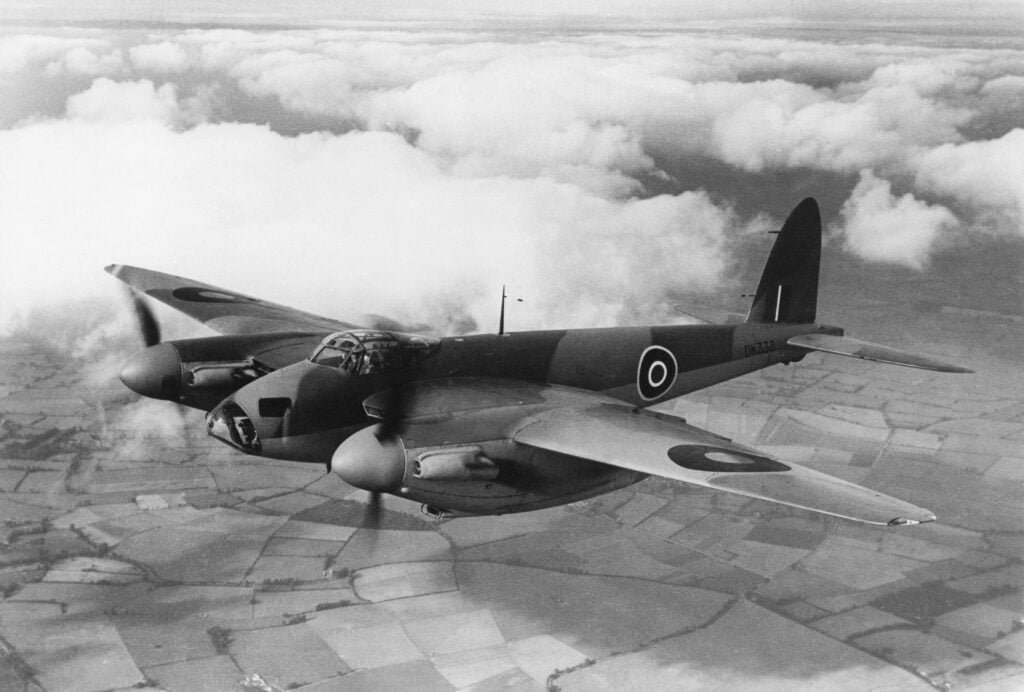
The Mosquito was a light bomber made mostly of wood, helping it stay lighter and faster. That speed let it outrun many enemy fighters.
Because of its versatility, it served as a bomber, night fighter, and reconnaissance plane. Its agility and reliability made it relied upon for daring raids and precision strikes behind enemy lines.
Mitsubishi G4M — Japan
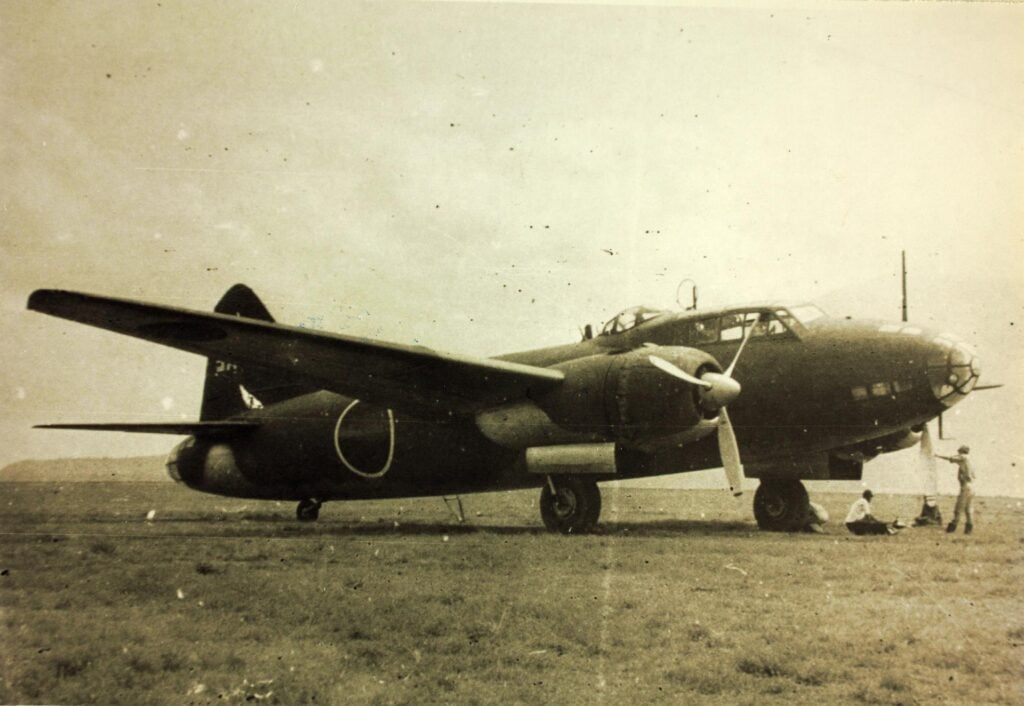
Used by Japan’s navy air service, the G4M was a twin-engine medium bomber with long range and good performance for its time. It served across many battles in the Pacific War.
However, to keep it fast and light, it lacked strong structural protection: its fuel tanks were not self-sealing, and the crew had minimal armor. These weaknesses made it dangerous once the enemy began targeting bombers aggressively — leading to heavy losses over time.
Heinkel He 111 — Germany
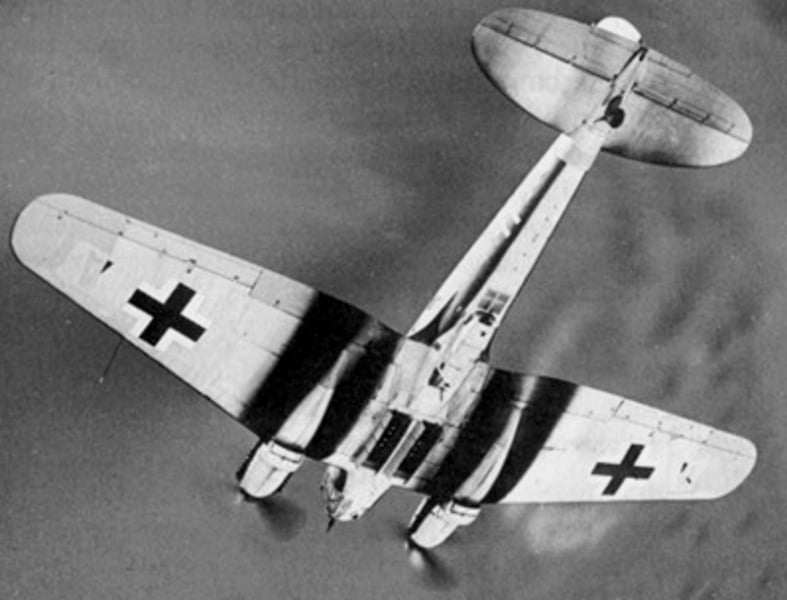
The He 111 was a backbone for Germany’s bombing efforts early in the war. As a twin-engine medium bomber, it carried out many raids across Europe before heavier designs took over.
While effective early on, its speed and defensive armament became insufficient as enemy fighters improved. That exposed limitations in long campaigns where air defense was strong.
Miles M.39B Libellula — Great Britain
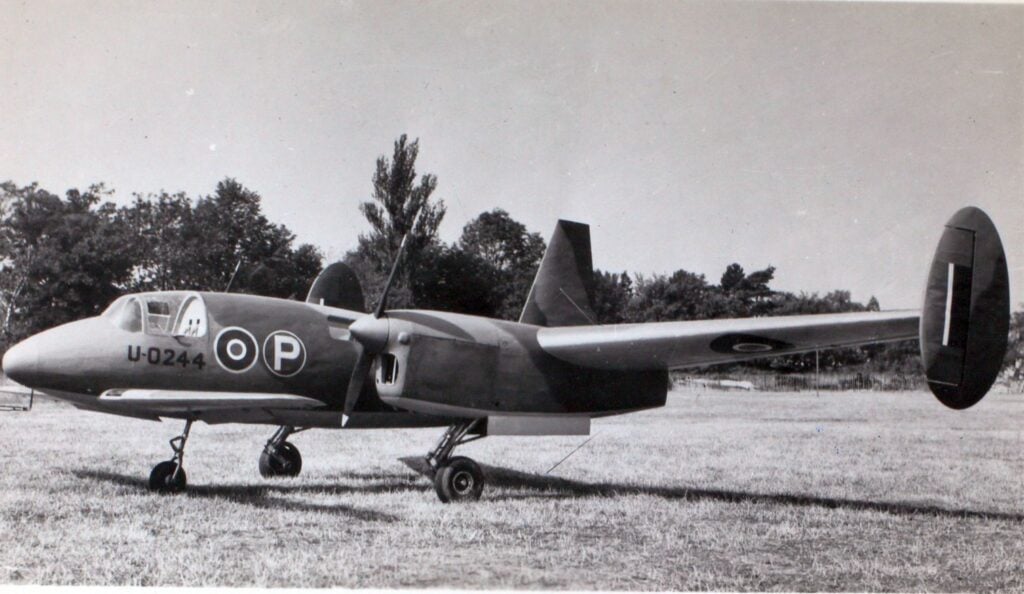
The Libellula was an experimental design and less widely deployed than other bombers. Its unusual design was meant to test future ideas for bomber development. History though shows that not every concept became practical under wartime pressures.
Ilyushin Il-2 Shturmovik — Soviet Union
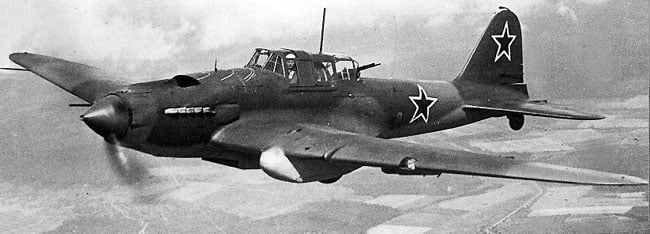
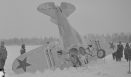
Though often described as a ground-attack aircraft rather than a pure bomber, the Il-2 played a key role on the Eastern Front. It supported ground troops, destroyed enemy armor and fortifications, and helped Soviet advances — showing that “bomber” roles could be flexible depending on battlefield needs.
Consolidated B-24 Liberator — United States
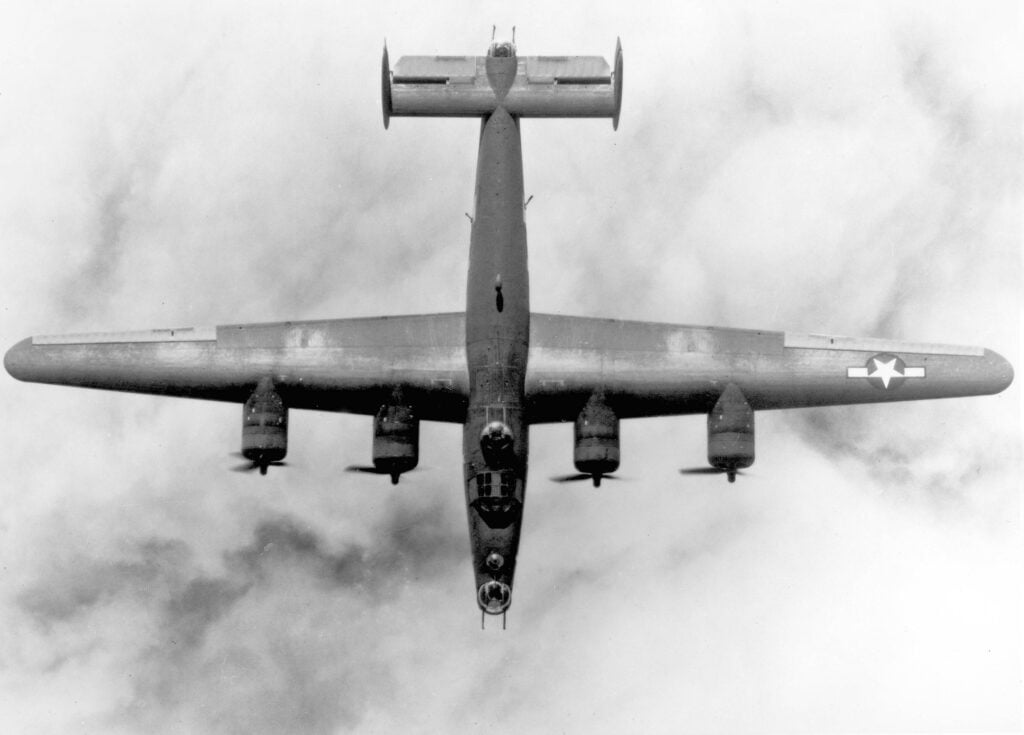
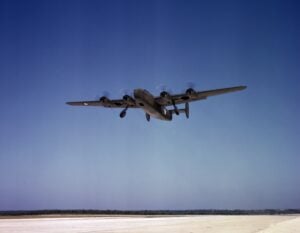
The B-24 was one of the most produced heavy bombers in WWII. Its long range and large bomb capacity made it useful in many theaters, especially where targets were far or supply lines stretched over oceans.
It complemented other bombers and helped sustain sustained bombing campaigns, convoy escorts, and maritime patrols — a workhorse of Allied air power.
Avro 683 Lancaster — Great Britain
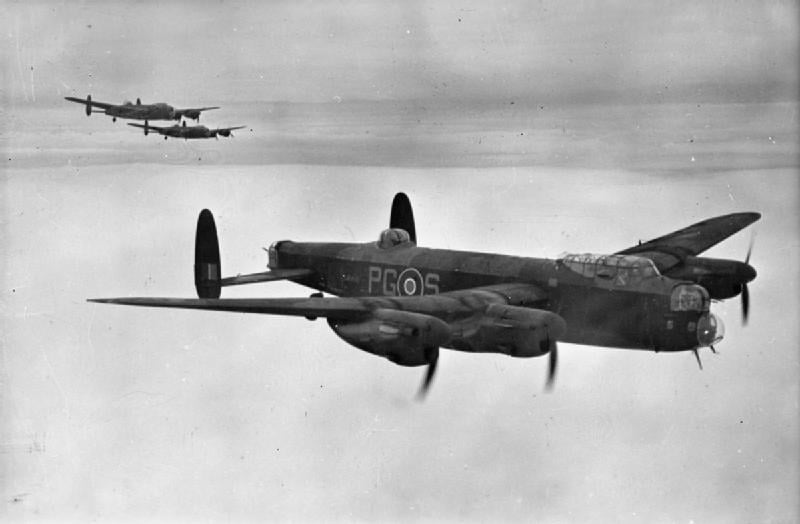
After 1942, the Lancaster became Britain’s key heavy bomber. Its large bomb bay allowed it to carry substantial payloads, including special bombs designed to strike major targets.
It served in night raids, strategic bombing of enemy infrastructure, and missions deep over enemy territory — becoming the backbone of the RAF’s bombing efforts in later years.
Junkers Ju 87 — Germany

The Ju 87, often called “Stuka,” was a dive bomber that delivered bombs with precision on ground and sea targets. Early in the war it helped dominate ground assaults and supported rapid advances.
As the war progressed and enemy air defenses improved, its slow speed and light defenses made it vulnerable. That shift shows how advancing technology and tactics changed the value of certain bombers over time.
Boeing B-17 Flying Fortress — United States
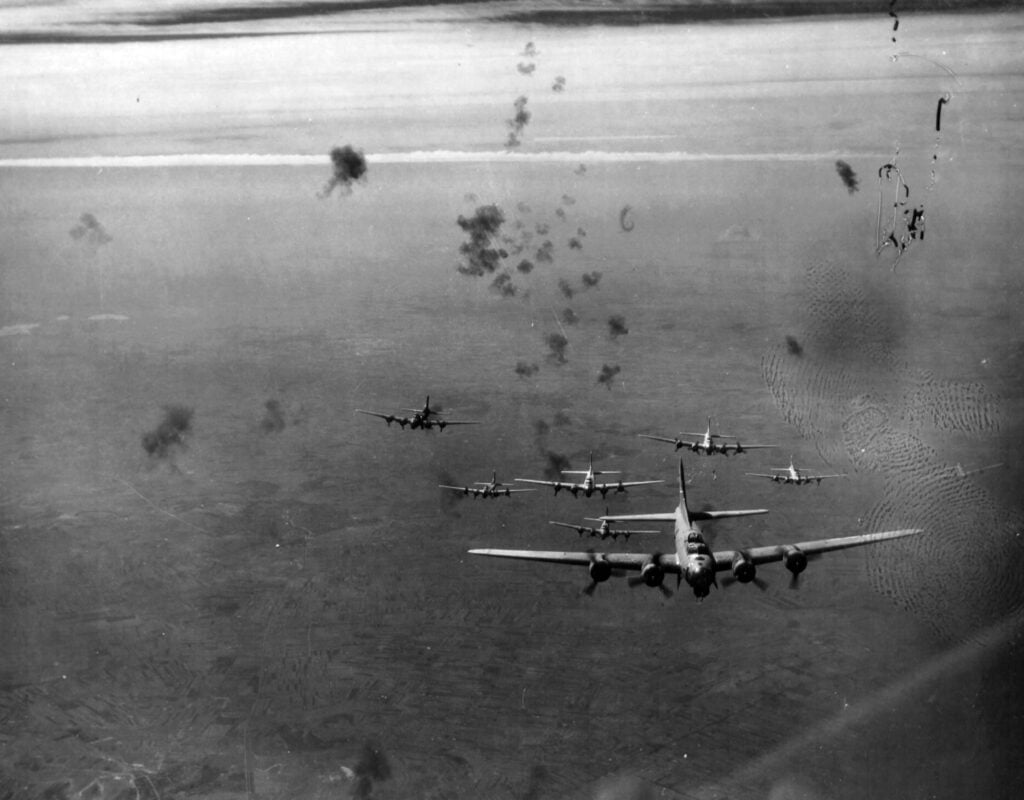
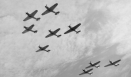
The B-17 became a symbol of Allied strategic bombing in Europe. Its sturdy build and defensive guns gave crews decent chances of returning even after heavy enemy attack.
It flew many missions over occupied territory, targeting factories, rail lines, and infrastructure. Alongside other bombers, it formed long bombing streams that tried to strike at enemy capacity to wage war.


.jpg)


.jpg)


