

How Malta Became the Unsinkable Island and Survived 3,000 Attacks in WWII
via Lost Atlantis / YouTube
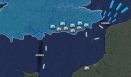
In the middle of the Mediterranean sits a small island that became one of the most important battlegrounds of the war. Malta was a supply choke point, a vital airfield, and the last obstacle blocking German and Italian forces from controlling the sea. Between 1940 and 1942, it endured more than 3,000 air attacks, making it one of the most bombed places on Earth. Yet its story is also about the people who lived below those skies. It is the story of pilots arriving with grim expectations and civilians struggling through hunger, danger, and long nights underground.
A Fortress of Rock and Resolve
For flying officer Jack Riley, the posting to Malta felt like a sentence rather than an assignment. The Spitfire he trusted in England now had to defend an island where pilots rarely survived more than a few weeks. His commanders spoke softly when mentioning Malta, knowing the risks he faced. As Jack packed his few belongings, he understood that he was heading into a place where the air itself seemed to carry danger.
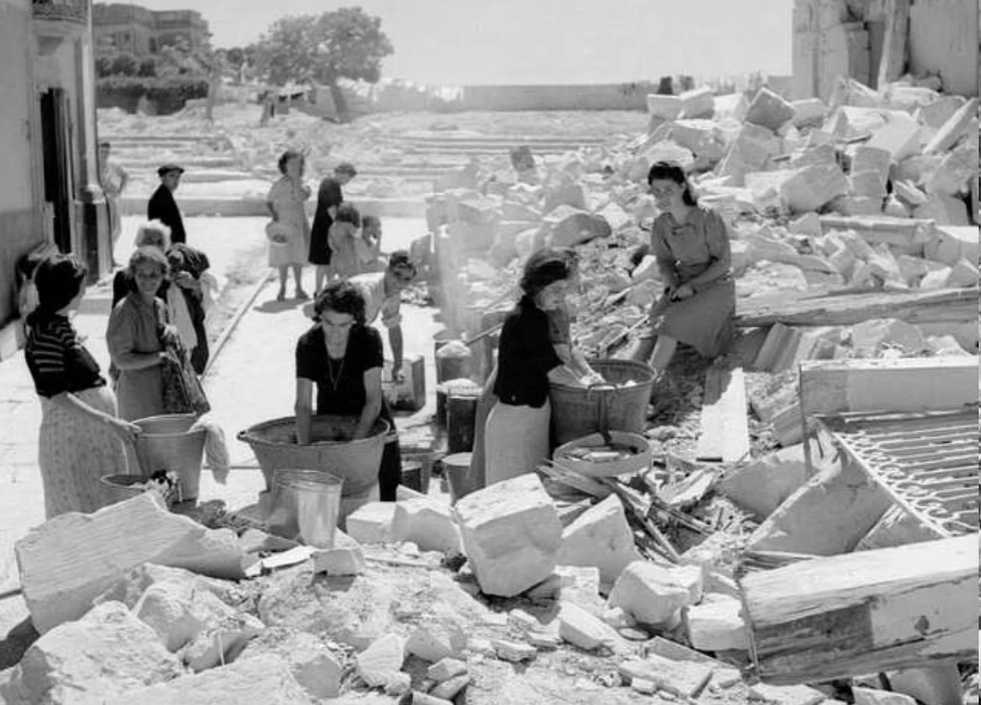
On the ground, Maria Borg and her two children had already been living with that danger for years. Their home no longer felt safe, and each day was shaped by the wail of air-raid sirens. The family slept in a cramped shelter carved into limestone, sharing the small space with neighbors and strangers. Food was scarce, and every meal felt uncertain. Even simple routines disappeared as the island sank deeper into the siege.
Fire from the Skies
When German air units shifted their focus to Malta in early 1942, the air battles intensified. A small group of Hurricane pilots faced overwhelming numbers, often outmatched five to one. They scrambled again and again, fighting as long as their ammunition lasted. Many did not return. The skies above the island filled with smoke trails and falling debris, marking the cost of each day’s struggle.
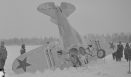
Below, the people endured their own ordeal. Historic sites crumbled under the bombardment, and white stone dust hung over Valletta. Maria learned to recognize the sounds of distant guns and aircraft, guiding her children through each raid. A downed enemy plane brought brief relief, a sign that the defenders were still holding on. But the strain never eased. Every night felt longer than the last.
A Lifeline from the Sea
Jack’s arrival changed the rhythm of the fight. He launched from the deck of the USS Wasp in a risky carrier operation, flying a Spitfire built for land. Once over Malta, he found that his aircraft could finally match the German fighters. For the first time, defenders gained the upper hand. His first encounter began high above Grand Harbor, where he struck an enemy fighter and watched it fall. The air battles were intense, but the tide was shifting.
People on the ground noticed the difference. When the sleek Spitfires appeared overhead, hope spread through the shelters. The new fighters climbed faster, turned tighter, and challenged the raids that had shattered Malta for months. Each engine roar felt like a promise that help had arrived.
The Convoy That Saved an Island
By August 1942, the air war had improved, but the population was close to starvation. Fuel and food were nearly gone. Everything depended on a single convoy: Operation Pedestal. Fourteen merchant ships left Gibraltar with a massive escort, carrying the supplies that meant survival. Jack and the other pilots flew constant missions to protect the convoy, pushing their limits day after day.
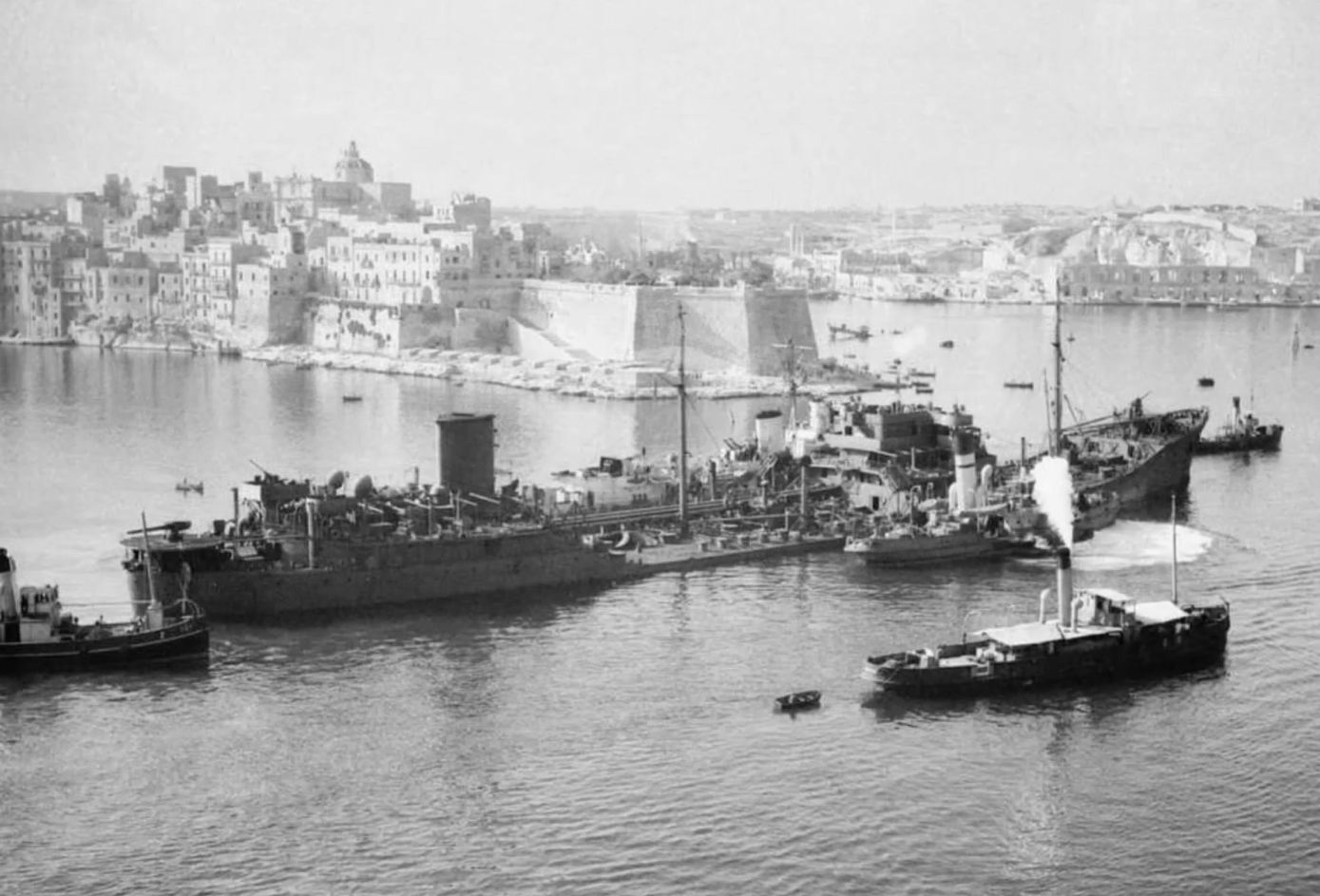
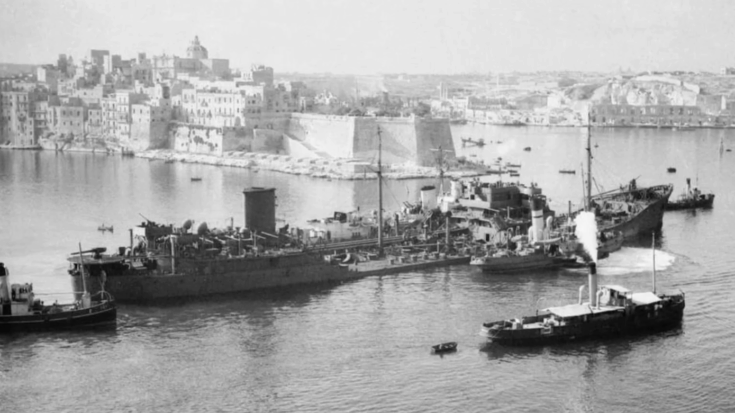
Losses were heavy. Ships burned on the horizon, and radio updates carried grim news. But on August 13, surviving vessels began to appear. The battered tanker SS Ohio, held afloat by two destroyers, entered Grand Harbor to crowds in tears. Among them was Maria, who saw it as the moment her family might live.
An Island That Refused to Fall
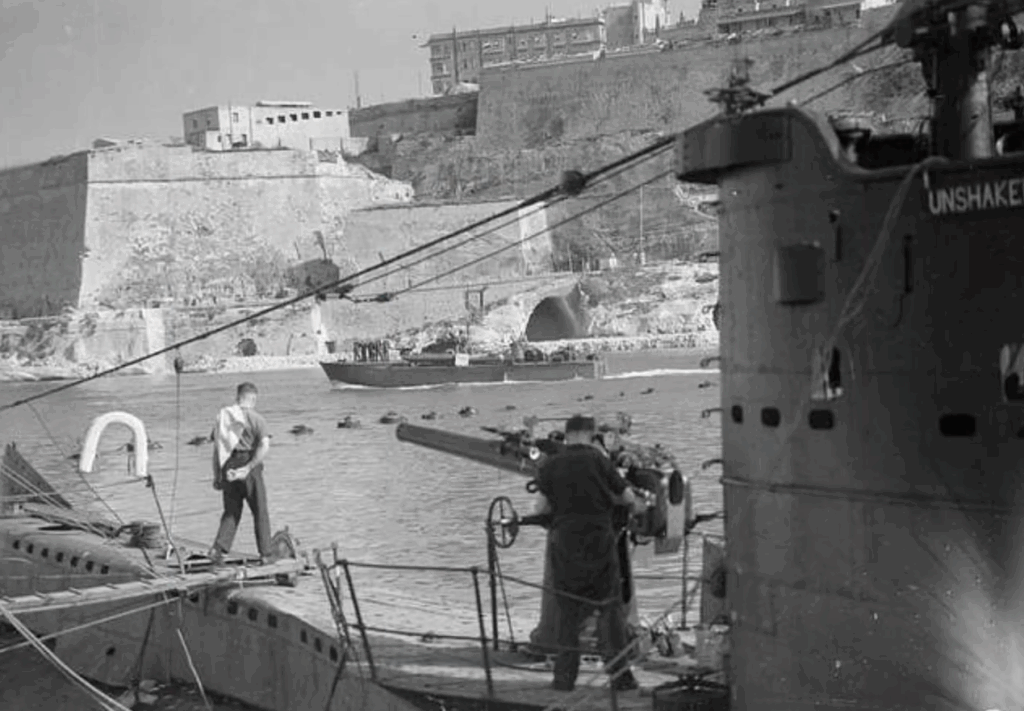
Jack landed after exhausting days in the air, thinking of the pilots who did not return. The supplies brought by the convoy allowed the defenders to keep flying and the submarines to strike supply lines across the sea. Days later, Maria received a small ration of flour and kerosene, enough to keep her family going. For her, it meant hope. In recognition of the island’s endurance, the George Cross was awarded to Malta, honoring its people and their resolve.