



Watch P-63 Kingcobra Lost in 1945 Recovered From a Lake in Russia’s Kamchatka Region After Nearly Eighty Years
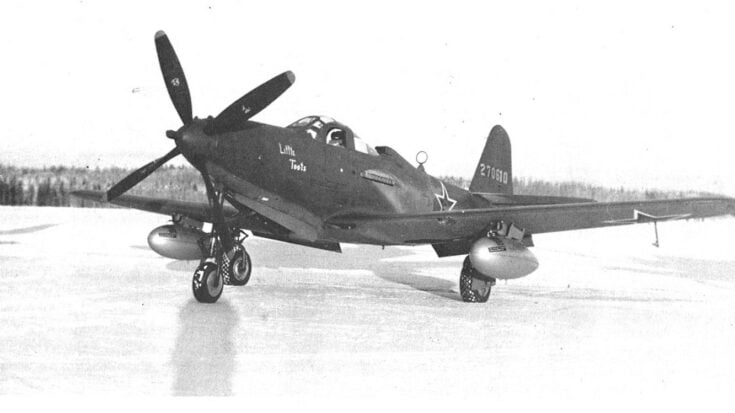
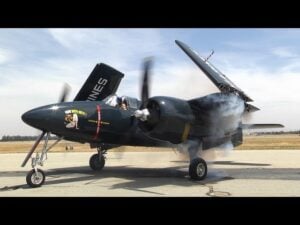
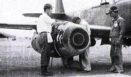
United States Air Force, Public domain, via Wikimedia Commons
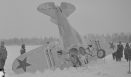
A fighter plane from the Second World War has surfaced after decades beneath cold water. A Bell P-63 Kingcobra — supplied to the Soviet Union under the U.S. Lend-Lease program — was recently lifted from a lake in Russia’s Kamchatka peninsula. The aircraft had crashed in 1945 during a training flight, and its discovery offers a rare look at wartime history lying forgotten beneath the waves.
Discovery at the Bottom of the Lake
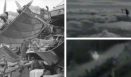
Local lore had long whispered of a plane resting in the frozen waters of Lake Vitaminnoye. In 2023, an expedition from the Russian Geographical Society and Russia’s Ministry of Defense began underwater searches using sonar. They soon located the wreck of the Kingcobra. Divers found the cockpit preserved in silt, while the tail section had broken off.
Once confirmed, an operation began to recover the remains. In 2025, the plane’s tail, along with major structural parts, was lifted. A transport plane carried the wreck from Petropavlovsk-Kamchatsky to Moscow for restoration and display in a museum.
The Kingcobra’s Path from War to the Depths
The Kingcobra was part of the thousands of American aircraft sent to the Soviet Union in 1944 and 1945 under Lend-Lease, to aid the fight against Japan in the Far East. Its final flight reportedly took place in October 1945 during a training mission flown by Lieutenant Zinedin Mustafayev. The plane crashed into the lake, and the pilot never returned — no remains were found in the wreckage.
For nearly eight decades, the Kingcobra lay undisturbed on the lake bed. Cold water and silt helped preserve parts of the fuselage and cockpit, making this recovery significant. Such finds are rare — only a few Kingcobra airframes still exist, and most are static museum exhibits.
What the Recovery Means for History
This recovered Kingcobra links the past with the present. Its preservation shows the harsh conditions under which aircraft once flew and the risk those pilots faced. It also highlights the path of wartime cooperation — a U.S.-made plane, flown by Soviet airmen, lost in remote Kamchatka, and now returning to public view decades later.
For historians and aviation enthusiasts, the recovery offers a chance to document a rare piece of war history. It provides insight into how aircraft were used under Lend-Lease, how they ended up far from their country of origin, and how time beneath water can turn a tool of war into a silent monument.
Keep going for the video below: