



The US Fighter Well-Liked in France
YouTube / AllthingsWW2
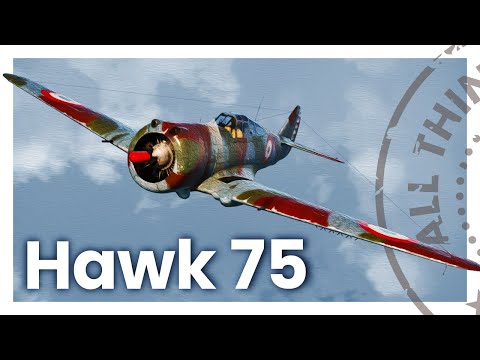
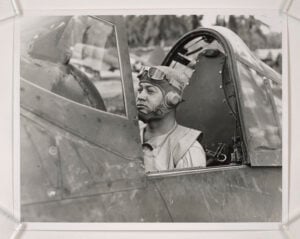
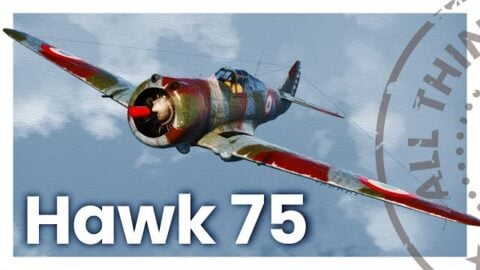
The Curtiss Hawk 75 stands as one of America’s earliest steps into the age of modern fighter aviation. This sleek, fast, and forward-thinking design helped bridge the gap between the biplane era and the deadly machines of World War II.
Although it saw only limited combat under U.S. markings, the Hawk 75 quickly proved its worth overseas. In French service, it became a frontline workhorse during the desperate early battles of 1940, earning a reputation for reliability and surprising agility. Later, in Finnish hands, it continued to shine in harsh northern skies, carving out an impressive combat record against formidable Soviet opponents.
Limited Service at Home
Despite its qualities, the U.S. Army Air Corps never fully embraced the Hawk 75. Rapid technological progress meant that aircraft designs became outdated in just a few years, and by the time the Hawk 75 entered production, the USAAC was already eyeing faster, more powerful fighters.
As a result, the aircraft saw only light stateside service, mostly in training and testing roles. Yet this limited American use turned out to be fortunate for several nations abroad because it meant Curtiss could export the fighter to allies who needed it far more urgently.
A French Favorite in 1940
France was among the first to recognize the Hawk 75’s potential. With war looming over Europe, the French Air Force urgently required modern fighters to replace its aging fleet. The Hawk 75 arrived as a timely and capable solution. French pilots appreciated its excellent visibility, stable handling, and tight turning radius qualities, especially valuable during low-altitude dogfights, where many early battles were fought. Although not as fast as the German Bf 109, the Hawk 75 had a reputation for being forgiving, tough, and maneuverable.
During the Battle of France in 1940, the aircraft quickly distinguished itself. Hawk 75 units achieved a strong kill record relative to the limited number of aircraft available. Many German pilots later commented on the surprising skill of their opponents, unaware that part of that success stemmed from the Hawk’s superior handling in close combat. For many French squadrons, it became the backbone of their fighter defense during those desperate weeks.
A Second Life in Finland
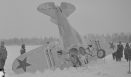
After France fell, many Hawk 75s were captured or relocated, and several were resold to Finland. There, the aircraft faced an entirely different environment: icy airfields, extreme winters, and relentless Soviet air attacks. Yet the Hawk 75 adapted impressively. Finnish ground crews praised its ruggedness, and pilots quickly realized they had acquired a highly maneuverable and reliable fighter.
The Hawk 75 went on to achieve extraordinary success in the hands of Finns. Pilots flying the type consistently scored high victory ratios against Soviet aircraft, even against newer designs. Its gentle stall characteristics and responsive controls made it ideal for dogfighting in the tight, swirling engagements common on the Eastern Front. Some Finnish pilots even considered it one of the best fighters they had ever flown.
A Quiet but Lasting Legacy
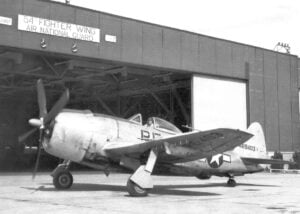
Though overshadowed today by the flashier and more famous fighters that followed, such as the P-40 Warhawk, the P-47 Thunderbolt, and the P-51 Mustang, the Hawk 75 carved out its own niche in aviation history. It was never the fastest or the most heavily armed aircraft of its era, but it was dependable, agile, and well-liked by nearly everyone who flew it.
From defending the skies over France to dueling Soviet aircraft in Finland, the Hawk 75 proved itself time and again. Its story is one of an aircraft that never achieved stardom but earned the respect of pilots through its steady and reliable performance. In the end, it became the American fighter that made its greatest mark not at home, but abroad, trusted, admired, and remembered by those who flew it into combat.