Outmatched by Speed, Not Skill: How U.S. Fighters Took On the First WWII Jets
WW2 Sky Lords / YouTube
When Propellers Met Jets: The Day Skill Outflew Speed
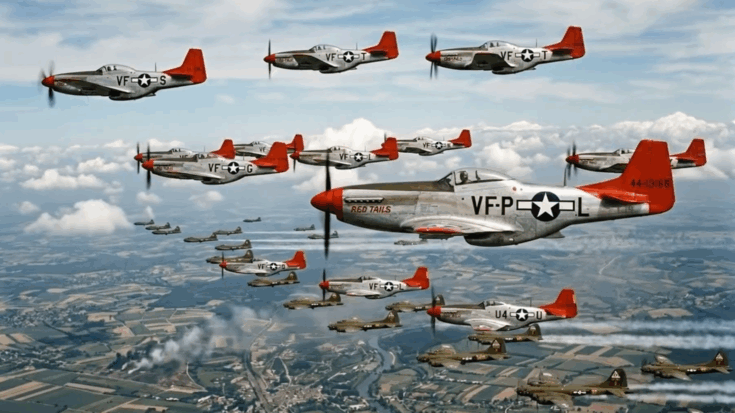
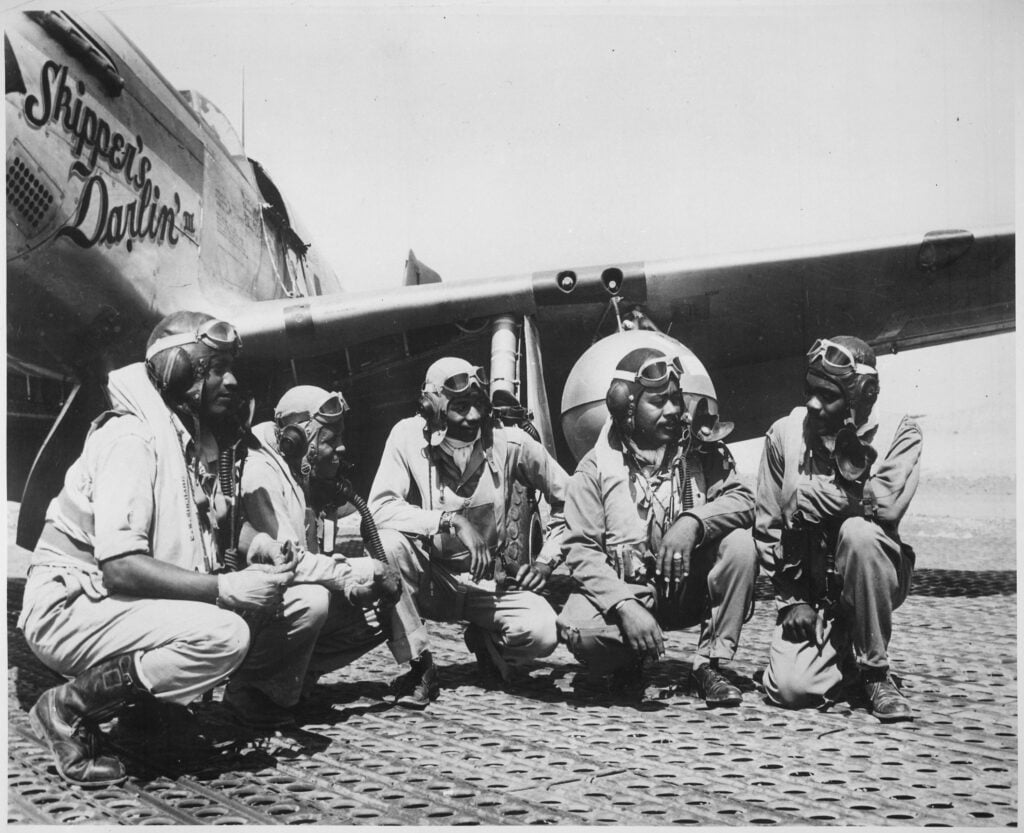
High above Berlin on March 24, 1945, American bombers pressed forward through thin, freezing air toward heavily defended targets. The formation, made up largely of B-17 Flying Fortresses, stretched across the sky in long, pale trails. Around them, P-51 Mustang fighters maintained careful positions, guarding the bombers from interception. Among those pilots was First Lieutenant Roscoe Brown, flying with the 332nd Fighter Group, a unit known for strict discipline and close escort tactics.
Inside the bombers, conditions were harsh. Temperatures dropped far below freezing, oxygen masks fogged, and the constant vibration of engines wore down both body and mind. Each aircraft carried a crew of ten, relying on heavy defensive armament to survive. Yet on this mission, the threat approaching them was unlike the propeller-driven fighters they had faced before.
The Arrival of a New Kind of Enemy
German forces had begun deploying a new aircraft, the Messerschmitt Me 262, the world’s first operational jet fighter. Powered by twin turbojet engines, it could exceed 500 miles per hour, far faster than any Allied escort fighter. Armed with powerful 30 mm cannons, it could destroy a bomber with only a few hits. On paper, the advantage seemed overwhelming.
As the jets climbed to intercept, their speed allowed them to slice through the bomber formation with little warning. American crews saw flashes of motion—fast, unfamiliar shapes crossing their path before disappearing again. Traditional defensive tactics struggled to keep up. A Mustang pilot had only seconds to react before a jet passed out of range.
Limits of Speed and the Human Factor
Despite its advanced design, the Me 262 had weaknesses. Its engines were fragile and required careful handling. Rapid throttle changes could cause failures, and the aircraft needed wide turns at lower speeds to reposition for another attack. These limits created brief moments of vulnerability, though they were easy to miss in the chaos of combat.
Roscoe Brown and other pilots began to notice a pattern. After each high-speed pass, the jets would arc into long turns to set up again. In those moments, their speed dropped, and their path became predictable. Brown understood that chasing directly would fail. Instead, he chose a different approach, using positioning and timing rather than raw speed.
Turning Geometry into a Weapon
Dropping his external fuel tanks to gain speed, Brown pushed his aircraft into a dive. Rather than follow the jet, he cut across its turning path, reducing the distance between them. This maneuver relied on simple geometry: while the jet flew a wide curve, the Mustang took a shorter line. For a brief instant, the faster aircraft was no longer out of reach.
As the distance closed, Brown fired a controlled burst from his .50-caliber machine guns. The rounds struck the jet’s engine area, damaging it and forcing it out of control. Other pilots, including Charles Brantley and Earl Lane, applied similar tactics. Each recognized that success depended on anticipating movement rather than reacting to it.
Holding the Line Under Pressure
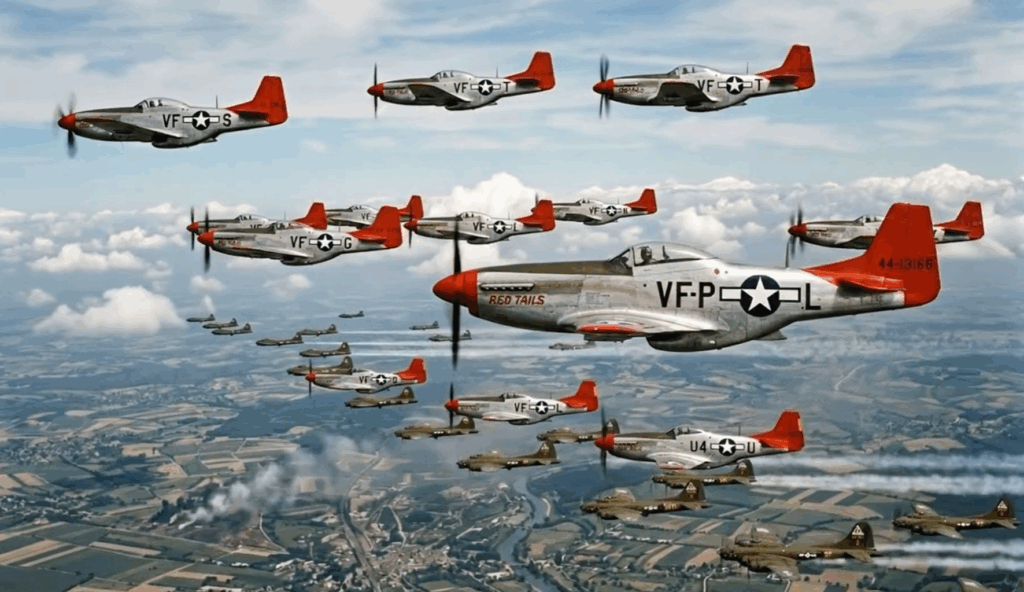
The sky became a layered battle space, with bombers maintaining formation and fighters weaving between them. German pilots continued their high-speed attacks, but the presence of disciplined escorts forced them into repeated turns. Each turn increased the risk of interception. Within a short period, three jets were brought down by Mustang pilots.
The bombers continued toward their objective, striking industrial targets that were critical to the German war effort. Despite losses, the formation held together. The escort fighters returned to their protective positions, maintaining order as the immediate threat passed.
Aftermath and Historical Significance
When the aircraft landed back at their base in Italy, there was little celebration. Pilots moved directly into debriefings, while ground crews inspected aircraft for damage. Records from that day show that several pilots received Distinguished Flying Crosses for their actions during the mission.
The encounter demonstrated an important reality of air combat in the final months of the war. While new technology could shift the balance, it did not guarantee success. The Me 262 represented a major step forward in aviation, but its advantages depended on how it was used. Against well-trained pilots who understood its limits, those advantages could be reduced.
The events of March 24 illustrated that experience, discipline, and quick thinking could offset even a significant technical gap.