

The Fearless Squadron the Navy Never Wanted But Couldn’t Do Without
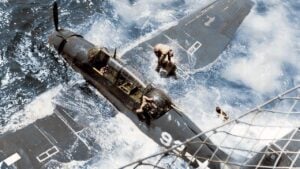
USN, Public domain, via Wikimedia Commons
A Squadron Few Expected to Succeed
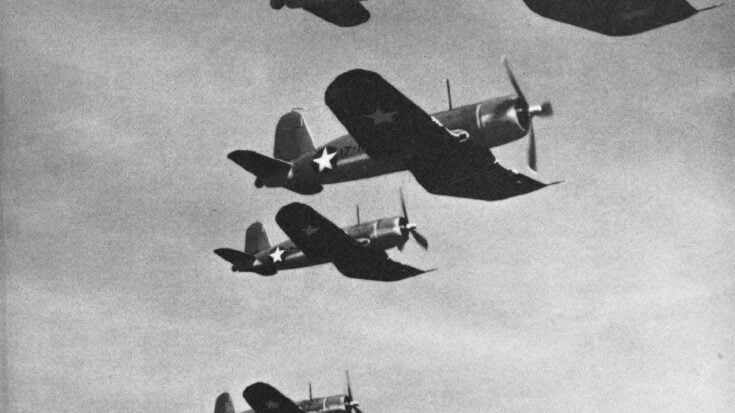
In early 1943, Lieutenant Commander John T. Blackburn stood at a turning point in his career. His previous command had ended badly after a crash at sea, leaving doubts about his future. Yet the Navy handed him a new assignment: lead a fighter squadron equipped with the difficult Vought F4U Corsair. Many officers viewed the aircraft as unreliable, especially for carrier use. Blackburn saw something different. He believed both the machine and the men assigned to it could be shaped into an effective unit.
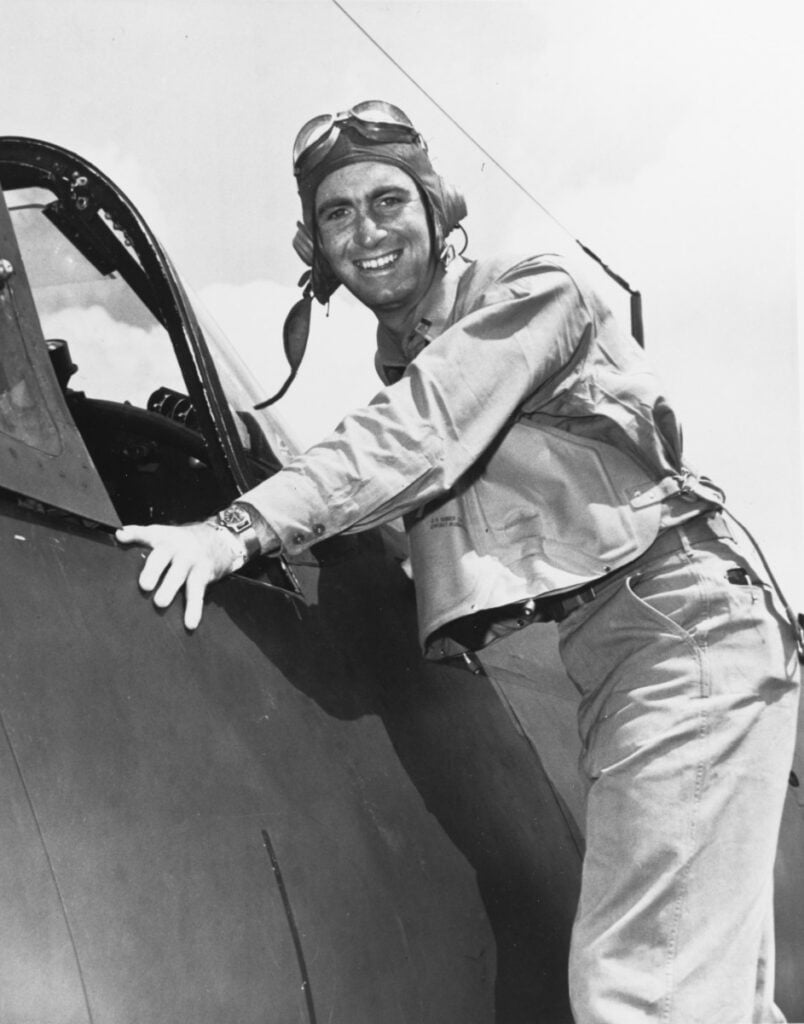
The pilots who filled Fighter Squadron 17 did not have perfect records. Some had clashed with superiors, while others had struggled in earlier assignments. Blackburn chose them anyway. He valued their independence and willingness to take risks. Among them was Ira “Ike” Kepford, a young aviator once dismissed for poor discipline. Under Blackburn’s command, these men formed a tight group that learned to trust one another, even as their reputation for bending rules followed them.
Learning to Master the Corsair
The Corsair itself required patience. Its powerful engine and unique wing design made it fast and heavily armed, but also difficult to handle during takeoff and landing. Training was demanding, and early accidents reinforced its reputation as dangerous. Blackburn insisted on discipline in the air, even if his pilots remained unconventional on the ground. Over time, repeated practice allowed them to overcome the aircraft’s weaknesses and use its strengths.
Despite proving they could operate from carriers, naval planners made a practical decision. To simplify logistics, they chose to rely mainly on another fighter type. As a result, Blackburn’s squadron was removed from its carrier before seeing combat and sent instead to land bases in the South Pacific. It was an unexpected shift, but one that would shape their role in the war.
War Over the Solomon Islands
By late 1943, the squadron arrived in the Solomon Islands, operating from rough airstrips under difficult conditions. Their first missions involved protecting amphibious landings and intercepting incoming Japanese aircraft. In early engagements, the Corsair showed its value. Its speed allowed pilots to attack quickly and disengage before facing prolonged return fire, while its firepower proved effective against bombers and fighters alike.
Combat soon became routine. Daily missions targeted enemy bases, particularly the heavily defended center at Rabaul. Blackburn encouraged innovation, adjusting tactics to fit the Corsair’s strengths. His pilots often used high-speed diving attacks rather than close turning fights. They also began carrying bombs when escort duties were unnecessary, striking shipping and installations before engaging enemy aircraft.
Kepford and the Risks of Combat
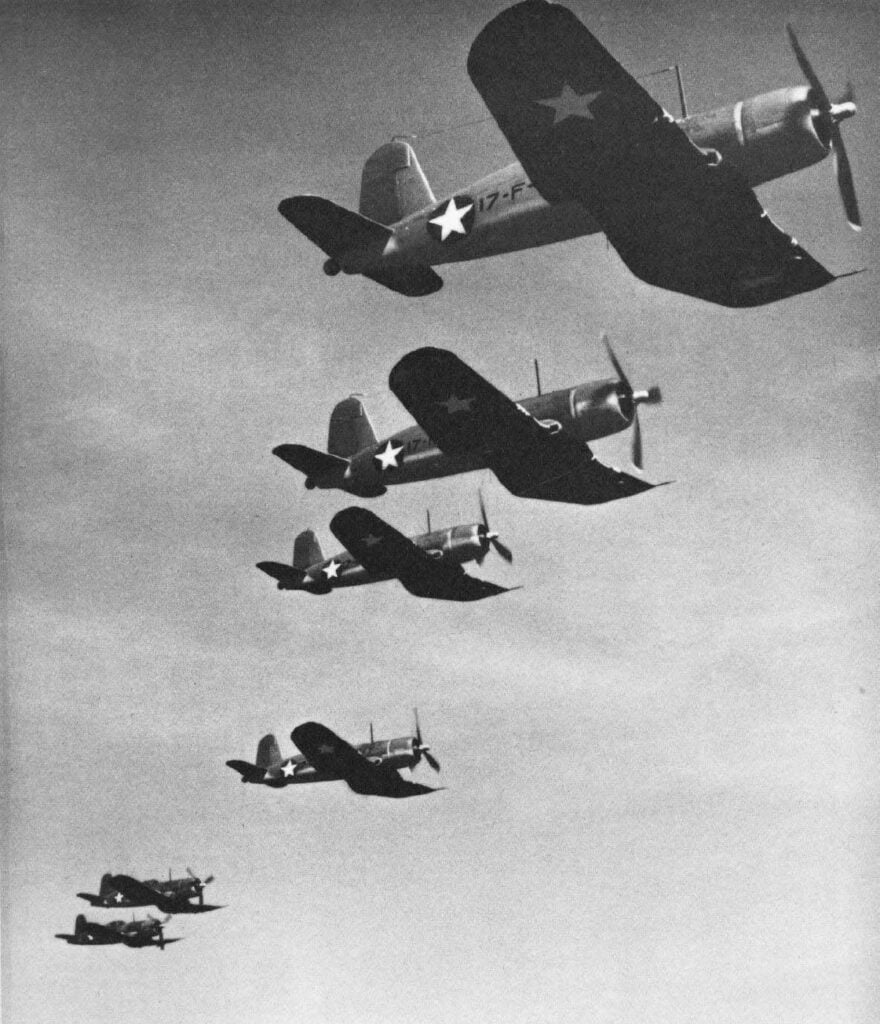
On February 19, 1944, Kepford demonstrated both the strengths and dangers of aggressive flying. When his wingman developed engine trouble, standard practice required both pilots to return. Instead, Kepford continued alone after spotting a Japanese seaplane. He destroyed it quickly, but the situation changed at once when multiple enemy fighters appeared above him.
Outnumbered and deep over hostile territory, Kepford relied on speed and maneuvering to survive. He used every advantage available, including pushing his aircraft to its limits to escape pursuit. After a long flight, he returned safely, having not only avoided capture but also shot down several enemy fighters during the encounter. His actions reflected both skill and a willingness to accept risk that defined the squadron.
Results of an Unusual Command
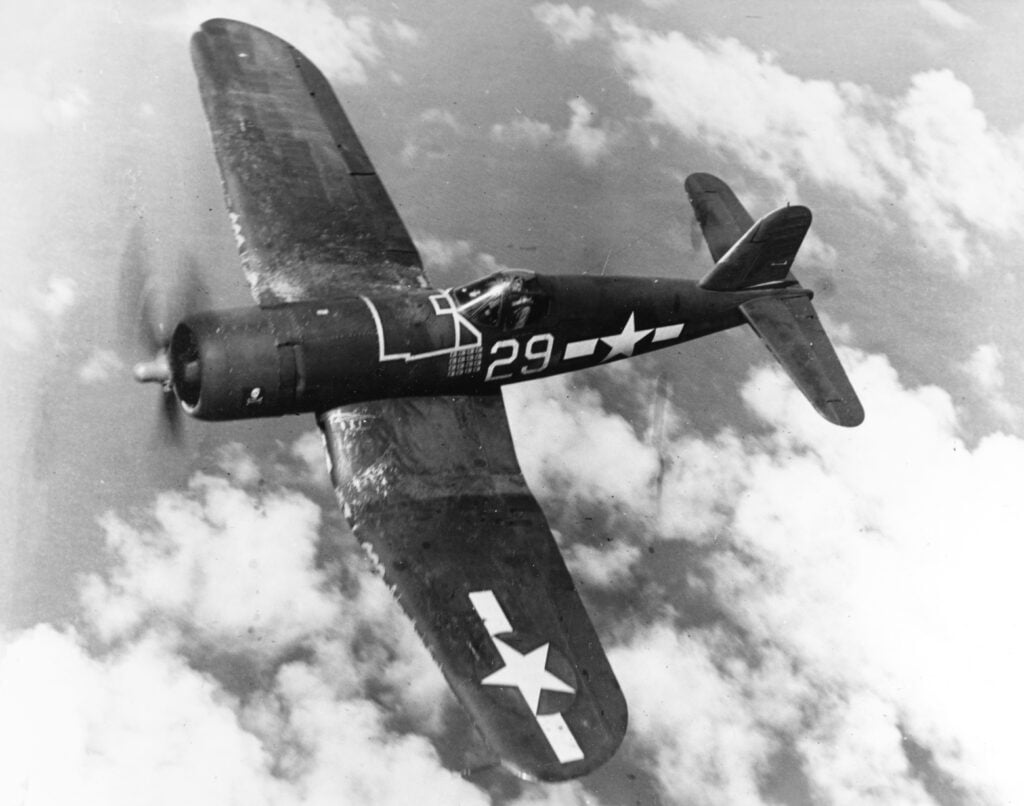
Over several months, the squadron achieved notable results. Its pilots recorded a high number of aerial victories while maintaining relatively low losses. They also protected the bombers they escorted with unusual consistency, preventing enemy fighters from breaking through their defenses. By the end of their deployment, many members had become aces, each credited with multiple victories.
Blackburn’s leadership combined strict expectations in combat with tolerance for individuality. His approach allowed skilled but unconventional pilots to perform at their best. The Corsair, once seen as a problem, proved effective in capable hands.



.jpg)
.jpg)