How a Simple Mirror System on the B-17 Gave Tail Gunners a Deadly Edge Over Enemy Fighters
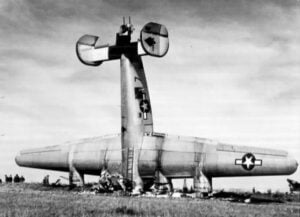
United States Army Air Forces, Public domain, via Wikimedia Commons
A Field Innovation That Changed B-17 Tail Defense
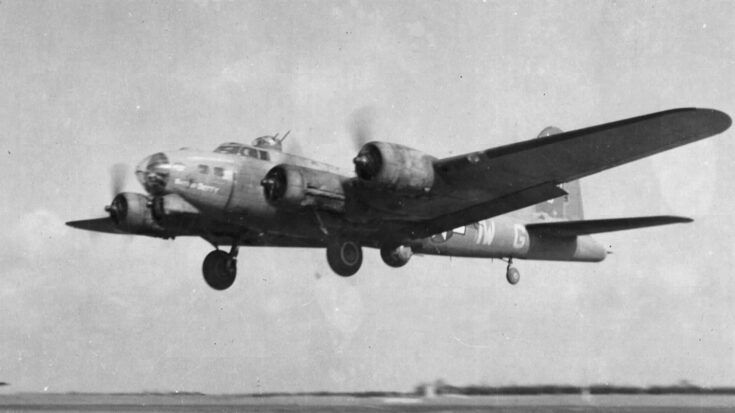
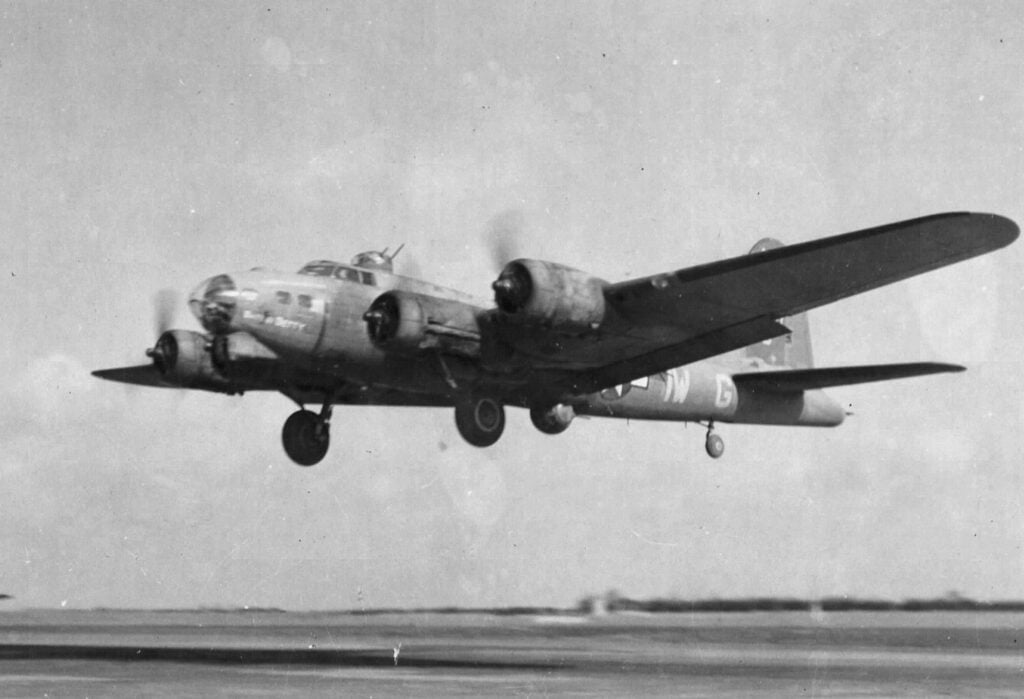
High above Europe in 1943, American bomber crews faced a persistent danger that was difficult to solve. The Boeing B-17, heavily armed and strongly built, still had a weakness at its rear. Enemy fighters learned to approach from behind and slightly below, where visibility was limited and defensive fire was less accurate.
At these altitudes, conditions made the problem worse. Temperatures dropped far below freezing, and the constant vibration of the aircraft made precise aiming difficult. Tail gunners relied on simple sights that demanded careful alignment, something nearly impossible during combat. As a result, many gunners struggled to hit fast-moving targets closing in from the rear.
A Problem Recognized in Combat
German fighter pilots quickly understood this limitation. Aircraft such as the Focke-Wulf 190 and Messerschmitt Bf 109 often attacked from the six o’clock position, exploiting the narrow field of view available to the tail gunner. Losses among bomber formations began to rise, especially during deep missions over heavily defended territory.
Within the Eighth Air Force, concern grew as weekly losses mounted. Bombers depended on tight formations for mutual defense, but even this system could not fully protect them from repeated rear attacks. Crews needed a way to improve awareness and accuracy without waiting for major redesigns from engineers back home.
An Unconventional Idea Takes Shape
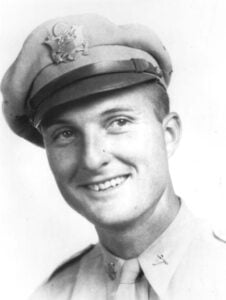
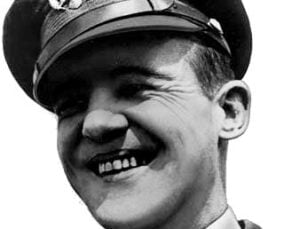
One solution came not from a laboratory, but from within the ranks. Staff Sergeant Michael Romano, a tail gunner, began thinking about how to overcome the visibility problem. After a difficult mission, he noticed reflections in the curved glass of his turret and considered how mirrors might help extend his field of view.
Working with a fellow airman skilled in metalwork, Romano created a simple mounting system using scrap materials. Small mirrors were positioned so they reflected the path of tracer rounds and the approach of enemy fighters. This allowed the gunner to see beyond the limits of direct sight and adjust aim more quickly.
Resistance and Early Success
At first, the modification was not welcomed. Altering military equipment without approval violated regulations, and some officers viewed the change as unnecessary or even dangerous. There were warnings that such actions could lead to disciplinary measures.
Despite this, Romano used the system during a mission over northern Germany in October 1943. When a fighter approached from behind, he spotted it earlier through the mirror and adjusted his aim accordingly. The result was a successful defensive action, which drew attention from other crews.
Spread Across Bomber Units
News of the improvement moved quickly through the bomber groups. Other tail gunners began requesting similar setups, eager to improve their chances of survival. Informal instruction followed, as Romano demonstrated how to rely on reflected images rather than direct line of sight.
Reports indicated that hit rates improved significantly. Crews who adopted the mirror system found they could respond faster and with greater accuracy. Enemy pilots, facing more effective defensive fire, began reconsidering their preferred attack angles.
Influence on Aircraft Design
The success of these field modifications eventually reached higher command. Officers responsible for armament recognized that the idea had practical value and allowed wider adoption. Over time, the concept influenced formal design changes in later B-17 variants.
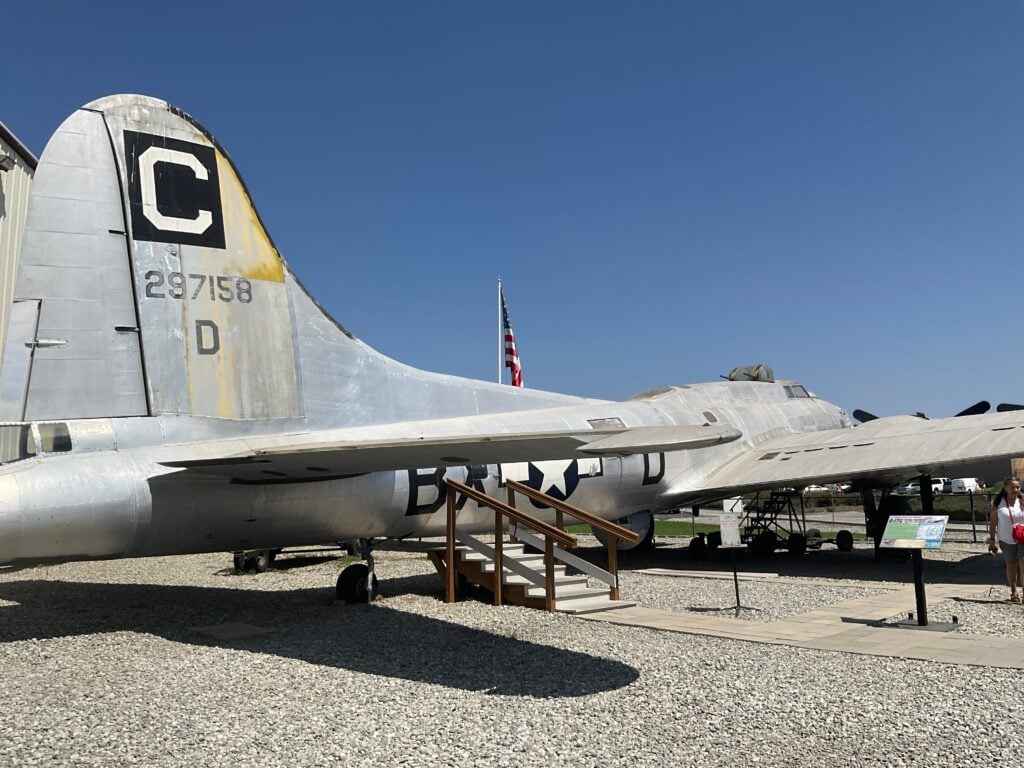
The most notable development was the introduction of the Cheyenne tail turret. This redesigned position improved visibility, reduced gunner fatigue, and incorporated better sighting systems. While more advanced than the original mirror setup, it reflected the same goal: closing the vulnerable gap at the rear of the aircraft.
Lasting Impact on the Air War
As these improvements spread, bomber survival rates increased. German fighters were forced to shift tactics, often attacking from more dangerous head-on angles. This change placed greater risk on the attackers and reduced the effectiveness of their earlier approach.
The mirror system itself was simple and inexpensive, yet its impact was considerable. It showed how practical experience in combat could lead to meaningful changes, even before official designs caught up.