After Shooting Down a German Bomber, a British Pilot Crash-Landed on a Frozen Lake—Then Teamed Up With the Enemy Crew to Survive
When Enemies Shared the Snow
War often divides men into clear sides, yet in rare moments, survival can blur those lines. In the spring of 1940, deep in the frozen mountains of Norway, a British aircrew and the German airmen they had just fought found themselves facing a common threat: the cold. What followed was not a typical wartime story, but one shaped by necessity and restraint.
At that time, Allied forces were struggling to slow the German advance through Norway. Aircraft from both sides clashed frequently over remote terrain, where rescue was uncertain and weather conditions could be as dangerous as combat itself.
A Battle Above the Mountains
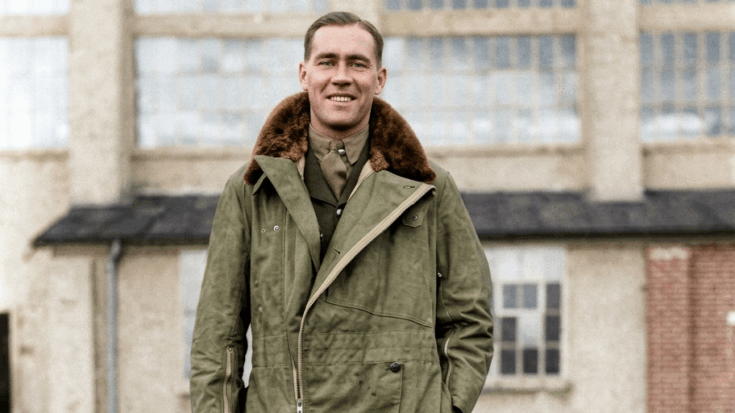
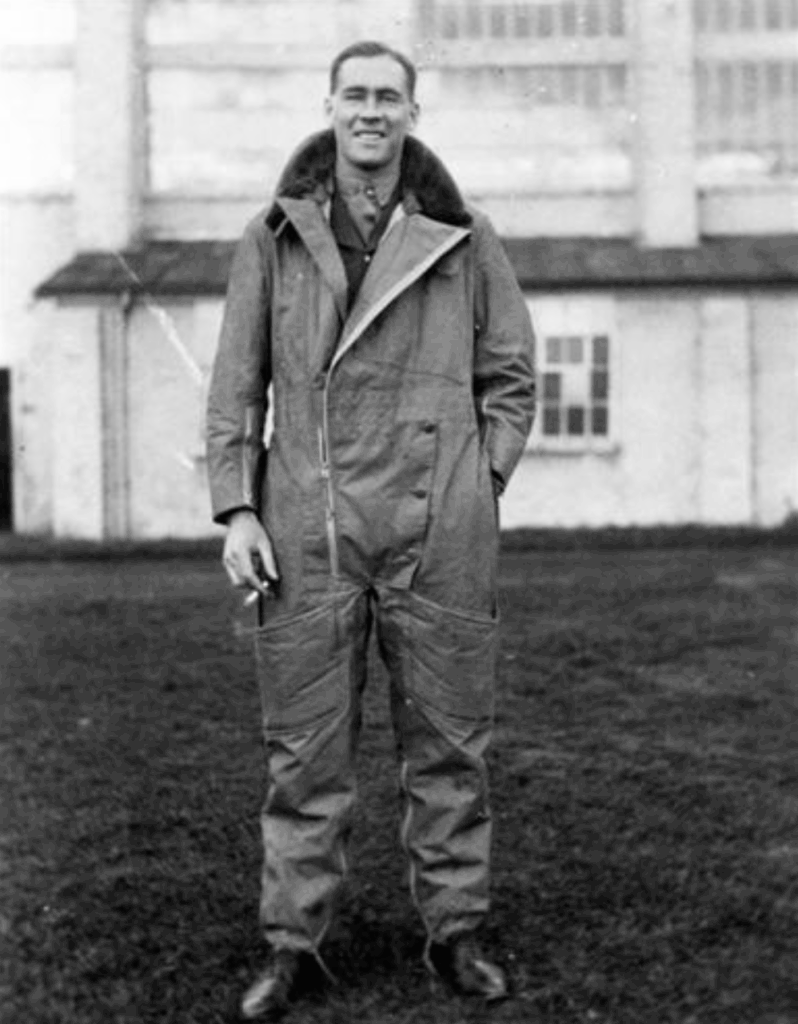
On April 27, 1940, Captain Richard Thomas Partridge of the British Fleet Air Arm engaged a German Heinkel He 111 bomber while flying a Blackburn Skua. The Skua, though limited in speed and power, was pressed into multiple roles, including dive bombing and interception.
During the encounter, Partridge and his observer successfully brought down the German aircraft. The bomber crashed in a mountainous area near Grotli, leaving only a few survivors. However, the British aircraft did not escape damage. Enemy fire struck its engine, forcing Partridge to search for a place to land.
A Forced Landing on Ice
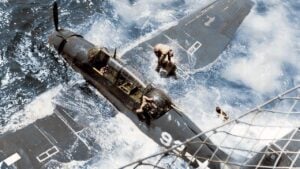
With his engine failing, Partridge guided his aircraft toward a frozen lake. The landing was rough but survivable. He and his observer, Lieutenant R.S. Bostock, escaped without serious injury and quickly destroyed sensitive equipment to prevent it from falling into enemy hands.
Stranded in an isolated region, the two British airmen began moving through the snow, hoping to find shelter. Nearby, the surviving German crew from the downed bomber had also left their crash site and were searching for the same thing.
An Unlikely Meeting
Both groups eventually reached a small, abandoned cabin once used by hunters. It was here that enemies came face to face again, this time without aircraft or weapons deciding the outcome. The situation was tense. The German survivors were armed, while the British airmen relied on quick thinking to avoid further violence.
Partridge reportedly convinced them that he had not been responsible for shooting down their aircraft. Whether fully believed or not, the claim helped ease the immediate danger.
Survival Over Conflict
Rather than continue the fight, both sides recognized a shared problem. The harsh environment offered little chance of survival without shelter, warmth, and rest. A temporary understanding formed. The cabin could not support all of them comfortably, so an arrangement was made that allowed each group to avoid further confrontation.
The British airmen eventually left and made their way through the snow toward safer territory. Their path led them to nearby settlements, where they could continue their escape from occupied areas.
A Story Remembered
The incident later gained attention as a rare example of restraint during a brutal conflict. It also inspired later retellings, including film adaptations, though many details were dramatized.
At its core, the event reflects the unpredictable nature of war. In the sky, the two crews had fought as enemies. On the ground, far from command and far from support, they faced a different reality—one where survival depended less on victory and more on human judgment.