Germans Built Fake Airfields With Wooden Aircraft to Fool the Allies—The RAF Waited and Dropped a Single Wooden Bomb
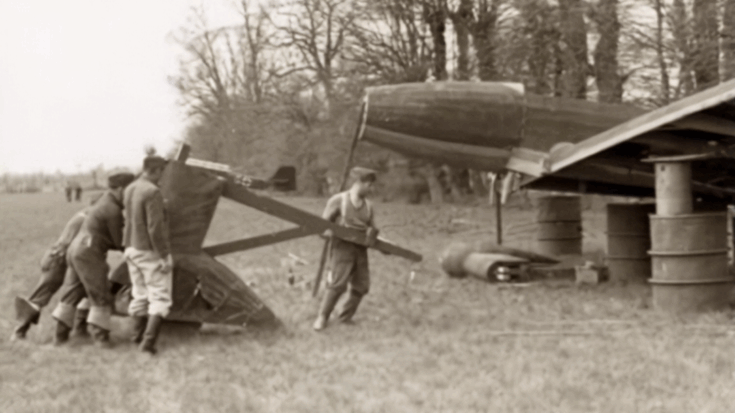
Double Agent / YouTube
During the Second World War, deception became a major part of air strategy across Europe. Germany and the Allied air forces both invested in camouflage, false installations, and misinformation to protect real military targets. One of the most repeated stories from this period involves German fake airfields built to mislead Allied bombers, and a rumored British response involving a wooden bomb dropped on a decoy site.
Camouflage and Deception in German Air Defense
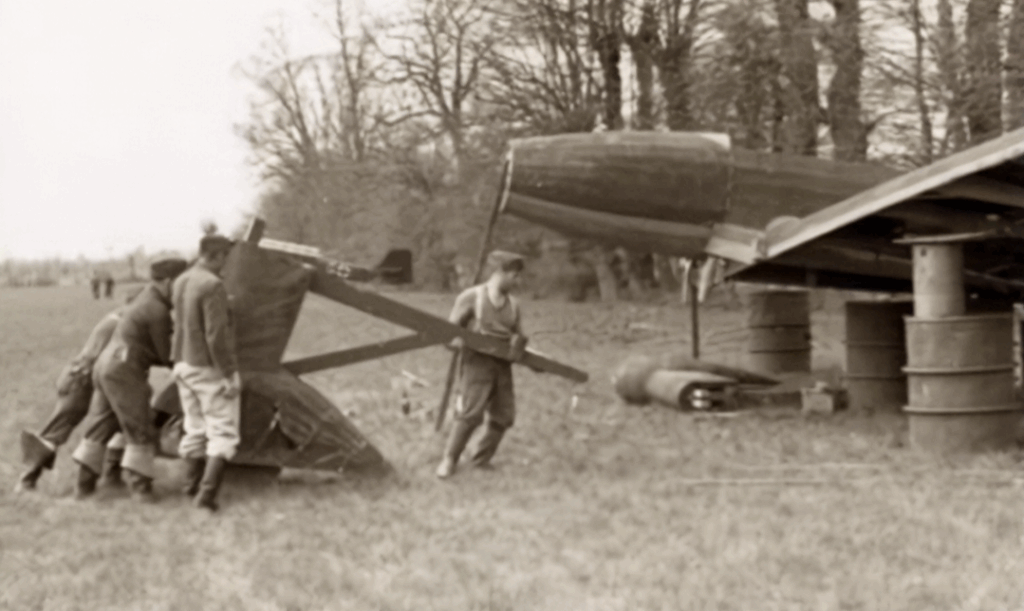
As Allied bombing campaigns intensified after 1942, German forces expanded the use of decoy airfields across occupied territory. These installations were designed to imitate real military bases and draw enemy attacks away from operational infrastructure. They often included wooden or canvas aircraft shapes, painted runway markings, and carefully arranged structures meant to appear convincing from aerial reconnaissance.
Historians confirm that such deception was part of a wider German defensive approach, especially under increasing pressure from strategic bombing raids targeting transport lines, fuel depots, and aircraft production centers. The goal was not to fool ground observers, but to mislead reconnaissance aircraft and photo interpreters flying at high altitude.
Construction of Scheinflugplätze and Visual Tricks
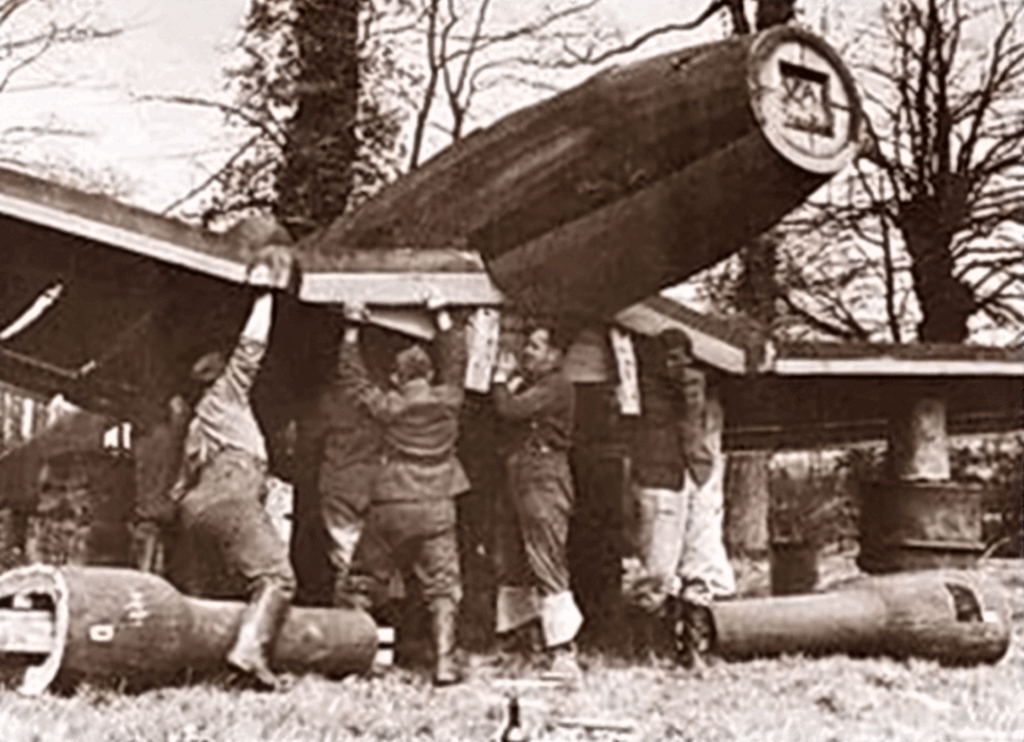
These fake installations, sometimes referred to in German records as Scheinflugplätze, were built using lightweight materials such as timber frames, fabric coverings, and painted surfaces. In some cases, lighting systems were installed to simulate nighttime activity. Smoke generators were also used to imitate engine maintenance or fuel activity, giving the impression of an active airfield when viewed from above.
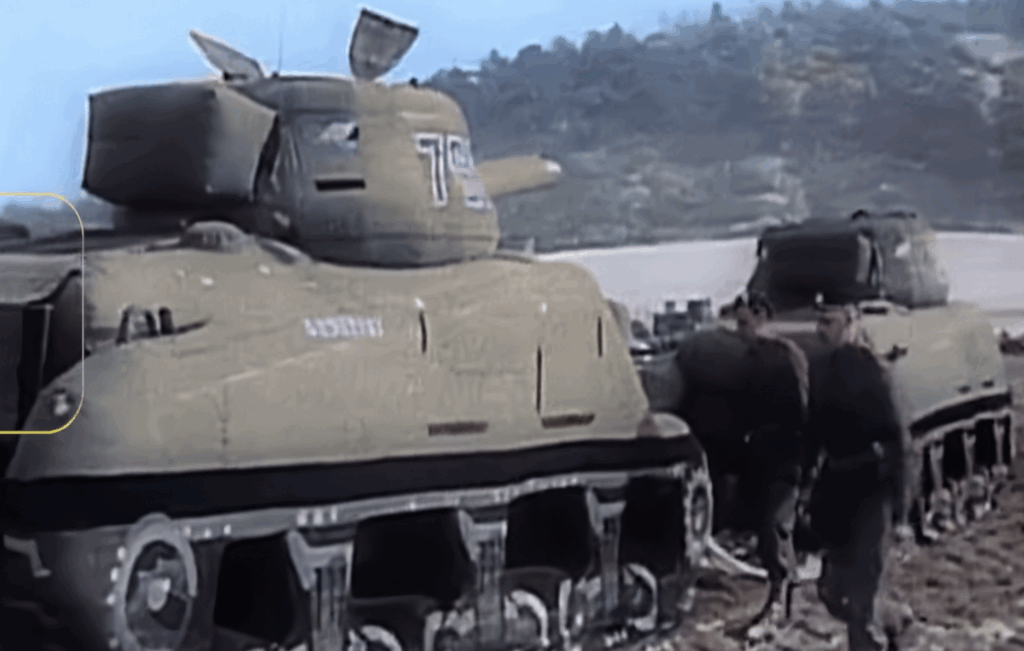
Similar techniques were used elsewhere in the war. Both sides created dummy tanks, inflatable vehicles, and fake troop concentrations to misdirect enemy intelligence. The practice was part of a broader system of military deception that expanded significantly during large operations such as preparations for the Allied invasion of Western Europe.
The Wooden Bomb Story and Its Origins
A widely circulated anecdote claims that once German engineers completed a fake airfield, an Allied aircraft flew over and dropped a single wooden bomb as a form of response or mockery. Versions of this story appear in popular accounts, internet discussions, and later publications, often describing it as a symbolic gesture meant to expose the deception.
However, historical research has not confirmed this event in official wartime records. Studies of military deception practices show that while dummy airfields were real, the “wooden bomb” incident is best understood as an unverified legend that developed after the war. Some historians suggest it may have originated as a humorous or symbolic tale rather than a documented military operation.
Allied Intelligence and Recognition of Decoys
What is well documented is the effectiveness of Allied photographic interpretation units. British reconnaissance teams analyzed aerial images in detail, identifying inconsistencies such as unrealistic shadows, lack of tire marks, or missing ground activity. When dummy sites were detected, they were often ignored or subjected to minimal attacks, conserving resources for verified targets.
Allied forces also developed their own large-scale deception programs, especially in preparation for major operations in 1944. Inflatable tanks, fake landing craft, and radio misinformation were used to mislead German intelligence about invasion plans, showing that deception was a shared feature of modern warfare rather than a one-sided tactic.
The Broader Role of Wartime Deception
The use of fake airfields fits into a wider pattern of psychological and strategic deception that defined much of the air war over Europe. Both sides understood that controlling what the enemy believed could be as important as destroying physical targets. While some stories from this era became exaggerated over time, the underlying reality remains clear: misinformation, camouflage, and visual trickery were essential tools in the struggle for air superiority.