Why the Bf 109 Was So Much Slower Than the P-51 Mustang
YouTube / Greg's Airplanes and Automobiles
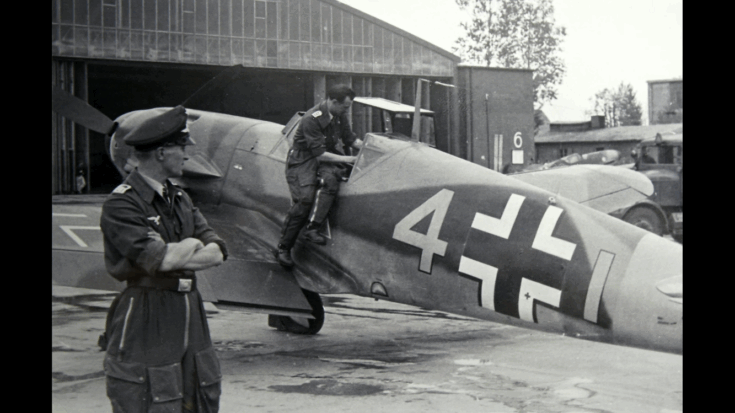
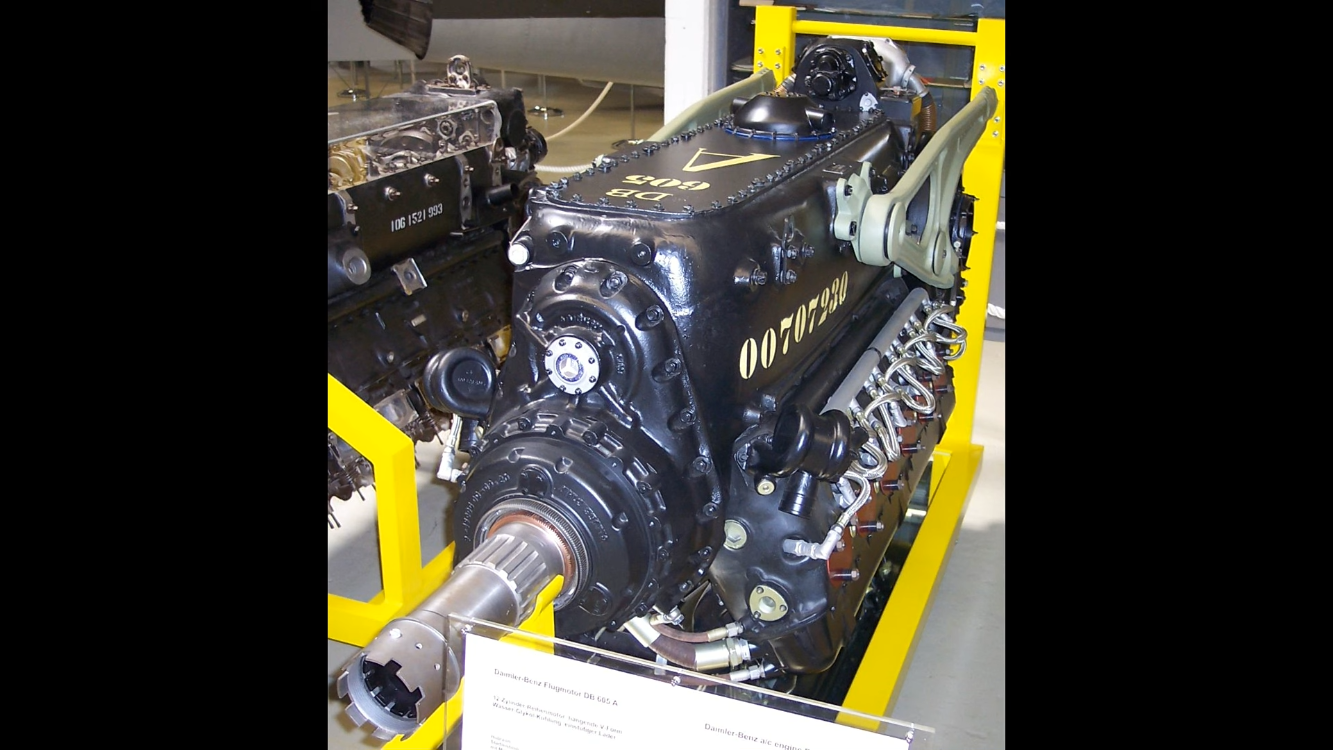
The P-51 Mustang was 40 to 60 mph faster than the Bf 109G despite having a smaller engine. The 109G used a 35.7-liter Daimler-Benz DB 605. The Mustang’s Packard Merlin displaced only 27 liters. The 109’s engine also featured fuel injection and one of the most sophisticated supercharger drive systems of the war. None of it was enough. The reason comes down almost entirely to fuel.
Manifold Pressure and What It Means
Engine power is determined less by displacement than by how much air-fuel mixture can be forced into the cylinders and how hard it can be compressed before it ignites prematurely. That premature ignition is called knock, and the fuel’s resistance to it sets the upper limit on manifold pressure. The P-51 running 150-octane fuel could operate at 75 inches of manifold pressure at war emergency power. The 109G running 95-octane fuel was limited to approximately 42 inches. That 78% difference in manifold pressure dwarfs the 32% displacement advantage the German engine carried.
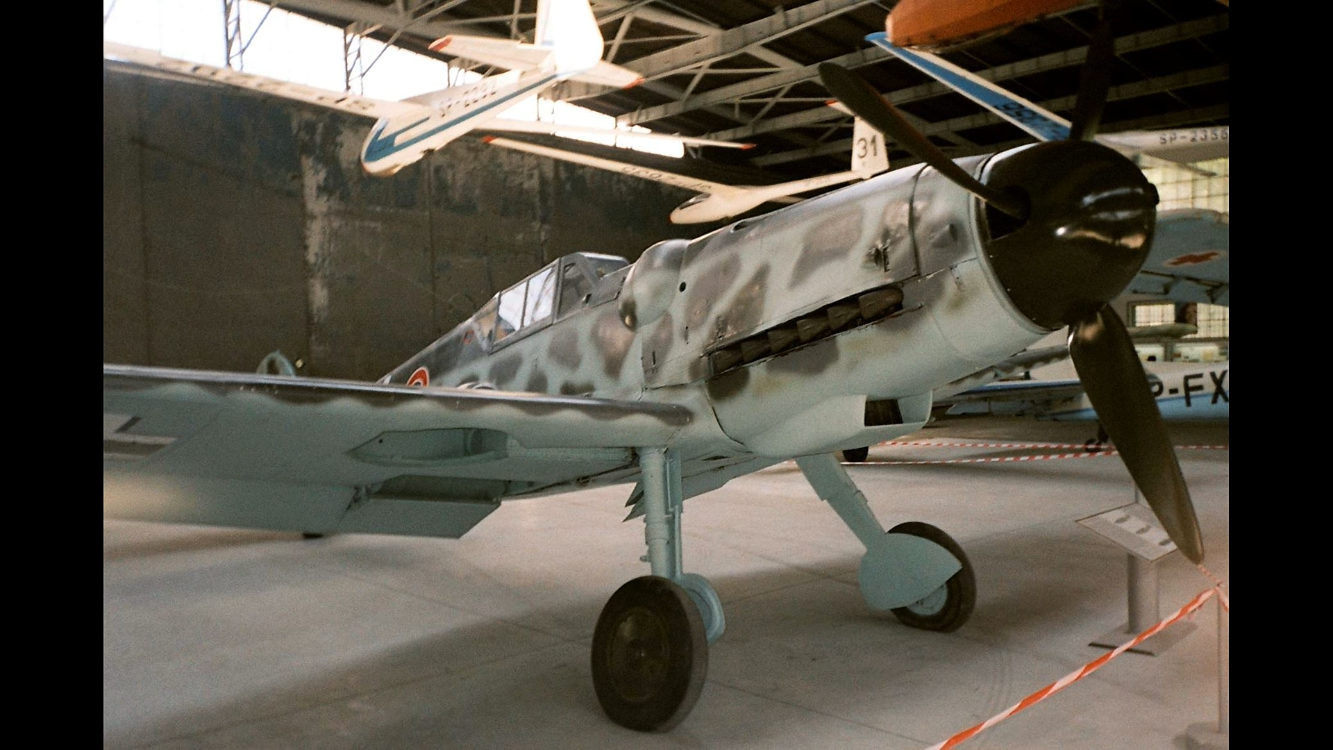
Allied fighters in the UK were approved for 150-octane fuel by mid-1944 with modifications to the manifold pressure regulator and intake components allowing the higher boost levels. The 109’s 95-octane fuel rating was measured on the same testing standard as the American 130 and 150 ratings, making them directly comparable. No engineering solution available to German designers could bridge that gap.
What the Merlin Had That the DB 605 Didn’t
The Packard Merlin used dual-stage supercharging, where two superchargers ran in series, the first feeding compressed air into the second. That arrangement produces significantly more pressure than a single-stage system. The 109G had no room under its tight cowling to fit a comparable setup.
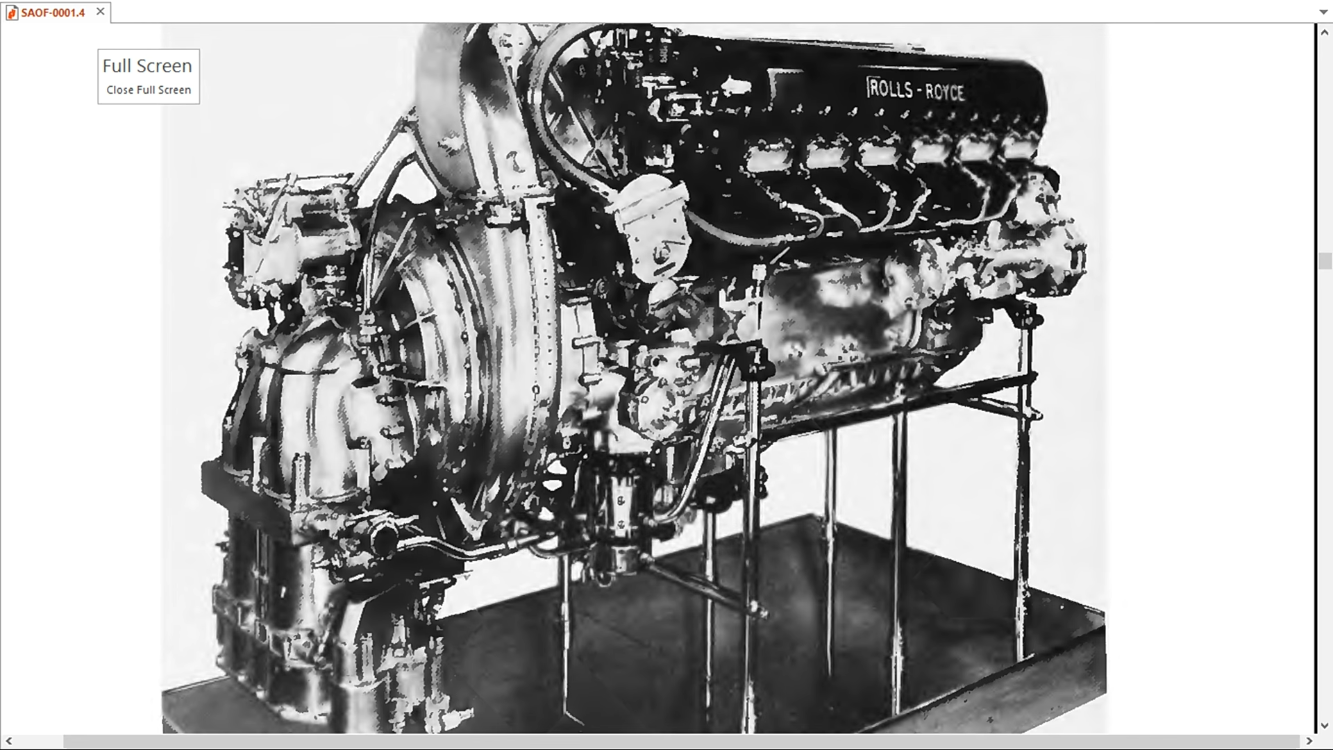
The Merlin also incorporated an aftercooler, a liquid-to-air heat exchanger that cooled the compressed air after it left the superchargers. Cooler air is denser and less prone to knock, allowing still higher manifold pressure. In testing on comparable engines, aftercooler addition allowed manifold pressure increases of roughly 10 inches. The 109G had neither dual-stage supercharging nor an aftercooler.
Supercharger Gearing and Altitude
The 109G’s supercharger drive system was genuinely advanced, using variable speed coupling to maintain optimal boost across a wide altitude range from sea level to approximately 18,800 feet. Above that the engine lost manifold pressure and power rapidly. The 109G needed that wide range because it fought on both the Eastern Front, where engagements happened at low altitude, and the Western Front at medium and high altitude.
The P-51D was designed for one primary mission: escorting B-17s and B-24s flying at 25,000 feet. The Merlin was supercharged specifically for that altitude. The dash-3 variant optimized its high-gear ratio for 28,800 feet, well above where the 109G was running out of breath. At 25,000 feet the P-51 had a decisive power advantage regardless of which Merlin variant it carried, because that is precisely the altitude the American engine was built to dominate.
The Result
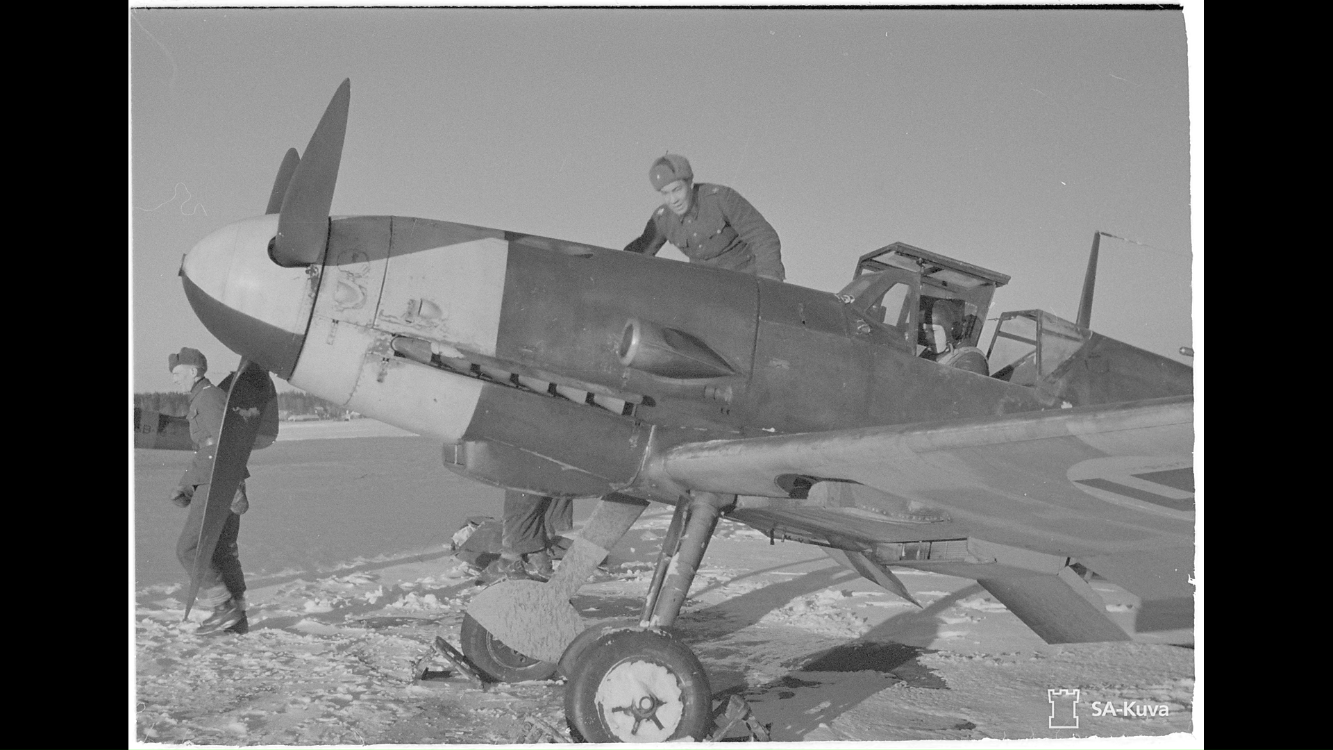
A Bf 109G pilot who had to fight a P-51D above 20,000 feet was at a compounding disadvantage in speed, power, and sustained performance. Below 18,000 feet the situation was more competitive, where the 109G’s superior power-to-weight ratio could produce advantages in climb rate and turn performance. That tactical reality informed how German pilots were trained to handle P-51 encounters: get the fight as low as possible and as quickly as possible, because every foot of altitude above 20,000 feet shifted the advantage further toward the American aircraft.
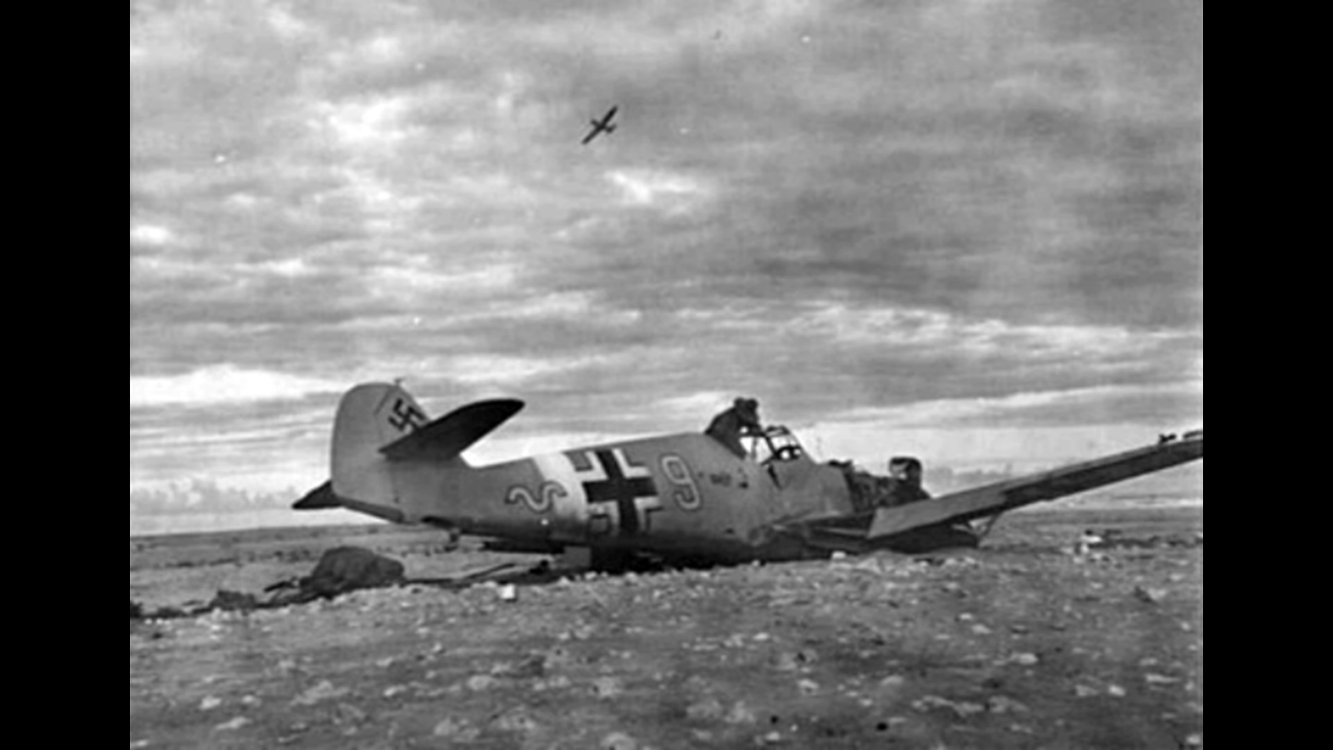
The later 109G-14 and K-4 variants addressed the problem through water-methanol injection and C3 fuel, closing the gap considerably. But for most of the period when the P-51D and 109G were fighting each other over Europe, the outcome of the comparison was determined in a laboratory, not in the air, by the octane rating of the fuel each aircraft burned.