

The Story of the First U.S. Ace in Two Wars—And the Mission That Cost Him Everything
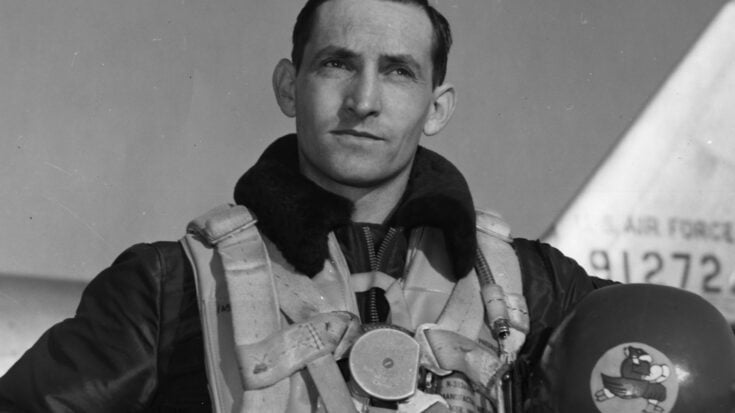
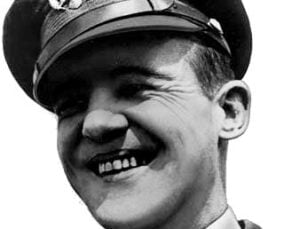
U.S. Air Force photo, Public domain, via Wikimedia Commons
By late 1951, the skies above Korea had become a testing ground for a new kind of aerial combat. Jet fighters now faced one another at speeds far beyond those seen in the Second World War, while older piston-driven bombers still carried out missions over contested territory. In this setting, encounters unfolded quickly, often leaving little time for hesitation.
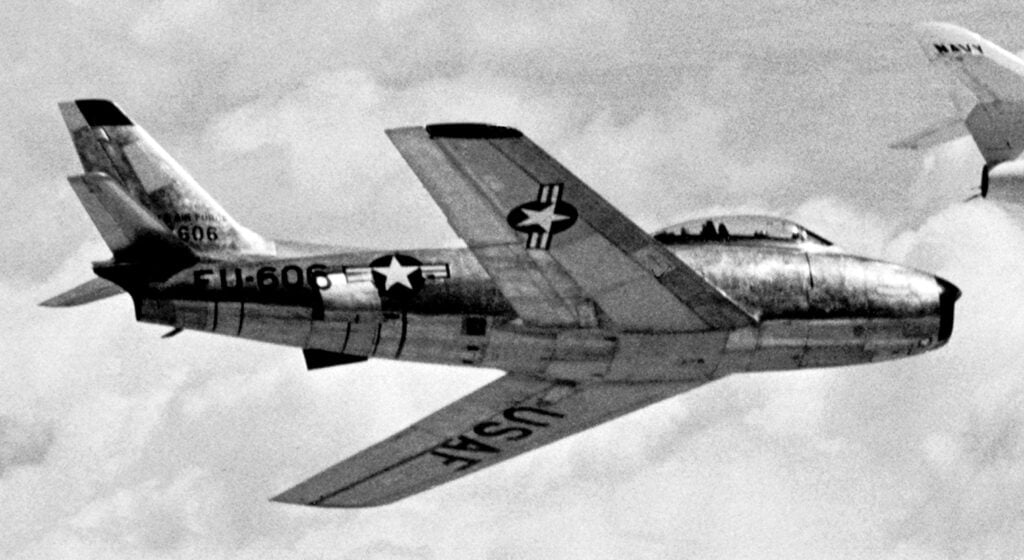
On November 30, a formation of Chinese Tu-2 bombers moved toward Cho-Do Island, escorted by propeller-driven fighters. Without warning, American jets descended from above. The attackers were F-86 Sabre aircraft, which quickly broke the formation and forced the escorts into a defensive fight. Within moments, tracer fire filled the sky as both sides struggled for control.
A Veteran Pilot in a New War
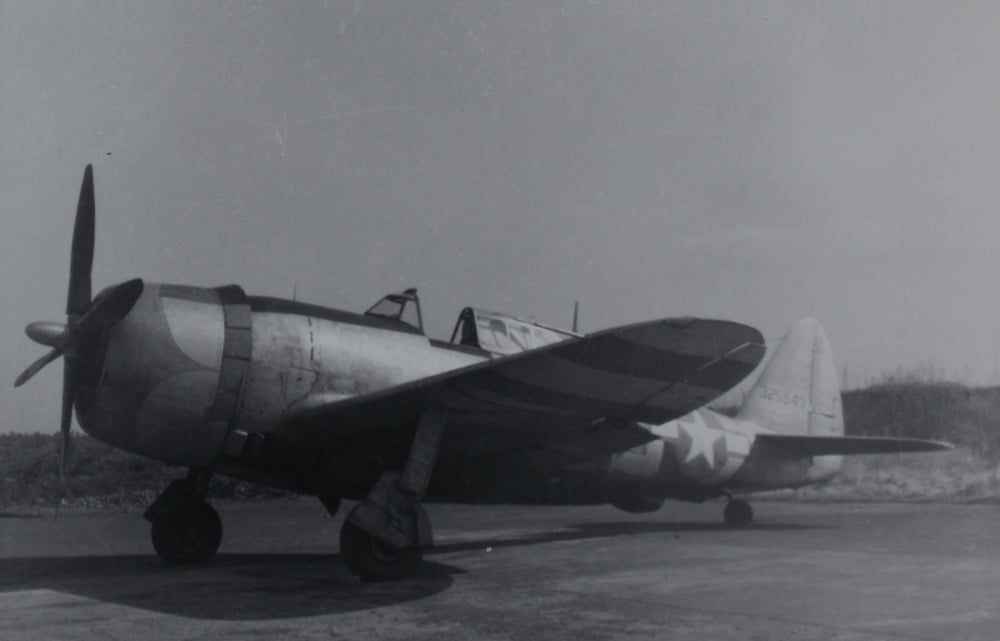
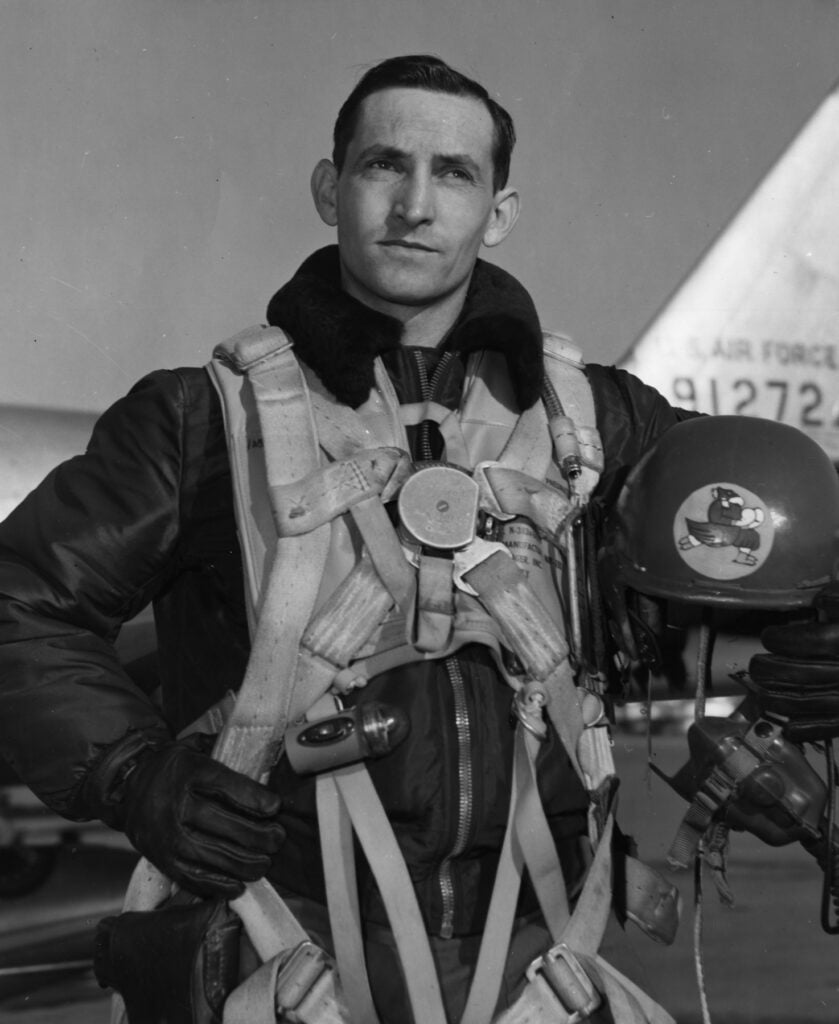
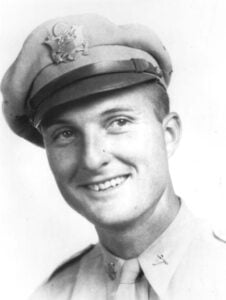
Leading one of the American flights was George Andrew Davis Jr., a pilot who had already earned distinction during the previous global conflict. In Korea, he adapted quickly to jet combat, combining discipline with aggressive tactics. During the November engagement, he pressed repeated attacks, closing distance with unusual confidence.
His actions disrupted the bomber group and shifted the balance of the fight. By the end of the encounter, several enemy aircraft had been destroyed, and Davis added multiple victories to his record. These successes helped make him the first American pilot to achieve ace status in two separate wars, a rare distinction in military aviation history.
Leadership in the 4th Fighter Wing
Away from combat, Davis was known for a reserved manner. He avoided attention and focused on his responsibilities as a commander. Assigned to the 334th Fighter Squadron within the 4th Fighter Wing, he emphasized discipline and preparation. His leadership contributed to the unit’s growing reputation during the conflict.
At a time when experienced pilots were often rotated back to the United States, Davis remained at the front. Military planners valued his experience and judged him difficult to replace. As a result, he continued to fly missions in one of the most dangerous areas of the war, commonly known as MiG Alley.
A Critical Mission Over the Yalu
On February 10, 1952, Davis led a small group of fighters assigned to protect American aircraft conducting strikes near the Yalu River. The mission became more dangerous when part of his formation turned back due to equipment failure, leaving him with limited support.
Despite the risk, Davis pressed forward. He identified a group of approaching MiG-15 aircraft moving toward friendly bombers and chose to intercept. Diving from above, he attacked quickly and destroyed at least one enemy jet, then turned toward another.
Final Engagement and Legacy
As Davis pursued additional targets, his aircraft lost speed, leaving him vulnerable. Unknown to him, another group of enemy fighters approached from a higher altitude. One of these pilots, later identified as Zhang Jihui, joined the attack.
A burst of fire struck Davis’s aircraft, causing severe damage. His wingman attempted to assist, but the situation deteriorated rapidly. The damaged jet descended and crashed, with no sign of escape.
Davis’s actions allowed the protected aircraft to complete their mission, though his loss was deeply felt. By the end of the war, he was credited with fourteen victories in Korea and a total of twenty-one across both conflicts. He was later awarded the Medal of Honor, recognizing his conduct during the final mission.


.jpg)
