Northrop Grumman Offers First Look at F/A-XX Concept Before The Pentagon Decides
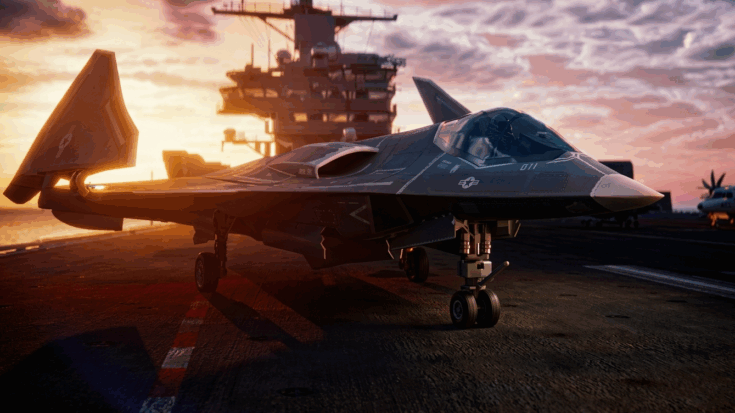
@northropgrumman / X
The effort to develop the U.S. Navy’s next carrier-based fighter has entered a more visible stage, with new imagery and fresh comments from senior leadership suggesting that a long-awaited decision may soon be made. The program, known as F/A-XX, is intended to replace aging aircraft and ensure naval aviation remains effective in future conflicts. While much of the work remains classified, recent developments offer a clearer sense of direction.
Within hours of remarks by Daryl Caudle, Northrop Grumman released a short promotional video showing a conceptual aircraft. The timing drew attention, as Caudle indicated that a contract decision could come as early as August, raising expectations that the program is nearing a turning point after years of uncertainty.
A Glimpse of a Future Carrier Fighter
The brief video, lasting only seconds, presents a refined version of a concept first shown in 2025. The aircraft appears on the deck of a carrier, reinforcing its naval role. One of the most noticeable features is its tailless shape, a design often associated with reduced radar visibility and improved aerodynamic efficiency in advanced aircraft.
Further details include air intakes positioned along the upper fuselage, a configuration commonly linked to stealth considerations. Although the exact number of engines is not clear, such elements are often concealed in early visualizations to protect sensitive information. The aircraft’s smooth, blended body and pointed nose suggest space for modern radar systems, likely based on active electronically scanned array technology.
Design Hints and Operational Needs
Carrier operations impose unique demands, and the concept reflects these requirements. The aircraft is shown with a reinforced nose landing gear and a launch bar for catapult takeoffs. Folding wings, visible in the video, are another essential feature, allowing the aircraft to fit within the limited space aboard carriers.
Despite these details, analysts caution that such images rarely represent final designs. Past programs have shown that publicly released concepts can differ greatly from operational aircraft. These visuals are often intended to demonstrate general direction rather than reveal exact specifications.
Funding Struggles and Strategic Pressure
The F/A-XX program has faced repeated funding challenges. Compared to the U.S. Air Force’s parallel next-generation fighter effort, sometimes referred to as the F-47, the Navy’s project has received significantly less financial support. Budget requests have been modest, often requiring intervention from Congress to secure additional funding.
This imbalance reflects broader debates within defense planning, where competing priorities shape investment decisions. Lawmakers have repeatedly stepped in to increase funding for the Navy’s program, suggesting continued concern about maintaining a balanced force structure across military branches.
Industry Competition and Uncertain Timelines
Two major companies, Boeing and Northrop Grumman, remain in contention for the contract. Lockheed Martin was previously removed from the competition. Both remaining firms are already managing large defense projects, which has raised questions about production capacity.
Caudle acknowledged these concerns, noting that one bidder may struggle to meet required timelines. He described a cautious approach to the decision, emphasizing the need to avoid costly delays. Such remarks highlight ongoing challenges within the defense industry, where complex programs often compete for limited resources and skilled labor.
Looking Ahead to a Critical Decision
Naval leaders continue to stress the importance of the program as global military competition intensifies. Advances by other nations have increased pressure to modernize, particularly in areas such as stealth, range, and networked operations. The F/A-XX is expected to play a key role in future carrier strike groups, working alongside drones and other advanced systems.
Although officials have suggested that a decision could come soon, similar expectations have arisen before without firm results. The coming months may finally determine the direction of one of the Navy’s most important aviation programs.