

The Rogue RAF Pilot Who Attacked the Gestapo—Demoted for Disobedience, Later Awarded the DFC
TJ3 History / YouTube
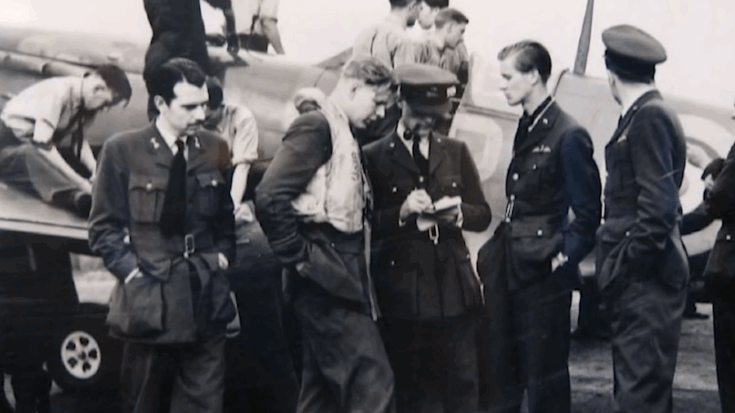
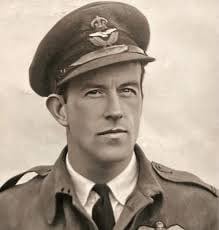
War often produces acts that fall outside formal orders, shaped instead by personal loss and conviction. One such case involves Jean de Selys Longchamps, a Belgian nobleman who flew with the Royal Air Force and carried out a daring solo attack over occupied Brussels in 1943. His mission was not officially authorized, yet it became one of the most discussed individual air actions of the war in Western Europe.
Born in 1912 in Brussels, de Selys Longchamps grew up in a well-known Belgian family and joined the army’s cavalry before the German invasion in 1940. After Belgium’s surrender, he escaped through Dunkirk and eventually made his way to Britain. Determined to continue the fight, he joined other exiled servicemen seeking to rebuild their role in the Allied war effort.
From Exile to the RAF
Reaching Britain was not simple. Like many displaced soldiers, he moved through uncertain routes, including time in French-controlled territory before finally escaping detention and reaching England. Though considered slightly older than typical trainees, he entered flight training with the Royal Air Force, reportedly using altered documents to secure his place.
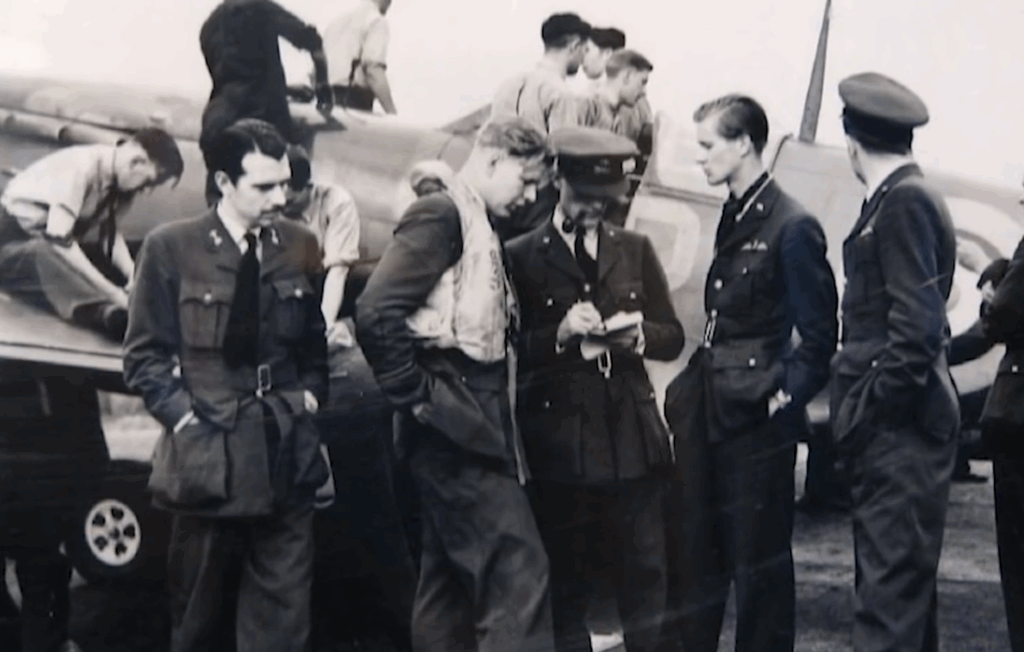
By 1941, he was assigned to No. 609 Squadron, a unit that included several foreign volunteers. The squadron soon began operating the Hawker Typhoon, a fast, low-level attack aircraft armed with powerful cannons. De Selys Longchamps proved to be a skilled but forceful pilot, gaining a reputation for bold flying and strong opinions about how the war should be fought.
Personal Motive and a Dangerous Plan
His motivation became deeply personal after learning that his father had died in German custody, reportedly after harsh treatment by security forces. This news shaped his thinking and led him to consider direct action against those responsible. He repeatedly proposed missions targeting German security offices in Belgium, but his requests were denied by RAF command, which prioritized strategic targets.
Frustrated, he began planning a mission on his own. He chose a well-known building at 453 Avenue Louise in Brussels, which had been taken over as a headquarters for German security police. Familiar with the city’s layout, he believed a low-level strike could hit the building while avoiding widespread damage nearby.
The Attack on Brussels
On January 20, 1943, de Selys Longchamps took off from RAF Manston as part of a routine operation targeting railway infrastructure near Ghent. After completing the assigned attack with his wingman, he ordered the other pilot to return to base. He then turned alone toward Brussels, flying at low altitude to reduce the chance of detection.
Reaching the city, he followed the wide boulevards he knew from his youth and identified his target. Diving low, he opened fire with his aircraft’s cannons, striking several floors of the building. The attack caused casualties among German personnel and disrupted operations within the headquarters. Reports vary on the number affected, but the strike achieved its intended impact.
After the attack, he flew over parts of the city and dropped small Belgian flags, including near the royal palace and a family residence. He then returned safely to England, where his actions drew immediate attention from his superiors.
Discipline, Recognition, and Legacy
Initially, de Selys Longchamps faced disciplinary action for disobeying orders and carrying out an unauthorized mission. He was demoted, reflecting the RAF’s strict command structure. However, attitudes shifted as the significance of the attack became clearer, and he was later awarded the Distinguished Flying Cross for his service.
His career was cut short later that year. In August 1943, he died in a crash while landing his aircraft after a mission. Today, his actions are remembered in Belgium, where a memorial near Avenue Louise marks the site associated with his daring and controversial strike.

.jpg)