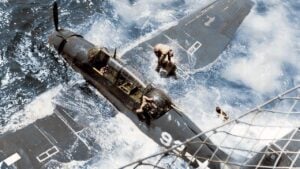
How Oscar Winner James Stewart Became a B-24 Pilot and and Flew Missions Over Germany
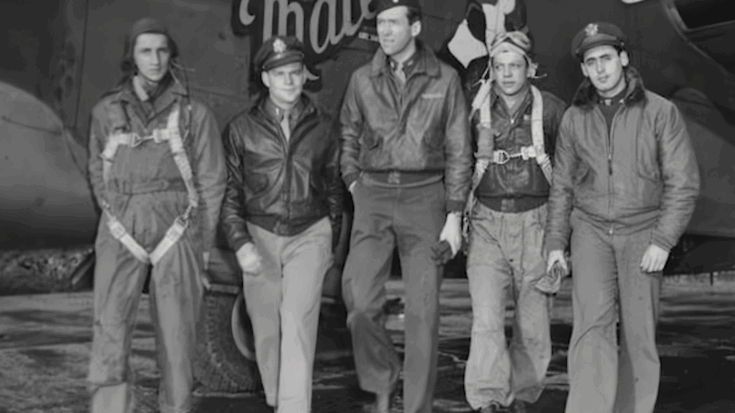
FORGOTTEN HISTORY / YouTube
In early 1940s America, few figures were as recognizable as James Stewart. Known for his calm voice and thoughtful performances, he had just earned an Academy Award for The Philadelphia Story. Yet when the United States entered World War II, Stewart made a choice that surprised many. Rather than remain in Hollywood to support morale, he pursued active military service, determined to serve as a combat pilot despite repeated resistance from the Army.
At first, officials saw greater value in keeping him stateside. He was slightly underweight and considered too old for combat aviation. Even after meeting physical requirements, he was encouraged to make films and promote war bonds instead. Stewart refused to accept that role. He paid for additional civilian flight training to improve his skills and prove his capability. By January 1942, he earned a commission as a second lieutenant in the Army Air Forces, beginning a long path toward the front lines.
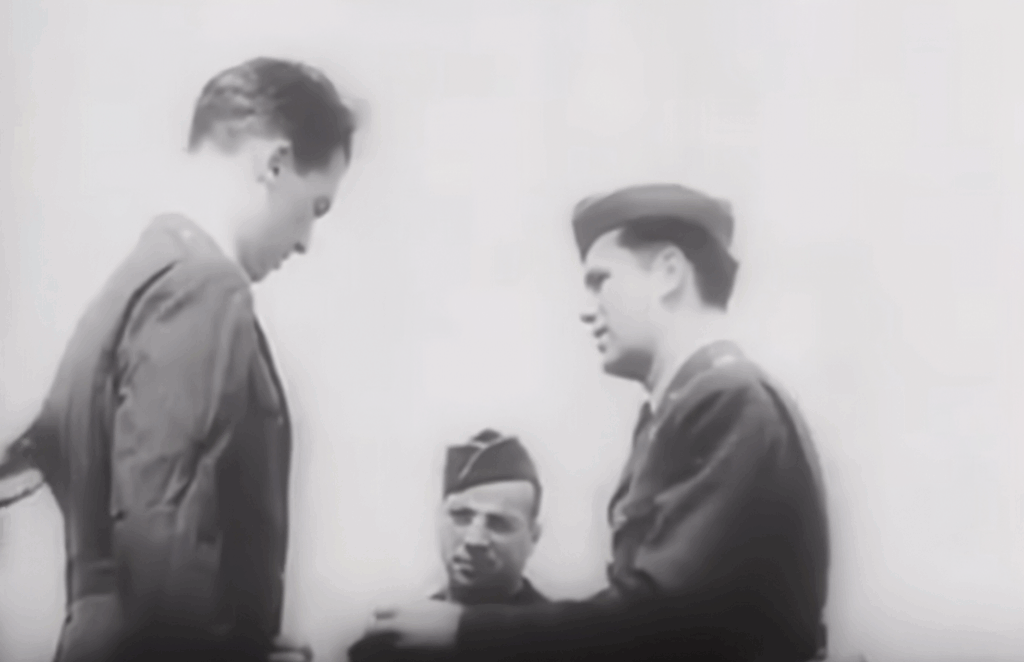
Training, Frustration, and Determination
For nearly two years, Stewart remained in the United States as a flight instructor. He trained pilots on aircraft such as the B-17 and B-24, preparing younger men for missions over Europe. Although his work was important, he repeatedly requested reassignment to combat duty. Each request was denied. Military leaders feared losing a well-known public figure, but Stewart grew increasingly focused on joining his fellow airmen in combat.
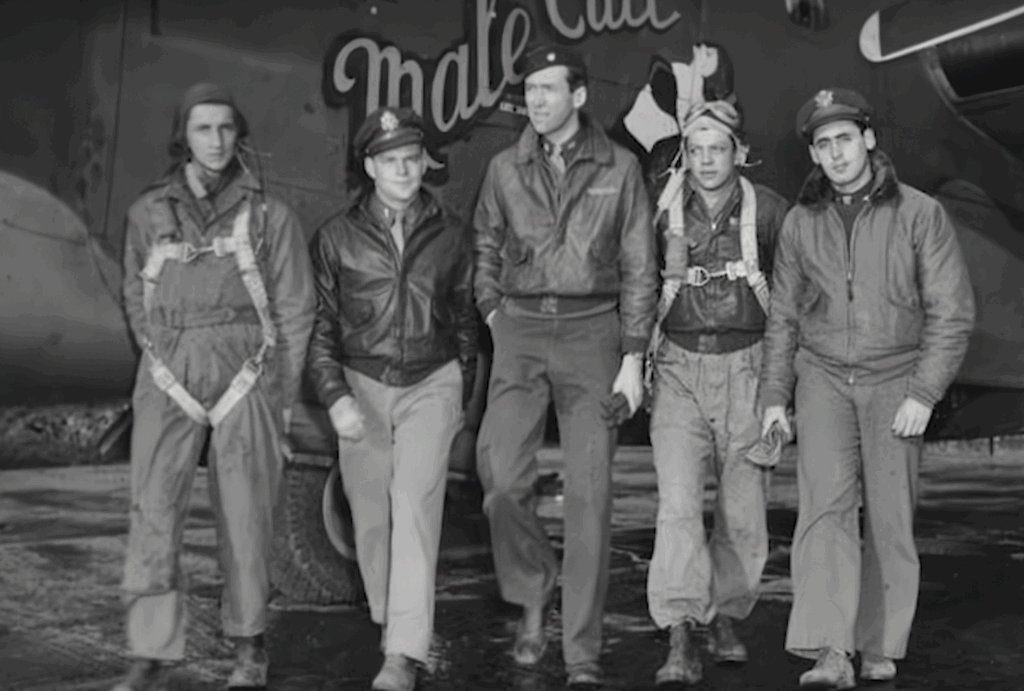
By late 1943, that changed. Promoted to captain, Stewart was assigned to the 445th Bombardment Group of the Eighth Air Force, based at RAF Tibenham in England. There, he transitioned from instructor to operational pilot, flying the B-24 Liberator. This heavy bomber was powerful but demanding, requiring tight formation flying at high altitudes where temperatures dropped far below freezing. Crews relied on oxygen masks that often iced over, creating constant danger even without enemy fire.
Combat Missions Over Germany
Stewart flew his first combat mission on December 13, 1943, over German-occupied territory. At that time, bomber crews faced severe losses, especially before long-range fighter escorts became common. Missions often involved deep penetration into enemy airspace, where formations encountered anti-aircraft fire and fighter attacks. Completing a full tour of missions carried significant risk, and many crews did not survive long enough to finish.
Despite these conditions, Stewart took on increasing responsibility. He flew a total of 20 combat missions and often served as formation leader, guiding groups of bombers toward heavily defended targets. On one mission in February 1944 over Brunswick, he maintained formation under intense pressure, earning the Distinguished Flying Cross. His leadership required careful judgment, as decisions about altitude and timing directly affected the survival of entire crews.
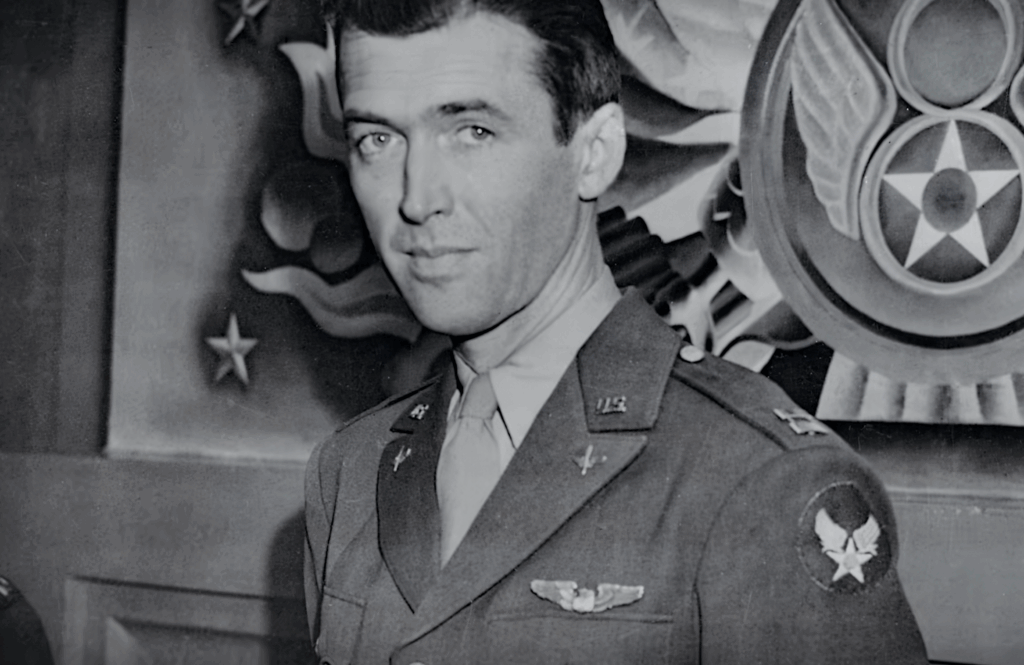
Leadership and the Weight of War
Stewart’s role extended beyond flying. He was known for remaining at the airfield until every aircraft returned, ensuring that missing crews were accounted for. He also wrote letters to the families of fallen airmen, a task that added emotional strain to an already demanding role. Fellow servicemen later described him as serious and focused, a contrast to his earlier public image.
In early 1944, he participated in large-scale bombing operations, including missions involving hundreds of aircraft. During one raid, his aircraft was damaged by anti-aircraft fire, losing equipment and suffering structural damage, yet he completed the mission and returned safely. These experiences reflected the daily risks faced by bomber crews during the air campaign over Europe.
Aftermath and Lasting Effects
By 1945, Stewart had risen to the rank of colonel and served in senior operational roles within the Eighth Air Force. The strain of combat left lasting effects. Like many veterans, he experienced difficulty adjusting after the war, including trouble sleeping and ongoing stress tied to his experiences in the air.
When Stewart returned to acting, his performances carried a different weight. His role in It’s a Wonderful Life, directed by Frank Capra, reflected emotional depth shaped by his wartime service. Though widely recognized again as an actor, Stewart rarely spoke publicly about his missions, viewing them simply as duties he carried out during a difficult period in history.