At 23,000 Feet, a WWII Airman Flew a Doomed B-17 With One Hand and Fought the Pilot for Control
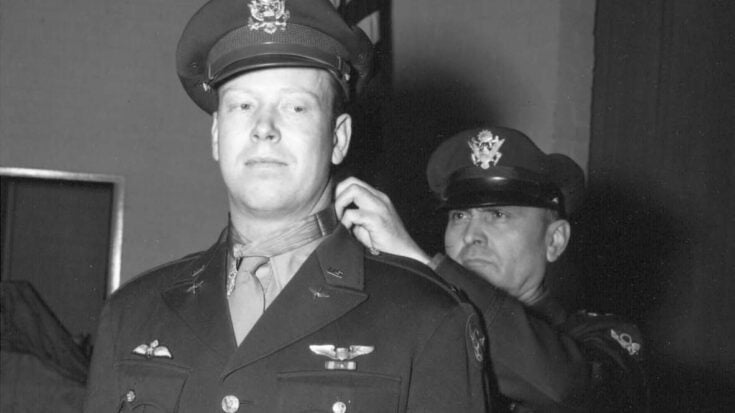
U.S. Air Force Historical Support Division, Public domain, via Wikimedia Commons
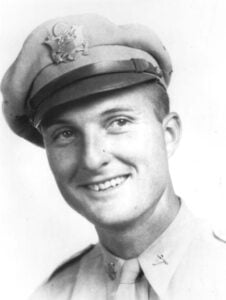
Holding the Line in a Broken Sky: The Ordeal of John C. Morgan
High above occupied Europe in the summer of 1943, American bomber crews faced conditions that tested both skill and endurance. Among them was John C. Morgan, a flight engineer whose actions during a single mission would stand out even in a war filled with extreme moments.
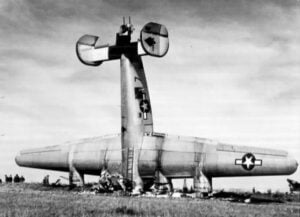
On July 28, 1943, during the intense bombing campaign later known as “Blitz Week,” Morgan flew aboard a B-17 Flying Fortress named Ruthie II. These missions aimed to weaken German aircraft production, but they came at a high cost. Bombers flew in tight formations for protection, relying on coordination to survive waves of enemy fighters and anti-aircraft fire.
Chaos Inside the Cockpit
As the formation pushed deeper into hostile airspace, German interceptors struck with increasing force. The aircraft carrying Morgan was hit by cannon fire that tore through the cockpit. The co-pilot was killed instantly, while the pilot suffered a severe head injury that left him barely conscious.
The damage created a new and dangerous problem. When the pilot regained awareness, he reacted unpredictably, grabbing the controls and forcing the aircraft into sudden, unsafe movements. Because the control systems in the B-17 were linked, there was no way to isolate one set of controls from the other.
A Battle Within the Aircraft
Morgan found himself in an unusual struggle. With one hand, he kept the bomber steady in formation. With the other, he physically restrained the injured pilot, preventing him from sending the aircraft into a dive or breaking formation. This effort required constant attention, as the pilot repeatedly tried to take control without understanding the situation.
All of this took place at around 23,000 feet, where temperatures could fall to nearly minus 40 degrees. The cockpit had been torn open, allowing freezing air to rush inside. Despite the cold, the noise, and the danger outside, Morgan could not step away even for a moment.
Enduring the Mission
The bomber continued toward its target, entering the most dangerous phase of the operation: the bombing run. During this stage, aircraft had to fly straight and level, making them easy targets for anti-aircraft fire. Morgan maintained control throughout, still managing both the aircraft and the struggling pilot.
After the bombs were released, the formation turned back toward England. Enemy fighters continued to attack damaged aircraft, but Morgan kept Ruthie II in position. Inside the shattered cockpit, he relied on instinct and training rather than communication, as much of the equipment had been damaged.
Return Against the Odds
Eventually, the aircraft crossed back over friendly territory. By then, Morgan had been holding control for nearly two hours under extreme conditions. With limited strength remaining, he guided the bomber through landing procedures and brought it down safely.
Ground crews who reached the aircraft were met with a scene of heavy damage. The cockpit was wrecked, and the pilot was barely alive. Morgan himself was exhausted and physically weakened, unable to stand without assistance.
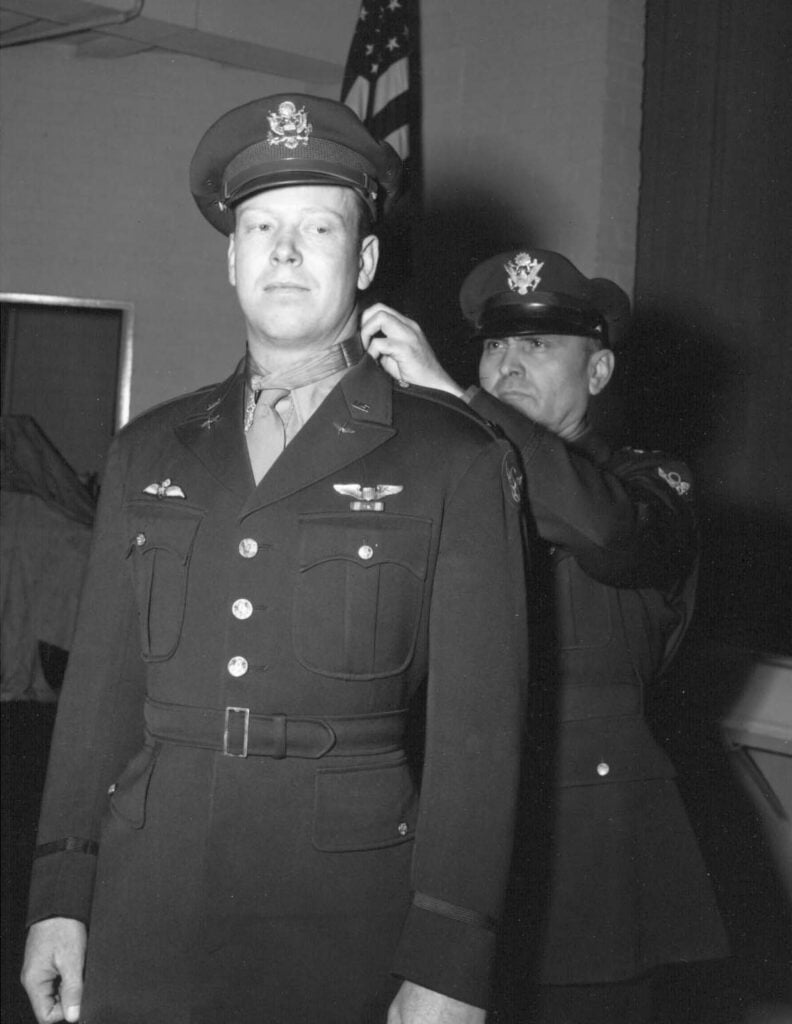
In time, military officials reviewed the mission and recognized the significance of his actions. Morgan’s ability to maintain control under such circumstances ensured the survival of the crew and the aircraft, despite conditions that made success seem unlikely.