

Close Call: Qatari Air Force Downs Iranian Bombers Near Largest U.S. Military Base in the Middle East
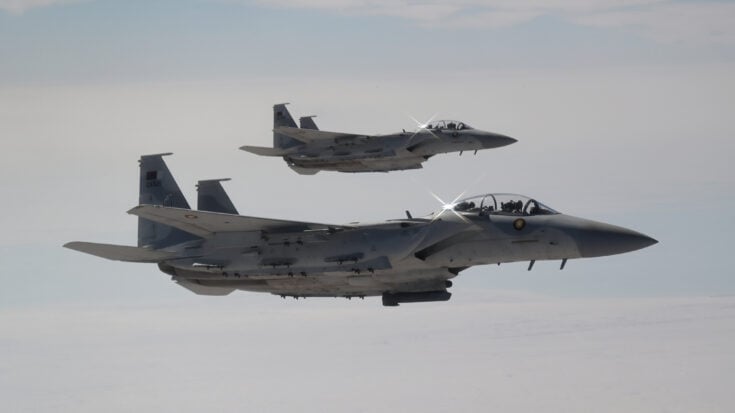
U.S. Air Force photo by Staff Sgt. Gerald Willis, Public domain, via Wikimedia Commons
Iranian Aircraft Approach Strategic Targets
In a tense moment over the Persian Gulf, Qatari fighter jets intercepted and shot down two Iranian bombers that were flying toward important targets inside Qatar. The aircraft were reportedly only minutes away from striking when the interception occurred, according to sources familiar with the operation.
The Iranian planes were identified as Su-24 tactical bombers, a Soviet-designed aircraft used for ground attack missions. Officials said the aircraft were heading toward two critical locations: Al Udeid Air Base and the Ras Laffan natural gas complex. Al Udeid is widely known as the largest United States military base in the Middle East and typically hosts around 10,000 American service members along with coalition forces.
Sources said the bombers were detected early Monday morning as they entered Qatari airspace. Military observers noted that the aircraft were flying unusually low, reportedly around 80 feet above the ground. Flying at such an altitude can make radar detection more difficult, which may allow aircraft to approach targets before being identified.
Defense officials who reviewed the incident said the bombers were visually confirmed and photographed while carrying bombs and guided weapons. At that point, Qatari authorities attempted to contact the aircraft by radio. The warning reportedly received no reply.
Qatari Fighters Intercept the Bombers
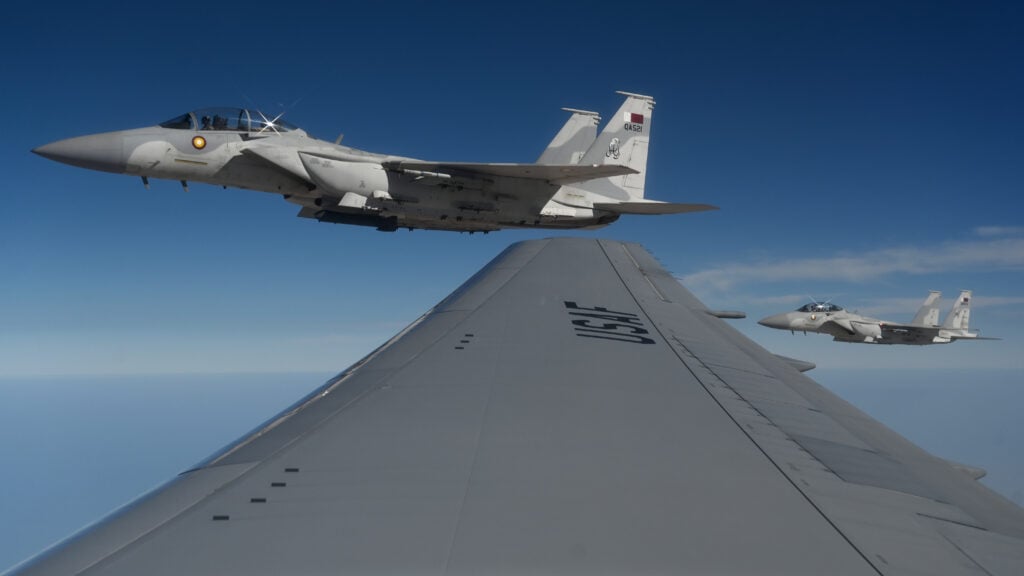
With little time left to respond, Qatari commanders classified the incoming aircraft as hostile. The Qatari Air Force then launched fighter jets to intercept the bombers before they could reach their targets.
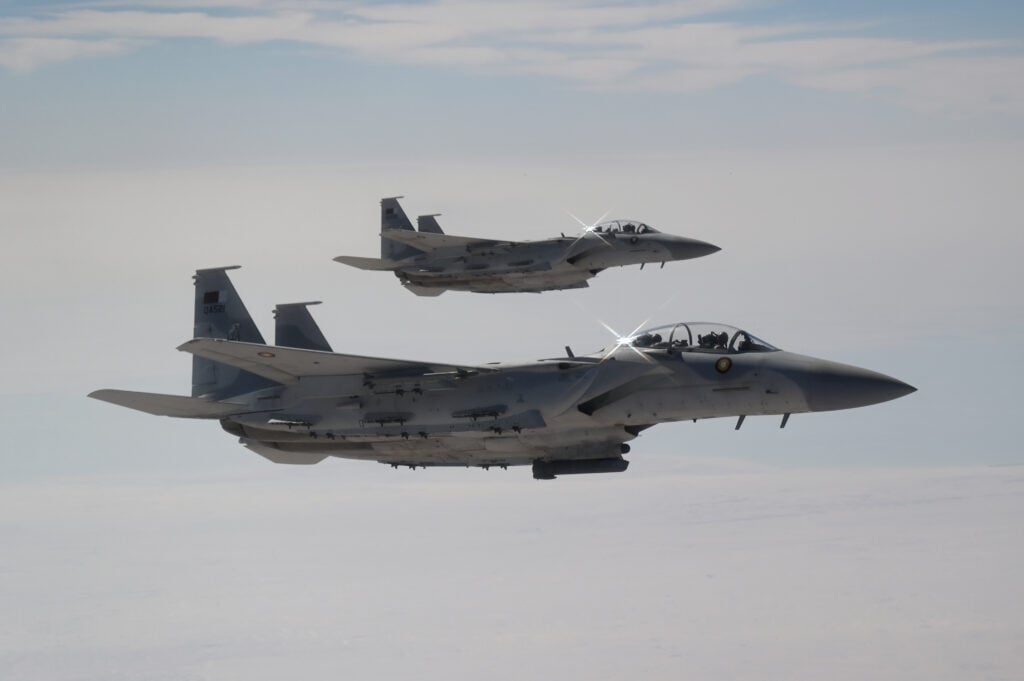
The interception was carried out by Qatari F-15 fighter aircraft. These jets are among the most advanced fighters in the region and are designed for air superiority as well as ground attack missions. Once the fighters reached the Iranian bombers, a short air-to-air engagement followed.
During that encounter, the Qatari pilots fired missiles and successfully shot down both aircraft. Military sources said the Iranian bombers crashed into Qatar’s territorial waters shortly after being hit.
The event marked a historic moment for Qatar’s air force. According to defense officials, it was the first time Qatari fighter pilots had engaged in aerial combat and destroyed enemy aircraft in real combat conditions.
Qatari authorities later confirmed that search operations began soon after the crash in an effort to locate the crews of the downed planes.
Rising Conflict Across the Gulf
The attempted strike came during a period of growing conflict across the Middle East. Iran has launched hundreds of missiles and drones toward several countries in the Gulf following earlier airstrikes carried out by the United States and Israel.
Regional governments say more than 400 ballistic missiles and over 1,000 drones have been fired toward targets across the region since the conflict escalated. Many of these projectiles were intercepted by air defense systems operated by Gulf states and allied forces.
Despite those defenses, some attacks have caused casualties. One recent strike killed six American service members when a projectile struck a temporary operations center in Kuwait. Officials said the attack managed to slip past air defenses before hitting the structure.
Strategic Importance of Al Udeid
The location that may have been the bombers’ primary target, Al Udeid Air Base, is one of the most important military installations in the region. Built in the 1990s and expanded over the years, the base serves as a central hub for U.S. air operations across the Middle East.
The base houses the forward headquarters of U.S. Central Command’s air operations center. From this location, military planners coordinate air missions, intelligence gathering, and regional defense operations across several countries.
Its long runways allow large aircraft such as bombers, transport planes, and aerial refueling tankers to operate from the facility. Advanced radar systems, command centers, and air defense batteries are also stationed at the base to help protect it from potential attacks.
The attempted bombing run and the quick response by Qatari pilots highlight how the conflict has expanded beyond missile and drone strikes. The use of manned aircraft in the operation marked a rare escalation and raised new concerns about the security of military bases and energy infrastructure across the Gulf.




.jpg)