He Flew a Burning Bomber Into the Target: The Final Mission of Lt. Col. Addison Baker
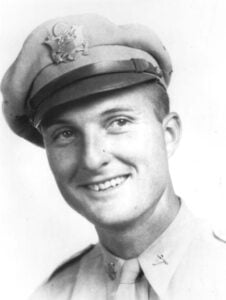
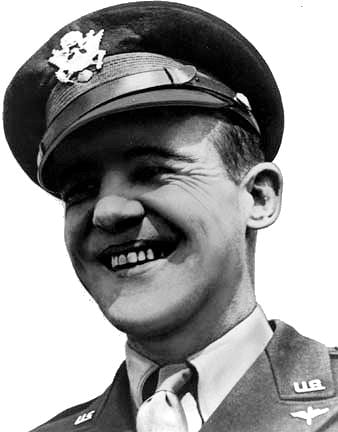
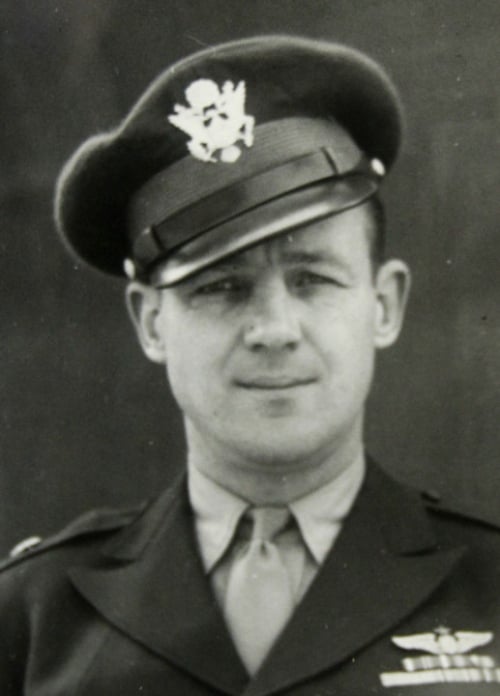
United States Army Air Forces, Public domain, via Wikimedia Commons
In August 1943, the air war over the Southwest Pacific had entered a brutal phase, where low-altitude attacks replaced safer high-level bombing. Crews of the B-25 Mitchell were now flying directly into heavily defended targets, trading altitude for accuracy. On August 18, one such mission toward Dagua Airfield would become one of the most remembered actions of the campaign, led by Addison Baker.
The strike force skimmed just above the sea, maintaining tight formation at high speed. This method reduced exposure time but left no margin for error. Pilots had seconds to react to danger, and any break in formation could disrupt the entire attack. Ahead of them, Dagua was heavily guarded by anti-aircraft guns and ready fighter defenses, making it one of the most dangerous targets in the region.
Low-Level Warfare in the Pacific
By 1943, Allied forces had adapted their tactics to counter strong defenses in Japanese-held territory. Medium bombers like the B-25 were modified with forward-firing guns, allowing them to strafe targets before releasing bombs. This aggressive approach proved effective against airfields, shipping, and supply lines, particularly in New Guinea.
Flying at such low altitude required discipline. Each aircraft depended on the leader for timing and direction. If the lead plane faltered, confusion could spread instantly. On this mission, Baker commanded the formation. Known for his steady leadership, he guided his squadron with precision as they approached the target.
Enemy resistance began before the bombers reached Dagua. Intercepting fighters attacked from above, while anti-aircraft fire rose from the ground. Explosions filled the sky, forcing crews to focus entirely on maintaining course. Then, during the approach, Baker’s aircraft was hit. Flames erupted along one wing, fueled by leaking aviation gasoline.
A Decision Under Fire
A burning aircraft at low altitude left little time for survival decisions. Standard procedure called for breaking away to save the crew. Baker had that option. With the target only moments ahead, he could have turned aside and attempted an emergency landing or ditching at sea.
Instead, he held his position. The formation remained intact behind him, relying on his leadership. If he had turned away, the carefully timed attack might have collapsed into disorder, exposing each aircraft to greater danger. By continuing forward, he ensured that the strike would proceed as planned.
As the airfield came into view, Baker’s bomber opened fire, strafing ground targets. Moments later, bombs were released, followed by the rest of the formation in sequence. The coordinated attack caused significant destruction, damaging aircraft, fuel supplies, and infrastructure on the ground.
Only after the bombs were away did Baker pull his aircraft out of formation. By then, the fire had spread beyond control. With no chance of reaching safety, he attempted a controlled ditching in the sea. The impact was severe, but some crew members survived the crash.
Baker himself survived the landing and was captured by Japanese forces. He endured months in captivity under harsh conditions before his death in early 1944. Details of his final months remain incomplete, a common reality for prisoners held in remote wartime locations.
Aftermath and Historical Record
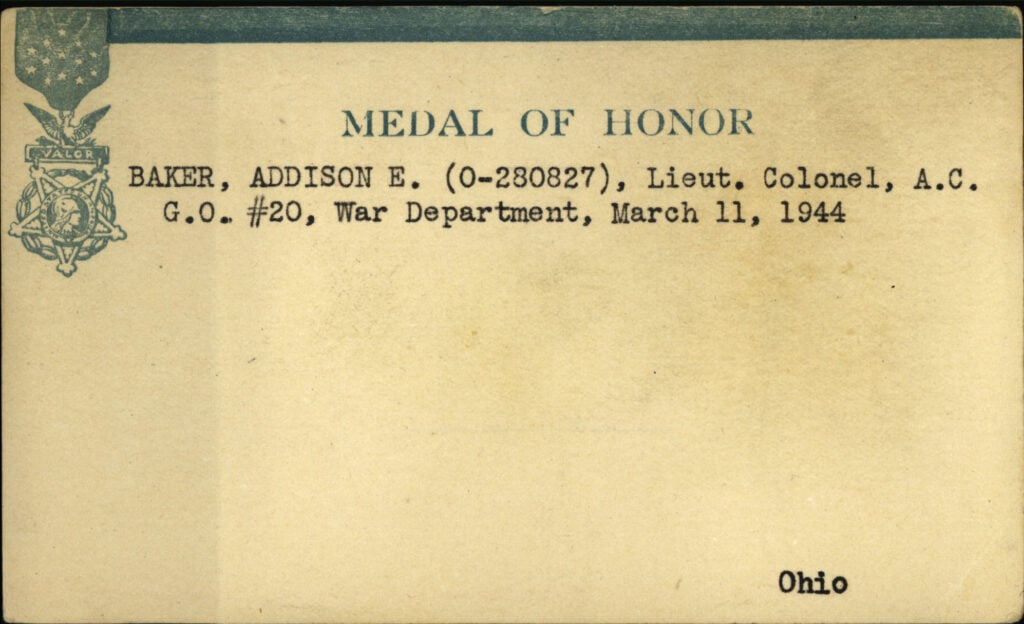
The mission achieved its objective, weakening enemy air power in the area and aiding future operations. Official reports recorded the results in simple terms, listing damage inflicted and aircraft lost. Baker’s actions were later recognized with the Medal of Honor, awarded after the full account became known.
His decision was not recorded in dramatic language at the time. It appeared only through the outcome: a formation that held together under fire and completed its task. Among airmen, the event became an example of how discipline and leadership could determine the success of an entire operation, even in the final seconds before impact.