The Bomber That Could Go Farther—But Often Never Came Back: The Reality of the B-24 Liberator
See page for author, Public domain, via Wikimedia Commons
At high altitude over the Atlantic, crews of the B-24 Liberator faced conditions that tested both machine and human endurance. Temperatures dropped far below freezing, ice formed along the wings, and the aircraft pushed through air that felt almost lifeless. Inside, eight men relied on a design praised for its range and efficiency. On paper, the Liberator promised to reach targets that other American bombers could not, carrying heavier loads across vast distances.
Yet the reality of combat revealed a more complicated picture. The aircraft’s advanced Davis wing allowed it to fly farther than the B-17 Flying Fortress, but that same design made it less forgiving under stress. Small mechanical issues could escalate quickly, and the large fuel capacity that extended its range also increased the danger. Crews often found themselves surrounded by thousands of gallons of fuel, aware that even minor damage could have severe consequences.
Design Strengths and Hidden Weaknesses
The Liberator became the most produced American heavy bomber of the war, with over 18,000 built across multiple factories. It served in nearly every theater, from Europe to the Pacific, and played a key role in anti-submarine patrols over the Atlantic. Its long range helped close the mid-ocean gap where German submarines had previously operated with limited opposition, shifting the balance in the Battle of the Atlantic.
However, the aircraft demanded constant attention from its crew. Pilots noted that its controls felt heavier, especially at lower speeds, and its handling could become unstable if not managed carefully. While the B-17 earned a reputation for surviving heavy damage and returning home, the B-24 was less predictable. When it failed, it often did so suddenly, leaving little time for recovery.
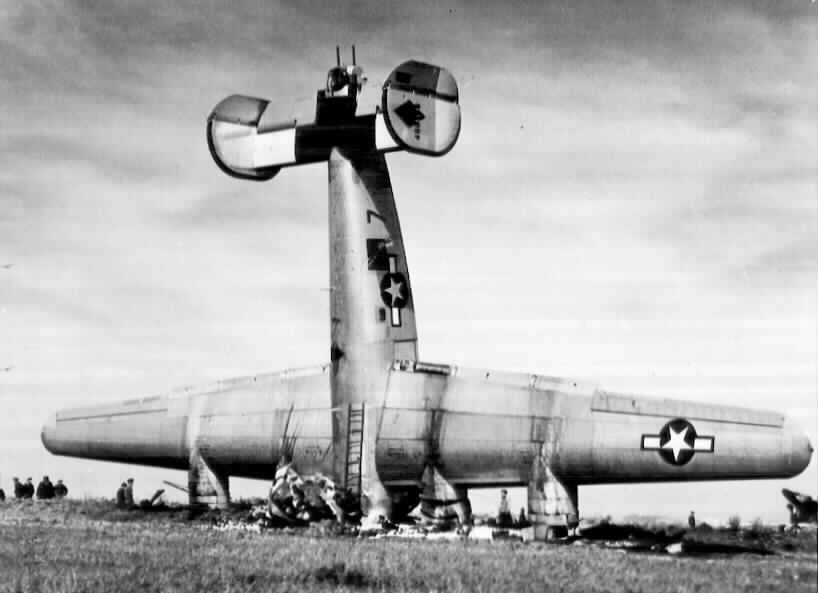
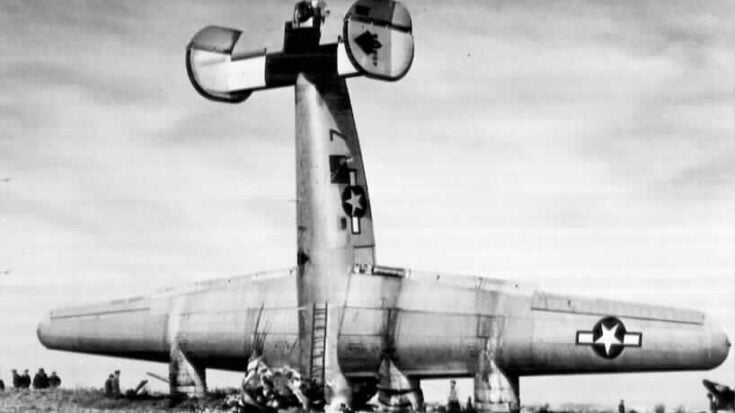
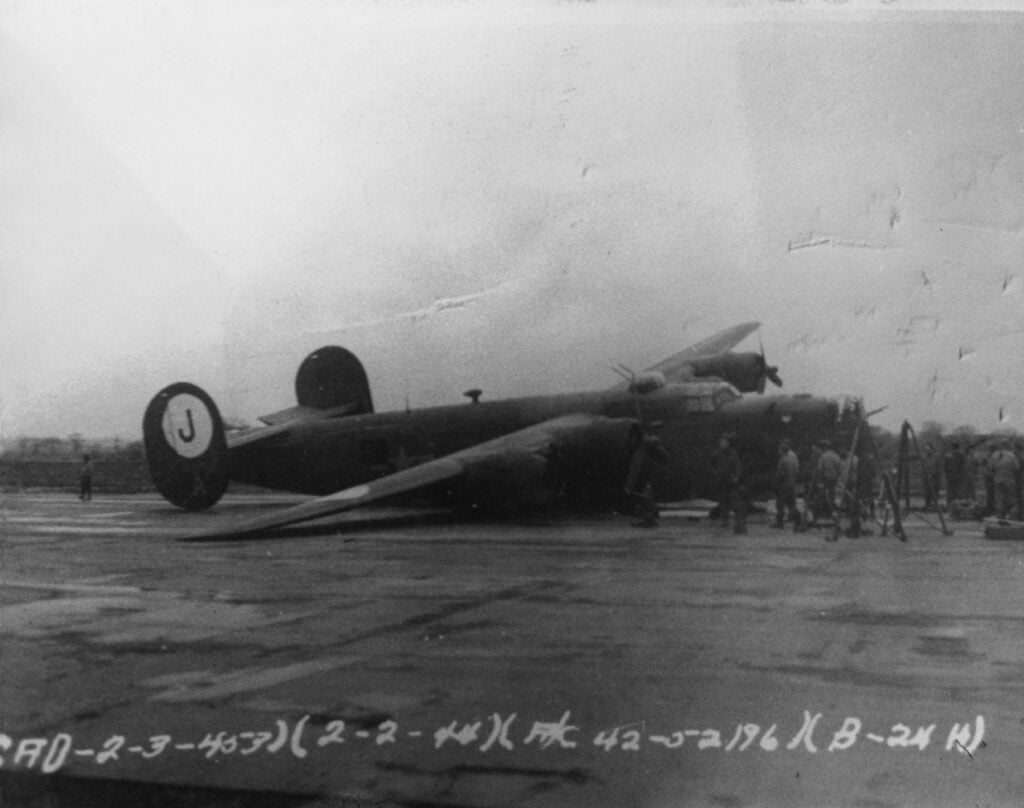
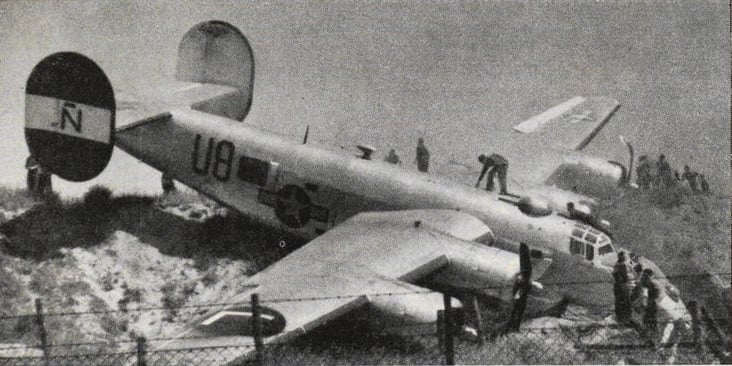
This unpredictability extended beyond combat. Training accidents, mechanical failures, and difficult landings accounted for a significant number of losses. Reports often used neutral language, but crews understood what lay behind those words. The aircraft’s complexity and sensitivity meant that even routine operations could become dangerous under the wrong conditions.
War Across Oceans and Deserts
The Liberator’s range made it essential in regions where distance shaped strategy. In North Africa and the Mediterranean, it allowed Allied forces to strike targets deep behind enemy lines. In the Pacific, where islands were separated by vast stretches of ocean, its ability to travel long distances was not just useful but necessary.
These missions introduced new risks. Navigation over open water required precision, and small errors could lead to catastrophic outcomes. Weather systems in the Pacific were especially dangerous, with storms forming quickly and covering wide areas. Crews sometimes encountered conditions far worse than those predicted during pre-flight briefings.
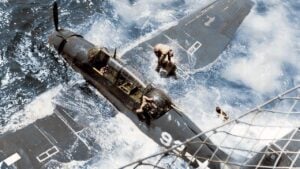
When problems occurred mid-flight, options were limited. A damaged aircraft could not always reach a safe landing site, and ditching in the ocean was rarely as controlled as training suggested. The B-24’s structure made water landings unstable, and many aircraft broke apart on impact or sank quickly, giving crews little time to escape.
Fatigue, Production, and the Final Years
As the war continued, demand for aircraft and crews increased rapidly. Training programs were shortened, and new pilots entered combat with less experience than earlier groups. At the same time, production expanded at an unprecedented rate, with factories such as Willow Run producing bombers in large numbers.
This scale came with challenges. Variations between production batches meant that no two aircraft behaved exactly the same. Crews had to learn the quirks of each plane, often under combat conditions. Maintenance teams worked under pressure, sometimes sending aircraft back into service with unresolved issues.
By the later stages of the war, enemy resistance in some areas had weakened, but the dangers facing B-24 crews remained. Fatigue became a major factor, affecting decision-making and reaction times. Even without direct enemy action, aircraft continued to be lost due to weather, mechanical failure, and the demands of long-distance flight.
For those who flew the Liberator, survival depended on more than skill or courage. It required constant attention, discipline, and a degree of luck. The aircraft’s achievements were significant, but they came with risks that were never fully captured in official records.