

He Saved His Crew With One Foot Gone—Then Vanished Without a Trace: The Story of Leon R. Vance Jr.
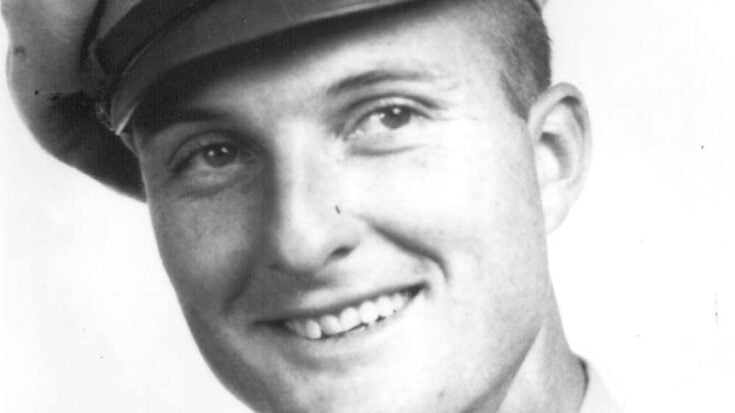
U.S. Air Force Historical Support Division, Public domain, via Wikimedia Commons
A Mission Before Invasion
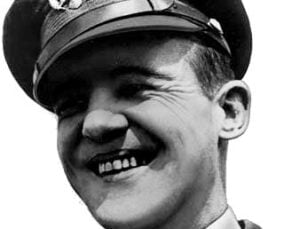
On June 5, 1944, as Allied forces prepared for the long-awaited invasion of Western Europe, one damaged bomber struggled to stay airborne over the English Channel. Inside was Leon Robert Vance Jr., an officer whose actions that morning would later be recognized as extraordinary, though at the time they were driven by urgency and discipline rather than spectacle.
The aircraft was a B-24 Liberator, part of a large bombing effort aimed at German-controlled defenses along the French coast. These raids were closely tied to Operation Overlord, which would begin the next day. Bombers were sent to confuse and weaken coastal defenses, forcing German forces to spread their attention across a wide area.
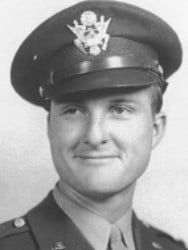
Damage in the Skies
As Vance’s bomber approached its target, anti-aircraft fire intensified. Explosions burst around the formation, sending fragments of steel into the aircraft. One blast struck the cockpit, killing the pilot instantly and severely injuring Vance. Despite this, he took control of the aircraft while the bombardier completed the mission.
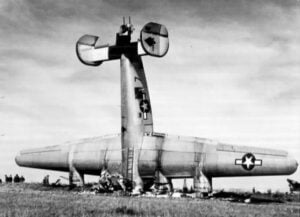
The B-24 was not built to absorb heavy damage. Its long wings and lighter structure gave it range and speed, but also made it vulnerable. By the time the bombs were released, the aircraft had lost critical systems. Engines began to fail, hydraulic lines were destroyed, and the fuselage was riddled with holes. Still, Vance turned the aircraft back toward England.
Holding the Aircraft Together
As the bomber crossed the Channel, its condition worsened. One engine failed completely, then another began to falter. The aircraft steadily lost altitude. Vance, already suffering from a nearly severed foot, continued to direct the remaining crew. Each man adjusted positions and managed what systems still worked, relying on training rather than improvisation.
It soon became clear that reaching land was unlikely. Vance faced a difficult decision. A crash landing in the sea with all aboard would risk total loss of life. Instead, he ordered most of the crew to parachute out over the Channel, where rescue units had a chance of finding them. He chose to remain behind, keeping the aircraft stable long enough for the others to escape safely.
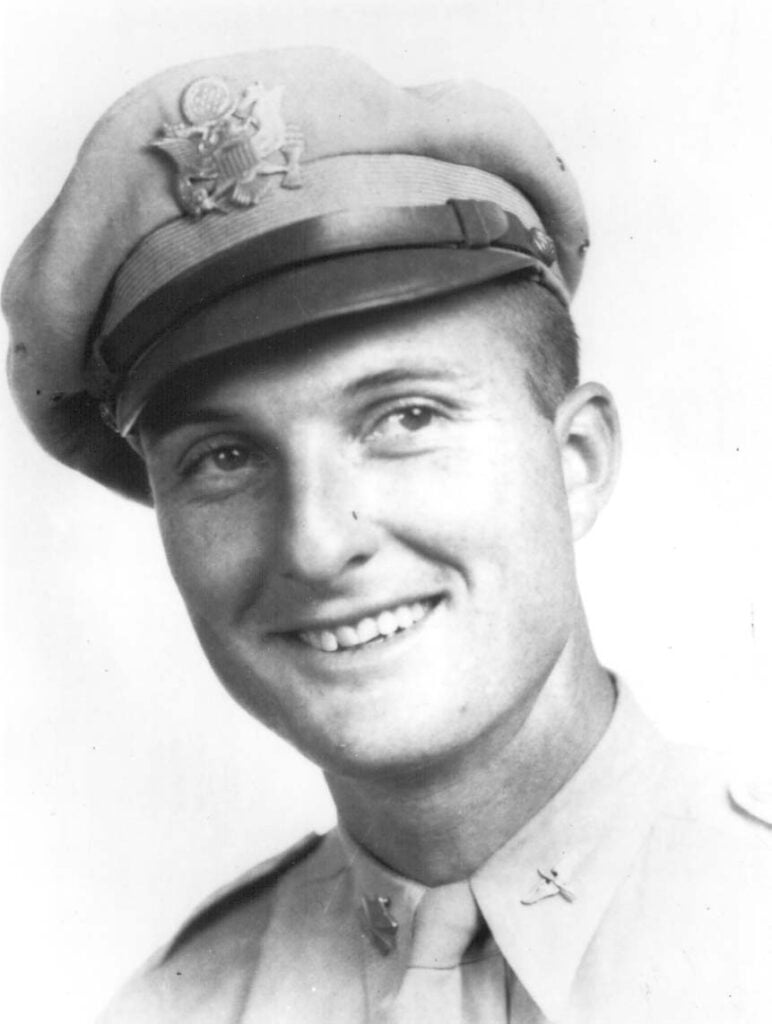
A Controlled Descent
With only one wounded crewman still aboard, Vance guided the failing bomber toward the water. The English coastline came into view, but the aircraft could not maintain altitude. Without functioning landing gear or flaps, a safe landing on land was impossible. Vance prepared for a ditching at sea.
The impact was severe. The aircraft struck the water hard but did not immediately sink. Trapped in the wreckage, Vance freed himself despite his injuries. He then located the wounded crewman and helped him out of the sinking aircraft. Both men reached an inflatable raft before the bomber disappeared beneath the surface.
Rescue and Recognition
Rescue forces arrived within the hour. Vance and the surviving crewman were taken to safety, while other members of the crew were later recovered from the water. Remarkably, every man who had bailed out survived. Vance underwent surgery, resulting in the amputation of his lower leg, but he lived through the ordeal.
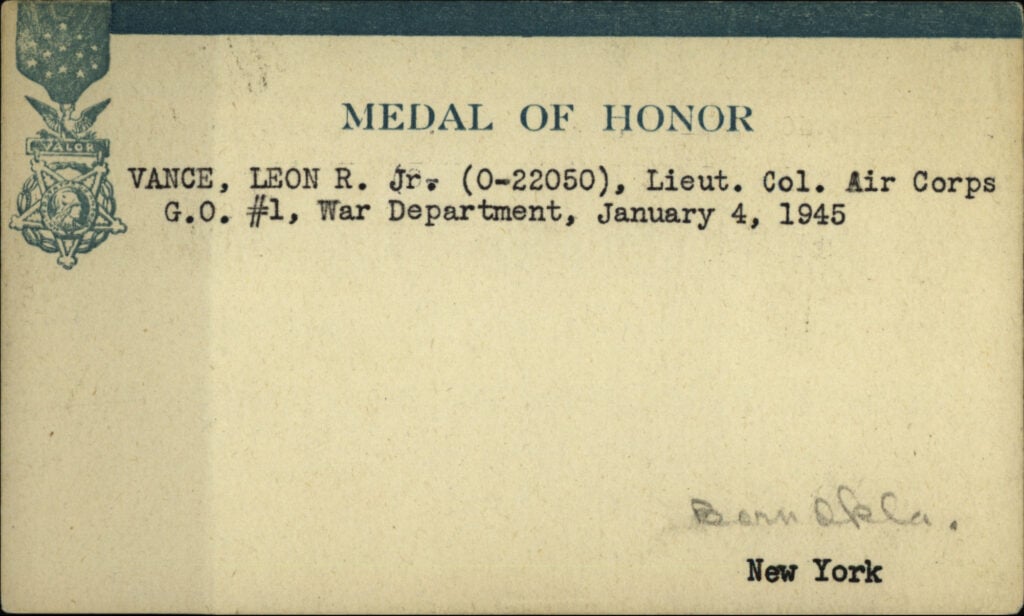
For his actions, he was awarded the Medal of Honor. Official reports summarized the event briefly, but they could not fully capture the sequence of decisions made under extreme pressure. His conduct reflected training, responsibility, and a commitment to the survival of others.
Disappearance Over the Atlantic
Weeks later, on July 26, 1944, Vance boarded a transport aircraft bound for the United States. The plane departed from Scotland and flew out over the Atlantic. It never arrived. No distress signal was received, and no wreckage was found. The aircraft and all aboard vanished without explanation.
In time, his name was given to Vance Air Force Base, ensuring that future generations of pilots would encounter it. Yet the full account of his final combat flight is less widely known, preserved mainly in records and the memories of those who studied the war closely.



.jpg)
.jpg)
