Why the U.S. Navy Destroyed Its F-14 Tomcats
YouTube / Simple History
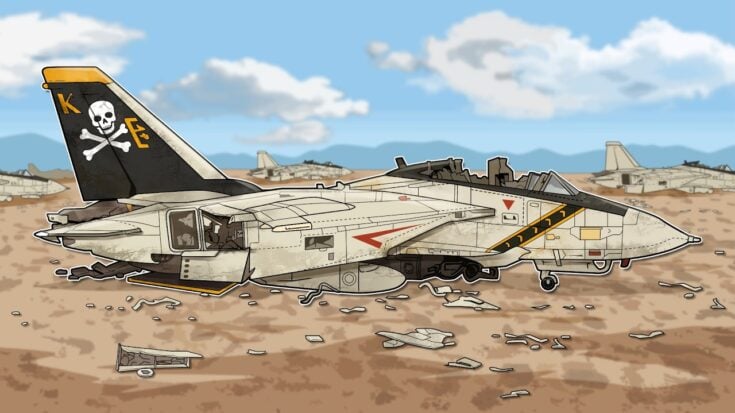
When the Grumman F-14 Tomcat retired in 2006, many assumed it would follow the usual path. Retired fighters are often stored in the Arizona boneyard, stripped for parts, or preserved for future sale. The Tomcat met a far harsher fate.
The U.S. Navy ordered most surviving F-14s destroyed.
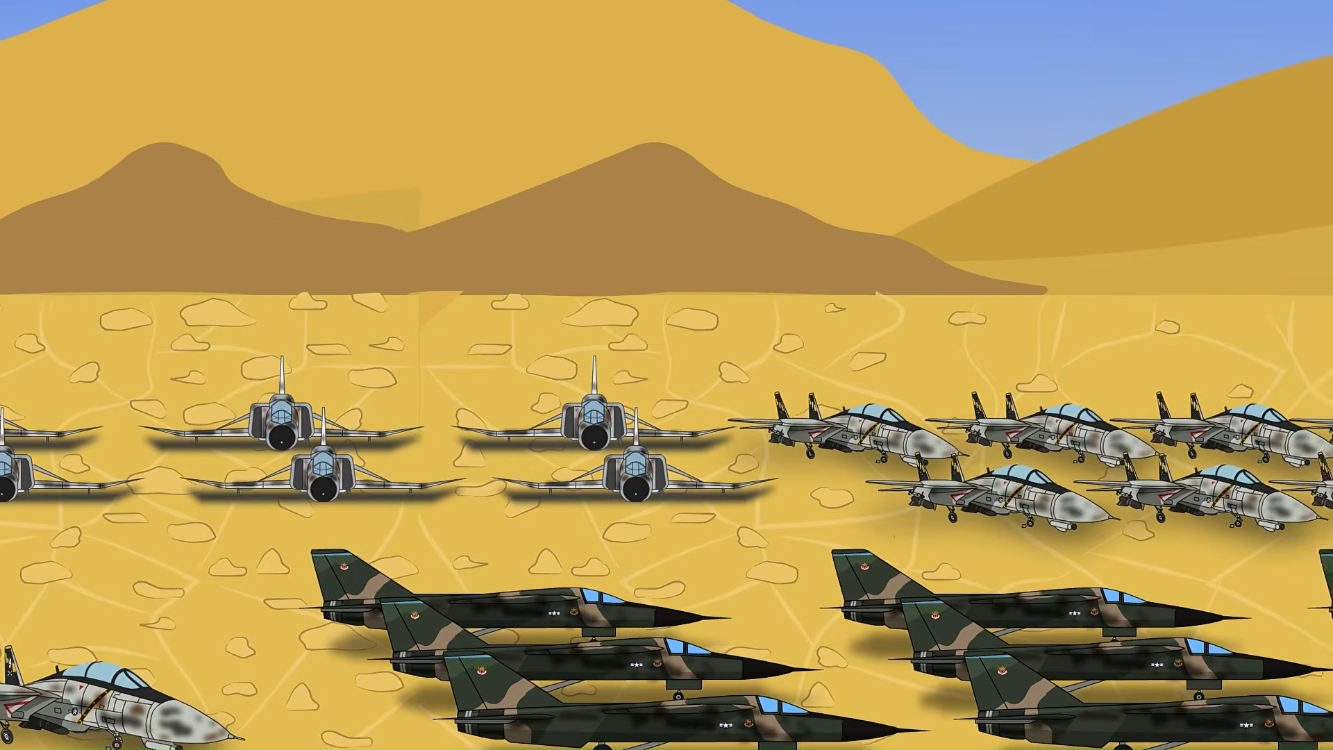
Built to Dominate the Cold War
Introduced in the 1970s, the Tomcat was designed to counter long-range Soviet bombers threatening carrier groups. Its variable-sweep wings adjusted in flight, allowing strong low-speed handling and high-speed performance above Mach 2.
Its real strength came from the AIM-54 Phoenix and the AWG-9 radar system, which could track multiple targets at long range. Combined, the F-14 could engage threats long before they reached a carrier fleet.
The aircraft later adapted into the “Bombcat,” delivering precision strikes in Iraq, Bosnia, and Afghanistan.
Iran Changed Everything
The real reason behind the destruction traces back to Iran.
Before the 1979 revolution, Iran purchased 79 F-14s and hundreds of Phoenix missiles under Shah Mohammad Reza Pahlavi. After the revolution, relations collapsed, but Iran kept the jets.
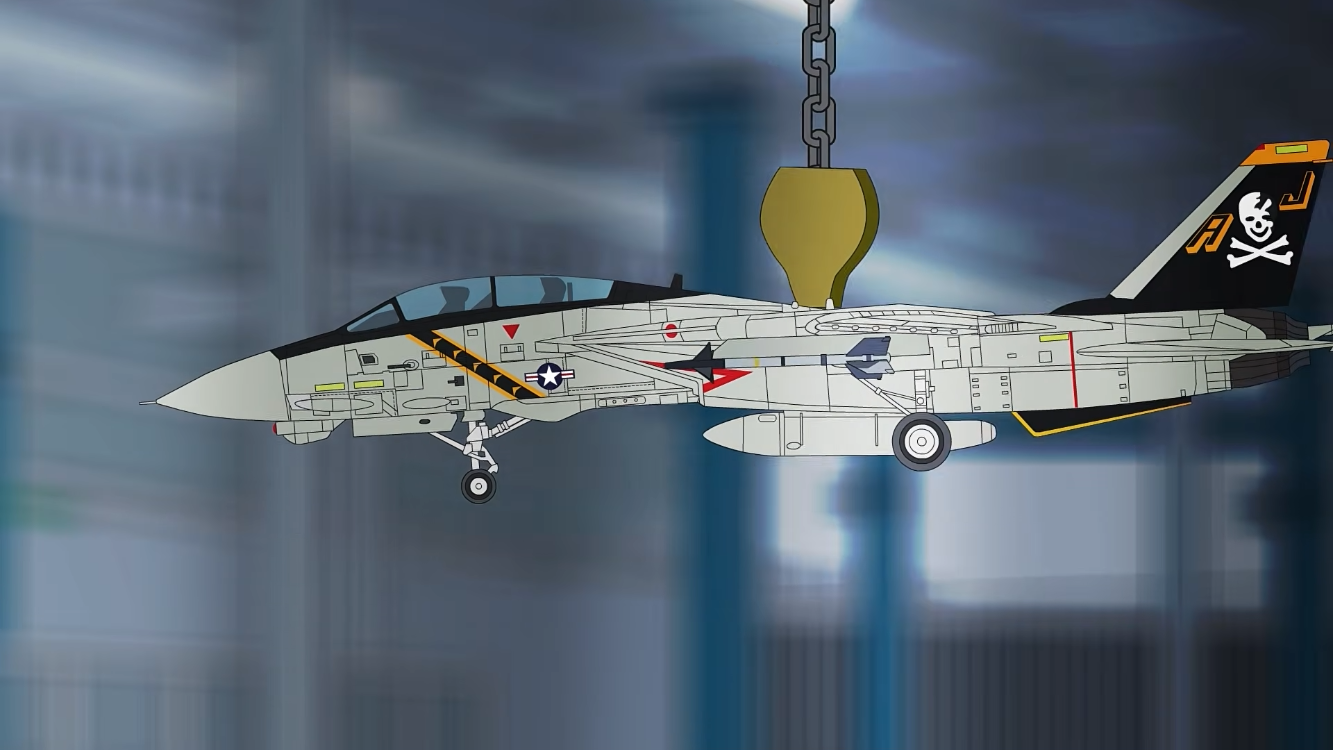
Despite sanctions, Iranian crews managed to keep parts of the fleet operational for decades.
That created a major concern for Washington. Retired U.S. Tomcats could become a source of spare parts through surplus sales, middlemen, or black-market channels.
The Decision to Scrap Them
To eliminate that risk, critical components such as wing boxes were destroyed. These structures enabled the Tomcat’s signature variable-sweep wings.
Then the Navy went further. Around 165 aircraft at Davis-Monthan Air Force Base were shredded into scrap metal.
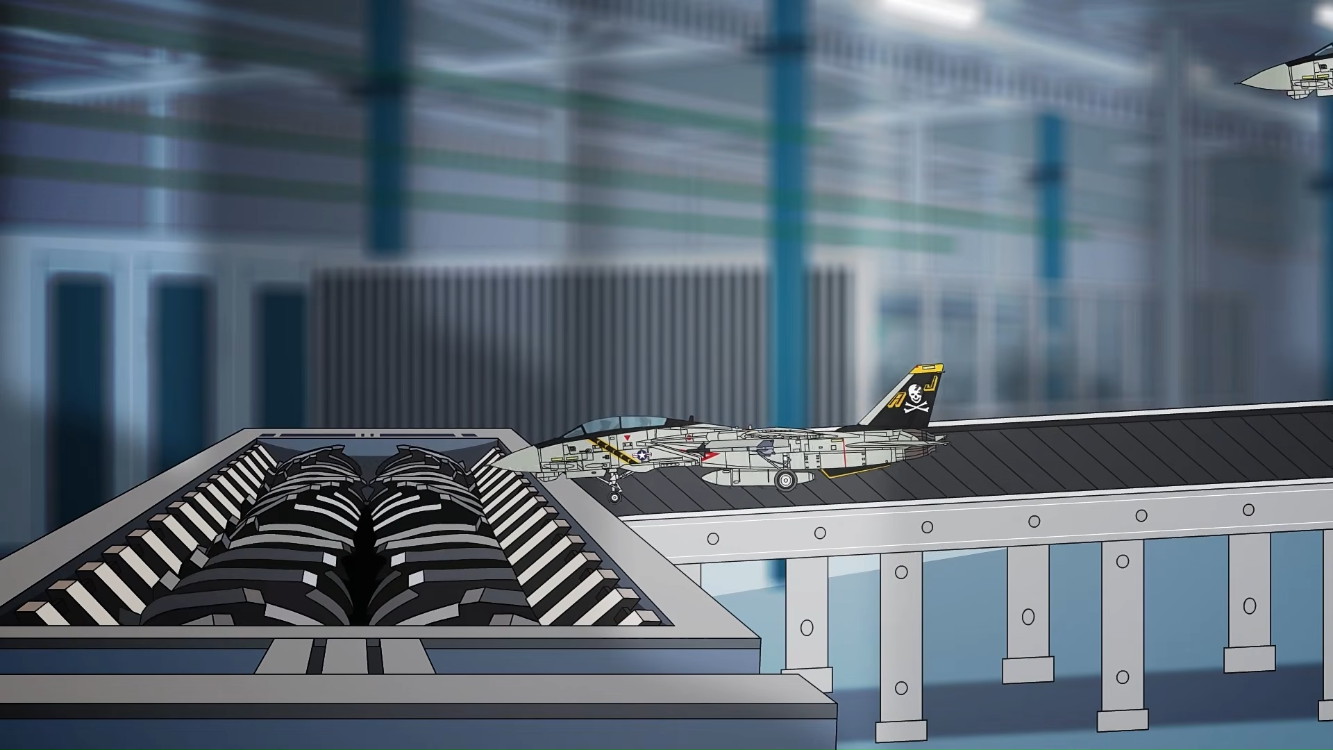
It was a rare ending for one of America’s most iconic fighters. The Tomcat was retired because it was expensive to maintain. It was destroyed because it remained strategically valuable.