Eyewitness Footage Shows U.S. Fighter Pilot Safe on Ground After Ejecting From Jet Mistakenly Shot Down by Kuwaiti Air Defenses
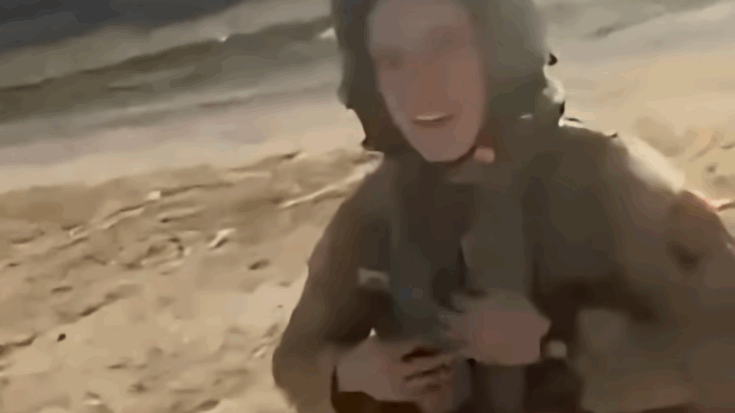
@moneycontrol / YouTube
The Friendly‑Fire Incident Over Kuwait
On March 1, 2026, three U.S. Air Force F‑15E Strike Eagle fighter jets were shot down over Kuwait in an apparent friendly‑fire incident during intense combat operations tied to the ongoing conflict with Iran, U.S. Central Command confirmed. The jets were operating as part of a larger U.S.–Israeli campaign targeting Iranian missiles, drones, and aircraft when Kuwait’s air defense systems mistakenly engaged them.
The strikes occurred amid a wave of Iranian drone and missile attacks that had swept across the Gulf region just days earlier. Kuwait and other regional partners were on high alert, defending their airspace and coordinating with U.S. forces in what was described by military officials as a high‑pressure and fast‑moving combat environment.
Misidentification and Ejection Over Kuwaiti Soil
According to published reports, Kuwait’s air defenses and coalition radar units may have suffered misidentification problems while tracking multiple aerial threats. The U.S. military said the F‑15E fighters were mistakenly shot down by allied defenses while in support of operations against Iranian forces. All six crew members — pilots and weapons officers aboard the three jets — successfully ejected and were recovered in stable condition.
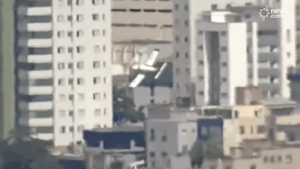
Footage circulating online shows at least one of the F‑15E aircraft falling in a flat spin over Al Jahra, a region in western Kuwait, before crashing to the ground. In several clips shared on social media, parachutes are visible drifting toward the earth as the damaged jets descend.
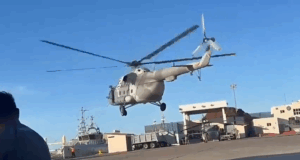
Eyewitness videos also captured what happened after at least one pilot landed. In one clip, a U.S. aircrew member is seen on the ground speaking with local residents shortly after ejecting from the aircraft. One bystander asks, “Are you fine? Really? Do you need something to help you?” to which the pilot replies, “No, I’m okay.” Another clip showed a pilot being helped by civilians and placed into a vehicle after landing.
Kuwait and U.S. Response
Kuwait’s government acknowledged the mistake, and officials from the country expressed their support for U.S. forces and cooperation in rescue efforts. Central Command said that Kuwait is working closely with the United States to investigate how the jets were mistakenly engaged, including reviewing radar tracking and identification friend or foe (IFF) systems.
While the loss of the three jets represents a material setback — each F‑15E Strike Eagle is a high‑performance aircraft used for both air‑to‑air and air‑to‑ground missions — the safe recovery of all aircrew was a priority for coalition forces. Military leaders said the event highlighted challenges that can arise during complex operations where multiple forces and defense networks are operating in shared airspace.
Broader Conflict Context
The friendly‑fire incident adds to the growing list of dramatic developments in the wider conflict triggered by escalating hostilities between the United States, its allies, and Iran. In recent days, Iran has launched missiles and drones targeting U.S. bases and regional partners, leading to ongoing combat operations. Military responses have included strikes against Iranian missile launch sites and other strategic targets. Combat losses and the intensity of operations have underscored how volatile the conflict has become in the Gulf region.
Coalition officials stressed that despite the tragic mistake, Kuwait’s defensive actions had intercepted a large percentage of incoming aerial threats, which likely helped protect critical infrastructure and civilian areas. Investigators continue to analyze the incident to prevent similar misfires as air operations continue.