The Soviet “Fire Hedgehog”: When a Bomber Carried 88 Submachine Guns
YouTube / War Stories with Mark Felton
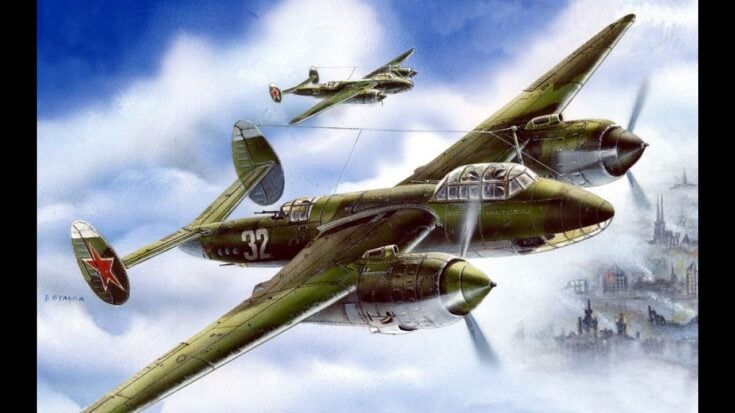
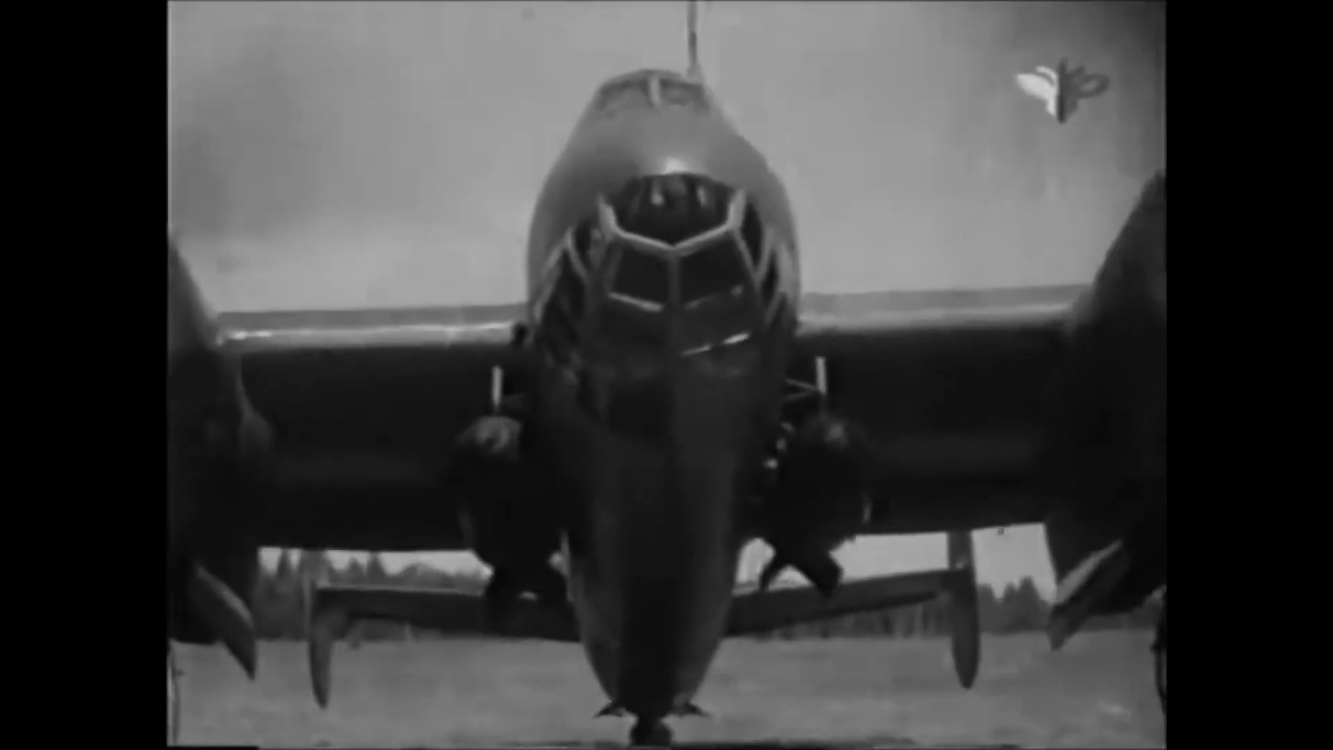
In 1944, as Soviet forces pushed westward across Eastern Europe, engineers searched for new ways to break German ground resistance. One of the most unusual ideas came from designers Nadashkevich and Sevelyev, who proposed turning the reliable Tupolev Tu-2 bomber into a low-level anti-infantry weapon unlike anything seen before.
Their concept became known as the “Fire Hedgehog.”
Turning a Bomber into a Spray Weapon
The Tupolev Tu-2 already had a solid reputation. It was fast, durable, and well-suited for low-altitude attack runs. Instead of redesigning the aircraft, the engineers focused on its bomb bay.
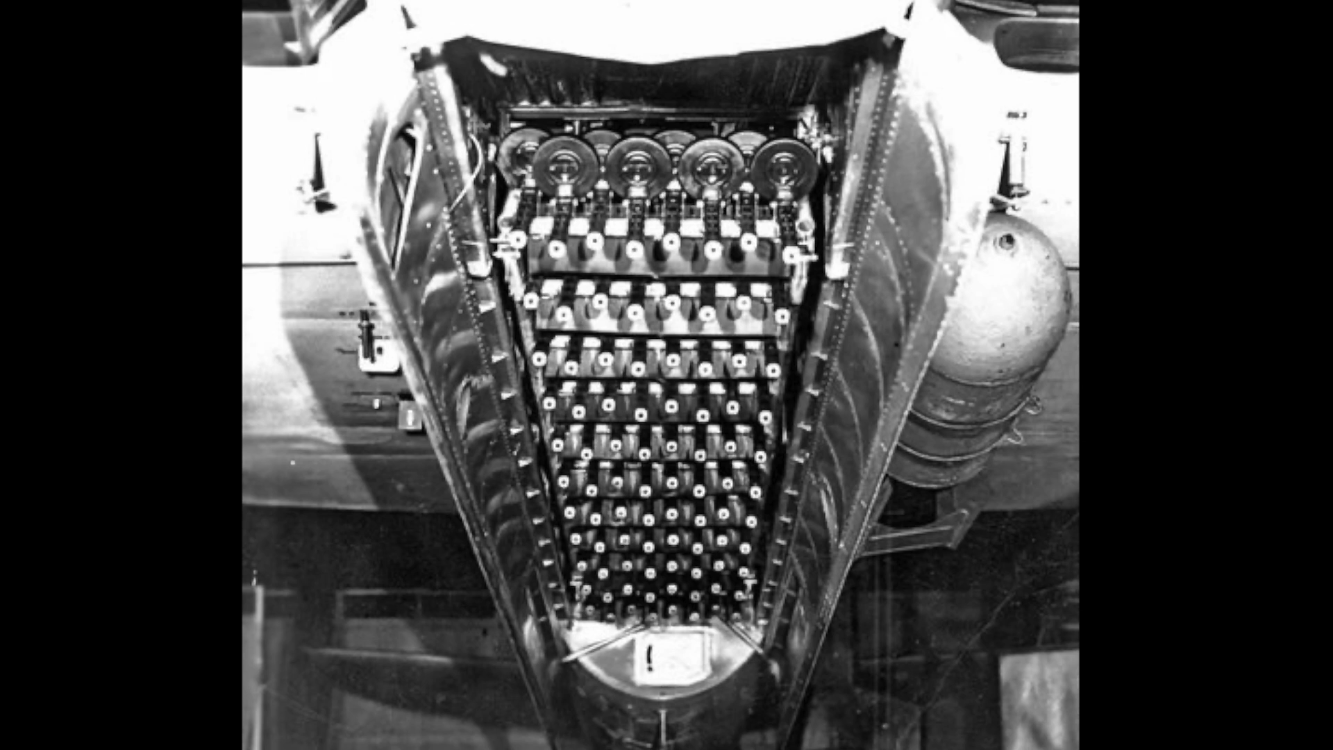
Inside, they installed racks holding dozens of PPSh-41 submachine guns, a weapon normally carried by Soviet infantry. Each gun was loaded with a 50-round drum magazine and angled downward. Early versions mounted 48 guns, but later tests pushed that number to 88.
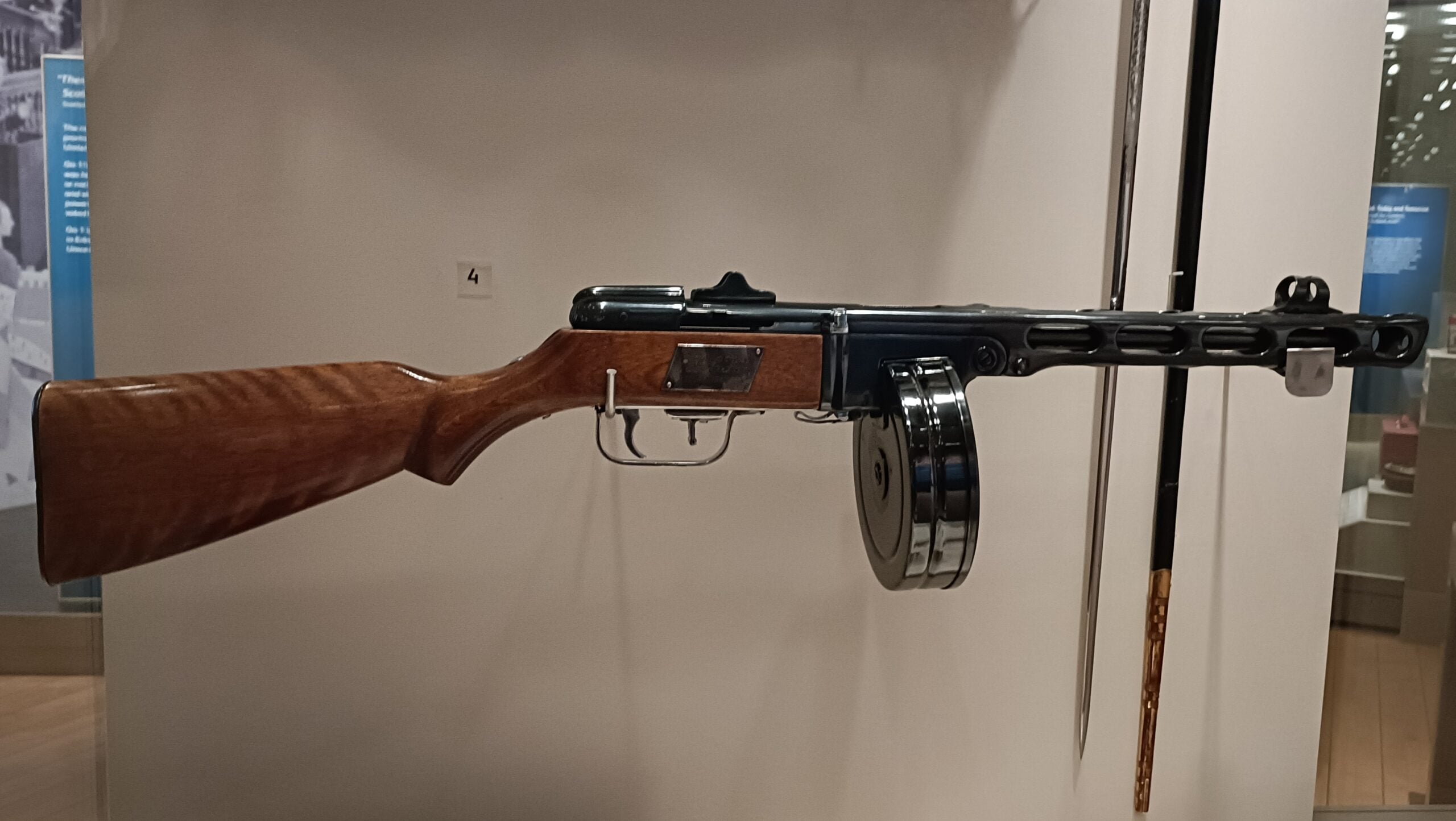
All weapons fired simultaneously at the press of a button.
A Devastating Burst
When activated, the system could unleash more than 6,000 rounds in just a few seconds. The rounds were steel-core incendiary ammunition capable of penetrating light armor and igniting fuel or equipment.
The effect on the ground was highly concentrated. The weapon created a narrow but intense line of fire across a target area, cutting through infantry formations, vehicles, and defensive positions.
In theory, a single pass could devastate troops caught in the open.
The Limits of the Design
Despite its raw firepower, the Fire Hedgehog faced serious practical problems.
Reloading the system proved slow and labor-intensive. Ground crews had to manually service and reinstall dozens of submachine guns after each sortie, which reduced operational efficiency.
Reliability also became an issue. With so many weapons firing at once, jamming was common. Even a few malfunctions could disrupt the effectiveness of the entire system.
The biggest weakness came from its required attack profile. The PPSh-41 had a short effective range, which forced the Tu-2 to fly extremely low, often below 800 feet. At that altitude, the aircraft became highly vulnerable to anti-aircraft fire and small arms.
Why It Was Never Adopted
The Soviet Air Force ultimately rejected the Fire Hedgehog. Conventional bombs and rockets offered greater flexibility, required less maintenance, and allowed aircraft to attack from safer distances.
Even so, the project demonstrated the willingness of Soviet engineers to experiment under wartime pressure. It also reflected a broader pattern of adapting existing weapons in unconventional ways to meet immediate battlefield needs.