They Told Him Never Dogfight a Zero – He Did It Anyway
YouTube / Documentary TV
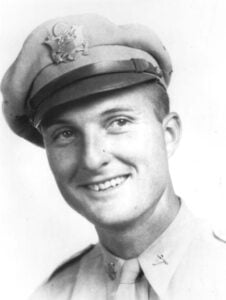
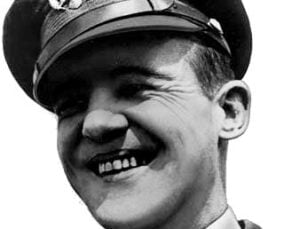
Marine Corps fighter pilot Henry Mayo “Hank” Bourgeois learned early in the Pacific war what every American aviator was taught about the Mitsubishi A6M Zero. Do not turn with it. Keep your speed. Dive away if one gets on your tail. The Zero could outmaneuver almost anything in the sky, and trying to dogfight one usually ended badly.

During a mission over Bougainville in 1943, Bourgeois broke that rule.
Flying an early model F4U Corsair, Bourgeois was escorting dive bombers when Japanese fighters attacked. The engagement quickly dissolved into a sprawling dogfight spread across miles of sky. Separated from his leader, Bourgeois found a Zero closing in behind him. He ducked into a cloud to shake the pursuit. When he burst back into clear air, a Zero appeared directly in front of his guns at close range.
He fired. The Japanese fighter disintegrated.

Moments later, another Zero pressed the attack. Bourgeois repeated the maneuver, using the cloud as cover, then struck again. By the time the fight ended, he had shot down two Zeros and found himself alone in empty sky, low on fuel, returning to base. It was his first true air to air combat.
Why the Corsair Changed the Fight
The early F4U Corsairs Bourgeois flew were powerful, lightweight, and exceptionally fast. Before added armor and modifications increased their weight, they could climb hard, dive faster than a Zero, and retain energy in a fight. Bourgeois logged more than 350 hours in Corsairs and believed their performance gave disciplined pilots a narrow but decisive advantage.

Equally important was firepower. Marine ordnance crews refined ammunition belts mixing armor piercing, incendiary, and tracer rounds. Six .50 caliber machine guns firing in unison delivered destructive results against lightly protected Japanese aircraft. A short burst at close range was often enough.
Combat, Comradeship, and the Black Sheep
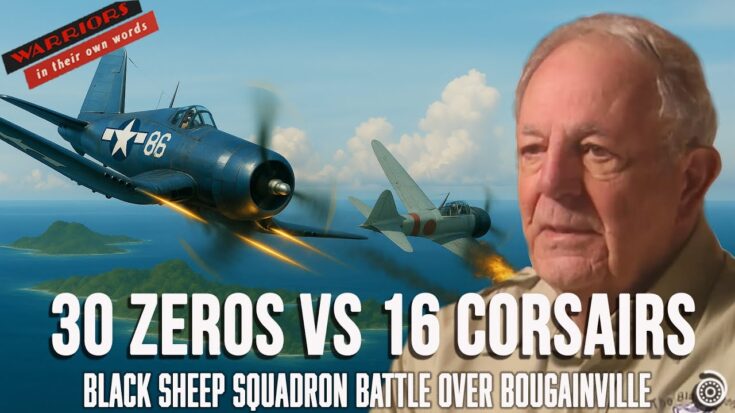
Bourgeois later joined VMF 214, the Black Sheep Squadron, handpicked by Gregory “Pappy” Boyington. He described Boyington as flawed on the ground but relentless and gifted in the air, driven by an aggressive instinct to close with the enemy.

Decades after the war, Bourgeois met a retired Japanese general while working in Japan. Comparing logbooks, they discovered the general had been the Zero pilot who once chased Bourgeois to the edge of his fuel limits. The two became lifelong friends!