Features That Made the P-47 Nearly Indestructible
YouTube / Real Engineering
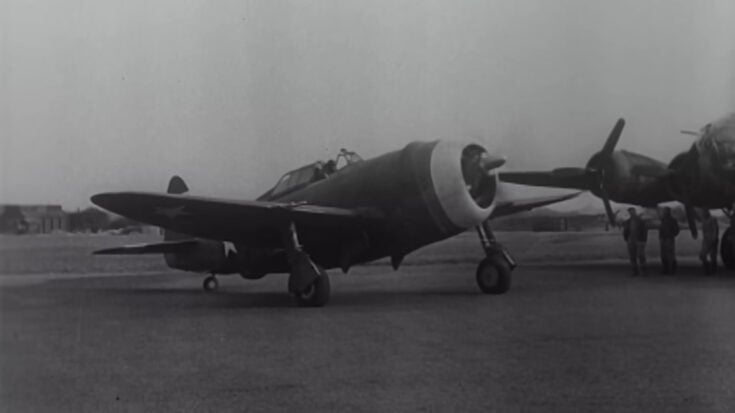
When the P-47 Thunderbolt entered service in 1944 with the distinctive bubble canopy of the D-25 variant, it stood out immediately among Allied fighters. Its reputation was shaped less by performance and more by appearance.

Unlike the streamlined P-51 Mustang or the stylish F4U Corsair, the P-47 was large and heavy, earning nicknames like “Chunky” from its own crews. But every pound of that bulk served a purpose.
Engine and High-Altitude Performance
The heart of the P-47 was the Pratt & Whitney R-2800 Double Wasp, a massive 18-cylinder radial engine with 46 litres of displacement. The fuselage and wings were designed around it, accommodating a complex supercharger system that compressed and cooled air before it reached the engine.

This system, unique at the time, allowed the P-47 to maintain full power even at 27,000 feet, outmatching many Luftwaffe fighters in high-altitude performance. Emergency water injection could temporarily boost horsepower from 2,000 to 2,300, giving pilots crucial bursts of speed during combat or escape.
Flight Characteristics and Limitations
Early P-47s struggled in climbs and tight turns due to their weight and drag, though their roll rate remained excellent. Later variants, starting with the D-22, used larger “paddle” propellers to improve climb rates, surprising enemy pilots accustomed to out-climbing the Thunderbolt.

Range remained a challenge. The P-47’s internal tanks provided only 1.5 to 2 hours of flight, though drop tanks introduced in later variants extended reach by hundreds of kilometers.
Firepower and Durability
Where the P-47 excelled was in firepower and resilience. With eight M2 heavy machine guns and hardpoints capable of carrying over 1,100 kilograms of bombs, it outmatched other single-engine fighters in payload.

Its robust structure, air-cooled engine, self-sealing fuel tanks, and protective armored plates allowed it to sustain damage that would have downed other planes. Pilots could survive crash landings and continue fighting after minor hits, cementing its reputation as “The Jug.”
Role in Europe
The P-47 was not designed as a long-range escort, but as a fast, high-altitude, hit-and-run fighter and bomber support aircraft. In Normandy, forward airfields allowed P-47s to strike deep into German territory. From D-Day to VE Day, the P-47 destroyed 86,000 railway cars, 9,000 locomotives, 6,000 armored vehicles, and 68,000 trucks, providing vital support for advancing Allied troops.

The Thunderbolt’s design traded sleekness for durability, power, and firepower. Its strengths aligned with pilot training and tactics, making it one of the most effective and survivable fighters of World War II. Like the modern A-10, it was built to take and deal damage, excelling at close air support and ensuring it left a lasting mark on the European theater.