

When a Messerschmitt Bf 109 Sliced Through a Boeing B17 Flying Fortress
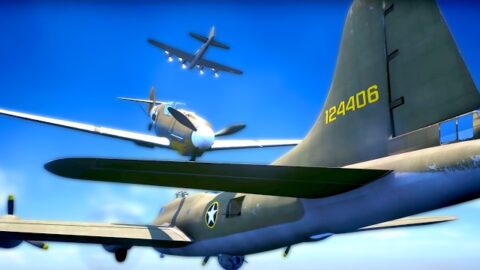
YouTube / Yarnhub
In 1943, American bombers regularly crossed the skies over North Africa, striking Axis targets as part of the broader campaign in Tunisia. Among them was a B-17 Flying Fortress nicknamed All American, a heavily armed bomber designed to endure punishment and still bring its crew home. Missions were dangerous but familiar, with long flights, tight formations, and constant threats from enemy fighters and anti-aircraft fire. On one such mission, the crew of All-American had no idea they were about to experience one of the most extraordinary incidents of the war.
The Mid-Air Collision
As the bomber formation returned from a raid, German fighters moved in to intercept. During the chaos, a Messerschmitt Bf 109 made a high-speed pass that ended in a catastrophic collision with the B17. The impact was devastating. The fighter tore through the rear section of the bomber, leaving its tail nearly severed from the rest of the aircraft.
Inside the B17, the damage was immediately apparent. The tail section was barely attached, control cables were compromised, and part of the structure was hanging open to the sky. It seemed impossible that the aircraft could stay together, let alone continue flying.
Holding Together Against All Odds
Despite the severe damage, the B17 did not break apart. The Flying Fortress lived up to its name. The remaining structure, twisted metal, spars, and skin, somehow held the aircraft together. The crew quickly assessed the situation, working to stabilize the plane while maintaining control.
Remarkably, the bomber remained airborne. The pilots, relying on skill and calm under pressure, kept the aircraft steady as it limped across the North African sky. Every minute in the air was a gamble, as the weakened tail threatened to give way at any moment.
The Long Flight Home
Rather than abandoning the aircraft, the crew made the bold decision to try to return to base. Turning back toward Biskra airfield in Algeria, they nursed the crippled bomber across miles of hostile territory. The flight was slow and tense, with no guarantee that the aircraft would hold together for the journey.
Against all expectations, the B17 reached friendly territory. As it approached the airfield, ground crews could hardly believe what they were seeing: a bomber with its tail nearly torn off, still flying. The landing was carefully executed, and incredibly, the entire crew survived.
Separating Fact from Myth
Over the years, the story of All-American has taken on a life of its own. Some versions claim that parachutes were used to tie the tail section together, while others suggest the aircraft flew impossibly long distances after the collision. While these tales add drama, they are not supported by evidence.
The real story is impressive enough. The survival of the aircraft was due to its rugged design, the partial integrity of its structure, and the skill of its crew. No extraordinary fixes were needed, just determination, training, and a bit of luck.
A Testament to Design and Courage
The incident remains one of the most powerful examples of the durability of the B17 Flying Fortress. Built to withstand heavy damage, it proved capable of surviving even a mid-air collision. At the same time, it highlights the courage and composure of the airmen who refused to give up.
When a Messerschmitt Bf 109 sliced through a B17, it should have ended in disaster. Instead, it became a story of survival, one that continues to capture the imagination of aviation enthusiasts and historians alike.







