

How America’s Strategic Bomber Force Is Dismantling Iran
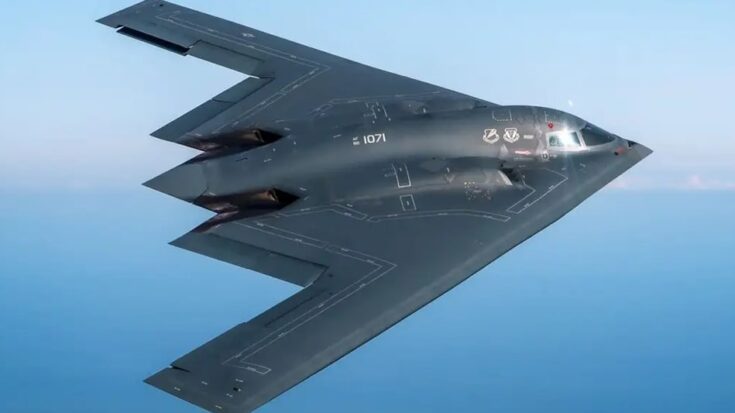
By the fourth day of Operation Epic Fury, all three of America’s strategic bombers were operating over Iran simultaneously. The B-2 Spirit had been striking hardened targets since the opening hours of the campaign. The B-1B Lancer joined with deep penetration strikes over the weekend.
U.S. forces have struck or sunk to the bottom of the ocean more than 20 ships from the Iranian regime. Last night, CENTCOM added a Soleimani-class warship to the list. pic.twitter.com/KgW8cS726P
— U.S. Central Command (@CENTCOM) March 4, 2026
On Tuesday, US Central Command confirmed that B-52 Stratofortresses had entered the fight, targeting ballistic missile facilities and command and control infrastructure across the country. The combined bomber force had struck over 2,000 targets inside Iran by that point.
What Each Bomber Is Doing
The B-2 has led the campaign’s most demanding missions. Admiral Brad Cooper confirmed that B-2s dropped dozens of 2,000-pound penetrator JDAMs in a single hour against deeply buried ballistic missile production sites.

Iranian journalists on the ground in Tehran described devastating bombardment and multiple successive blasts consistent with repeated B-2 passes overhead. The aircraft’s stealth profile allows it to operate over defended airspace without the kind of suppression support other bombers require.
The B-1B Lancer conducted long-range strikes targeting ballistic missile facilities and command infrastructure. General Dan Caine, Chairman of the Joint Chiefs, told reporters those strikes contributed to the establishment of local air superiority over targeted areas, creating conditions that allow follow-on operations with reduced risk to American forces.

The B-52H brings a different capability to the campaign. Capable of carrying approximately 70,000 pounds of mixed ordnance including precision-guided munitions, mines, and missiles, the Stratofortress operates at altitudes up to 50,000 feet at high subsonic speeds. As Iran’s integrated air defense network has been systematically dismantled, the B-52’s operational environment has improved considerably.

Bombers that would have required extensive escort and suppression support at the start of the campaign are now operating with increasing freedom across Iranian airspace.
A Bomber With a Century in Sight
The B-52 first flew on April 15, 1952. It has now flown combat missions in Vietnam, Desert Storm, the Global War on Terror, and Operation Epic Fury. With planned upgrades extending its service life well into the 2050s, the aircraft is on course to become the first military aircraft to remain in service for a full century.







