

The “Crazy” Reload Trick That Saved USS Astoria When One Gunner Manually Fired a Jammed 5-Inch Gun at a Japanese Bomber
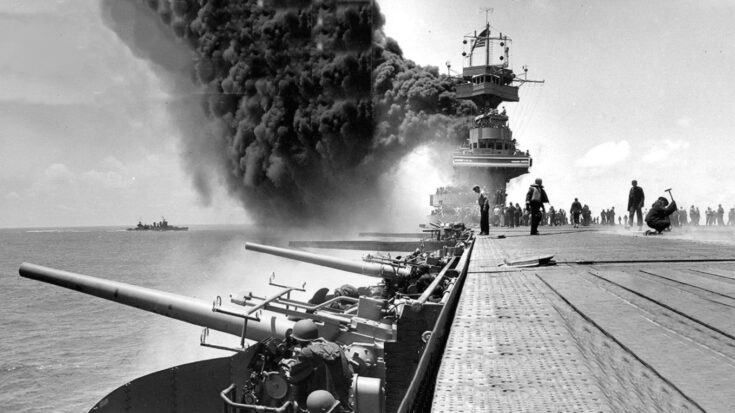
Photographer 2rd Class William G. Roy, USN; post-work Cobatfor, Public domain, via Wikimedia Commons
Smoke and fuel hung over the Pacific as anti-aircraft guns fired without pause. On the heavy cruiser USS Astoria, crews fought heat, noise, and fear. One young gunner stood at a glowing five-inch mount, watching a diving bomber grow larger, knowing seconds now mattered more than training ever suggested could.
The event unfolded during the Battle of Midway in June 1942, when naval air power decided control of the central ocean. American code breakers warned of attack, but Japanese carrier planes still reached U.S. screens. Cruisers like Astoria formed moving walls of fire to shield carriers under constant threat overhead.
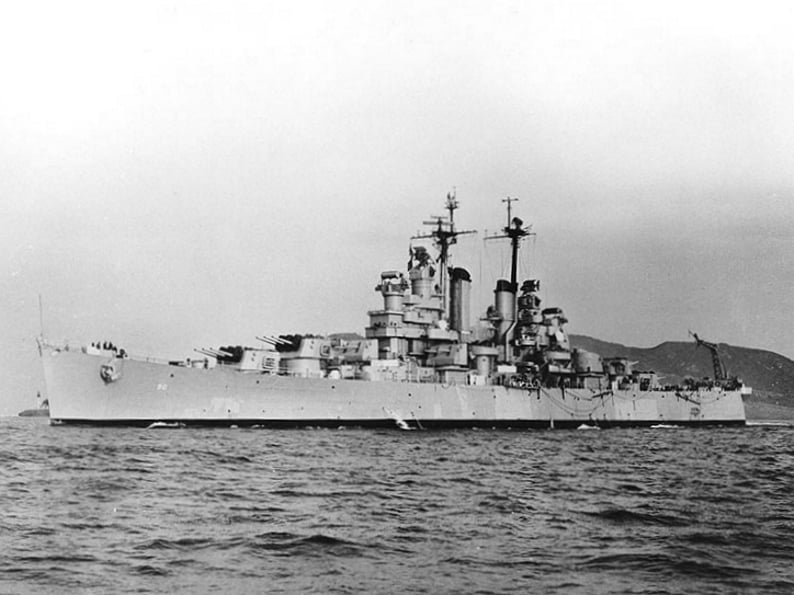
The Cruiser Screen Under Pressure
Astoria was a New Orleans class cruiser assigned to protect fast carriers from torpedo and dive bombers. Her five-inch guns used separate shells and powder cases, demanding teamwork and timing. In battle, mounts overheated quickly, and small errors could stop a gun when it was needed most of the time.
During repeated attacks, crews faced shaking decks, shifting aim, and thick smoke. Barrels glowed from constant firing, and loaders struggled with heavy rounds. Training guided their movements, yet combat forced choices no manual fully covered. Each decision carried risk for ship and crew alike amid relentless air assault overhead daily.
A Gun Jammed at the Worst Moment
As low-flying torpedo planes closed in, one burning aircraft held course toward Astoria. The five-inch mount tracking it slowed as heat expanded metal parts. The loader hesitated, fearing a misfeed. With the bomber seconds from release range, the gunner acted without waiting for orders, driven by instinct and urgency alone.
He seized the shell himself, despite scalding metal and warning rules. Twisting the round into place, he followed with the powder case and slammed the breech shut. The mount fired at close range. The shell burst near the aircraft, tearing control surfaces before the torpedo could drop into open water.
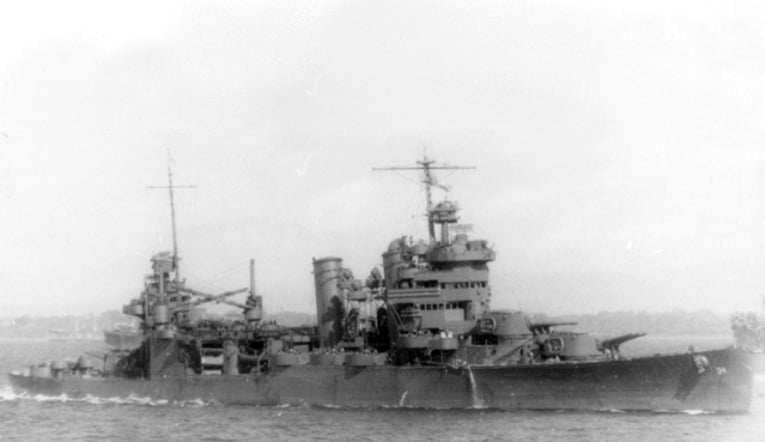
Holding the Line During Midway
The damaged bomber crashed short of the screen, and the gun crew returned to rhythm. Other mounts adjusted pace after seeing the result. Across the formation, combined fire disrupted attacks from multiple directions. Torpedo wakes passed harmlessly astern as carriers maneuvered behind their escorts under constant aerial pressure that morning.
Elsewhere, American dive bombers struck Japanese carriers, shifting the wider battle in minutes. Yet survival of the screen mattered. Each prevented release preserved time and space. Astoria continued firing through alerts and near misses, her crew managing exhaustion while equipment strained near limits under sustained use during intense daylight hours.
Lessons Written in Heat and Steel
Afterward, officers inspected mounts and recorded heat damage. The fast reload was noted as dangerous but effective under pressure. It showed how human judgment could bridge gaps when machinery faltered. Reports from Midway reinforced changes in training, cooling practices, and later development of improved fuses for anti-aircraft defense forces fleetwide.
The battle reshaped naval warfare. Japan lost carriers and veteran air crews, while the United States gained momentum and confidence. Astoria survived without major damage, her crew treating burns and fatigue. The gunner returned to routine duties, aware his action changed only minutes, yet those minutes mattered greatly that day.
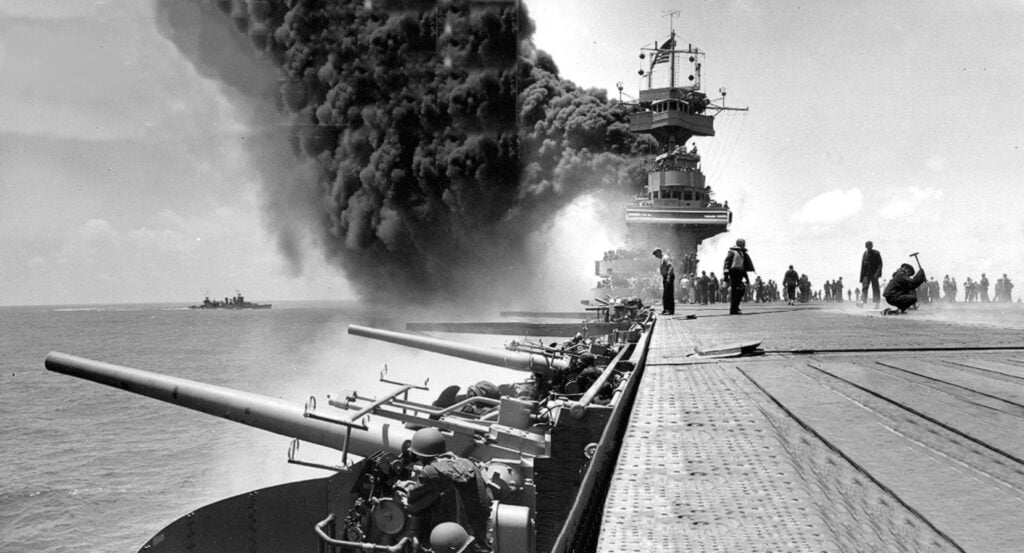
Small Decisions in Massive Battles
Midway proved large battles often turn on brief moments inside cramped spaces. Training prepared crews, but survival depended on adaptability. When equipment reached limits, initiative preserved ships. The gunner did not alter strategy alone, yet his choice denied a weapon its release, protecting lives and hulls nearby within the screen.
The episode became part of quiet shipboard memory rather than legend. It reflected how layered defense worked through people and machines together. Astoria sailed on until later loss elsewhere, but on that day she lived. A single risky reload helped hold the line when margins narrowed to seconds at sea.







_and_Astoria_(CA-34)_at_Midway_1942.jpg)
_underway_at_sea,_circa_in_1947_(NH_98423).jpg)
_off_Guadalcanal_1942.jpg)