The Five Greatest WWII Air Combat Movies of All Time, Ranked
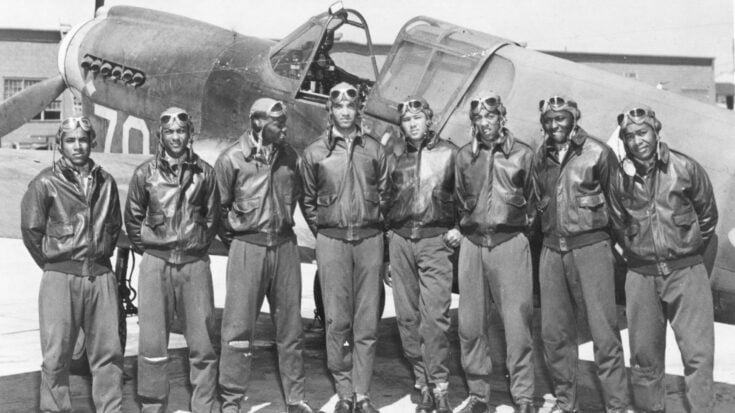
Photo by The original uploader was Signaleer at English Wikipedia., Public domain, via Wikimedia Commons
World War II air combat films have been made for more than seventy years, each trying in its own way to show what aviation meant during the conflict. Some focus on large operations, others on small crews facing impossible odds. Many mix real aircraft, careful research, and dramatic storytelling. When placed side by side, these films reveal how different generations understood the war in the air and the people who fought in it. Below is a look at five of the most enduring titles, arranged by how well they combine historical value, strong filmmaking, and a clear sense of the era.
Command Decision (1948)
This film follows the difficult world of American daylight bombing, explained through the eyes of General Casey, played by Clark Gable. The story begins as Casey struggles to balance heavy losses with the pressure to strike important targets. Every decision he makes carries political and military risks, and the film shows how commanders had to think far beyond the cockpit. Viewers see how fragile public support could be when losses mounted.
Because the script is based on a stage play, the film relies on sharp conversations instead of nonstop action. It pays close attention to how air crews felt each time they took off, knowing that their odds changed depending on the value of the target. Though less known today, it offers a clear study of the high-level decisions behind the bombing campaign and how deeply those decisions affected airmen.

The Flying Leathernecks (1951)
Set during the fighting over Guadalcanal, this movie centers on Major Daniel Kirby and a squadron of Marine pilots flying Wildcats. The film reflects its era, presenting the war in a very straightforward manner and leaning on familiar studio traditions. Much of the flying is shown through stock footage, giving it a dated feel, but the story behind the main character is grounded in real history.
Kirby is modeled on Captain John Smith, a Marine ace who helped lead the Cactus Air Force and earned high recognition for his service. The film shows how stressful command could be, even when the script leans heavily on patriotic themes. While not the most accurate of the era, it remains a window into how early postwar Hollywood portrayed pilots and aviation units.

Red Tails (2012)
This movie revisits the story of the Tuskegee Airmen but places most of its attention on the aerial battles. The flying scenes stand out as some of the strongest depictions of dogfights in modern cinema, with fast pacing and clear details that help viewers follow the action.
However, the drama between those sequences is lighter and less developed. Historians have noted several inaccuracies, including scenes that never occurred and mission details that differ from the records. Even so, the film succeeds in showing the skill of the airmen in combat and remains one of the more visually impressive depictions of WWII aerial fighting.
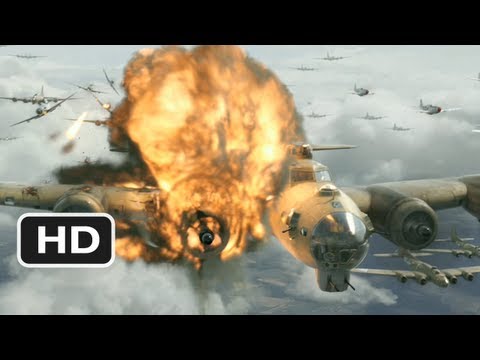
Memphis Belle (1990)
Focusing on a B-17 crew during their final mission, this film presents a fictionalized version of the real aircraft’s last wartime flight. The moments in the air capture the pressure inside a bomber as the crew navigates defensive fire, enemy fighters, and long hours over hostile territory.
Based on a wartime documentary, the movie mixes strong recreations of aerial combat with added dramatic elements. Some scenes feel exaggerated, but the tension inside the bomber is handled with care, making the best sequences stand out as faithful reflections of what air crews faced on long-range missions.

The Battle of Britain (1969)
This remains one of the most ambitious air combat films ever made. It uses real airfields, real aircraft, and large-scale staging to recreate the 1940 fight for control of the skies over the United Kingdom. The story follows both British and German planning, then shifts into repeated waves of engagements that defined the months of the battle.
The film avoids idealizing air combat and instead shows how sustained operations affected pilots and civilians. With practical effects and extensive flying scenes, it continues to be the strongest representation of WWII aviation on film, offering a clear study of how vital the air war became in shaping the course of the conflict.