

Turkey Unveils 680-MPH Combat Drone After Successful Guided Strike Demonstration
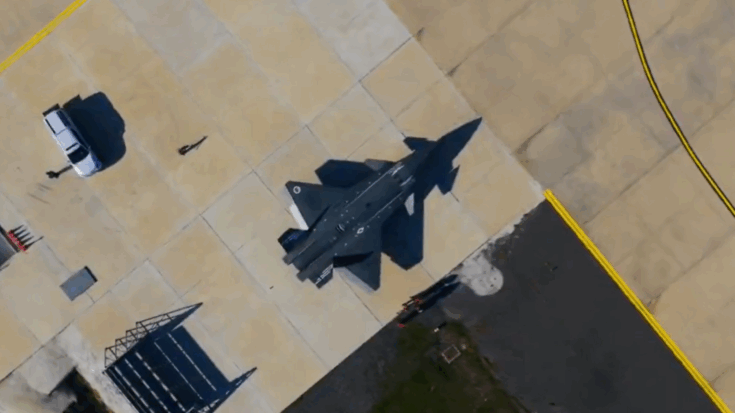
@BaykarTech / X
A New Phase in Uncrewed Air Combat
Modern air warfare is changing as unmanned aircraft take on roles once reserved for human pilots. In March 2026, Turkish defense company Baykar confirmed that its jet-powered Bayraktar Kızılelma completed a successful guided strike demonstration, marking an important moment in the development of combat drones designed to fight alongside traditional fighter jets.
The announcement followed live-fire trials in which the aircraft released precision-guided bombs during flight, proving its ability to conduct real combat missions rather than experimental testing alone. Officials described the event as validation that the aircraft can perform controlled air-to-ground attacks using advanced targeting systems and domestically developed weapons. Reports indicate the tests achieved direct hits, demonstrating stable flight control, accurate targeting, and reliable weapons integration under operational conditions.
Design and Performance Capabilities
The Bayraktar Kızılelma represents a shift from propeller-driven drones toward jet-powered unmanned fighters. Measuring about 14.5 meters in length with a wingspan of roughly 10 meters, the aircraft is powered by a turbofan engine that allows it to reach speeds near Mach 0.9, or approximately 680 miles per hour. Its cruising speed sits around Mach 0.6, enabling long patrol periods while maintaining fuel efficiency. The drone operates at altitudes up to 45,000 feet and has an endurance exceeding three hours, giving commanders flexibility across surveillance and strike missions.
The aircraft carries both internal and external weapons, with a payload capacity close to 1,500 kilograms. Its systems include an active electronically scanned array radar, electro-optical targeting sensors, and secure data links that allow operators to monitor and guide missions from distant control stations. These features enable detection, tracking, and engagement of targets in different weather conditions and at various ranges, placing the aircraft closer in capability to crewed fighter platforms than earlier unmanned systems.
Guided Weapons and Strike Testing
During the latest trials, engineers equipped the aircraft with Turkish guidance kits designed to convert standard bombs into precision weapons. One system uses semi-active laser guidance to strike stationary or moving targets, including armored vehicles or fortified positions. Another combines laser tracking with satellite navigation, allowing operators to program targets before launch or adjust aim during flight while maintaining high accuracy.
These systems expand the aircraft’s combat usefulness beyond reconnaissance roles. By confirming stable weapon release from a fast jet-powered drone, the tests demonstrated that unmanned fighters can carry out controlled strike missions similar to those performed by traditional attack aircraft. Analysts note that this capability reduces risk to pilots while maintaining strong strike potential in contested airspace.
Loyal Wingman Concept and Strategic Role
The Kızılelma is designed around the “loyal wingman” idea, where unmanned aircraft operate alongside crewed fighters. In this model, drones can scout ahead, conduct electronic warfare, or draw enemy attention away from piloted aircraft. The system has already flown formation missions with fighter jets during testing, showing how mixed formations could operate in future combat environments.
Unlike earlier drones focused mainly on surveillance, this aircraft is intended to participate directly in air combat operations. Tests have also shown the platform firing advanced missiles and successfully engaging aerial targets, proving that unmanned fighters can complete complex combat chains involving detection, tracking, and interception without a pilot onboard.

Naval Operations and Industrial Development
Another defining feature of the aircraft is its ability to operate from short runways and naval vessels, including Turkey’s amphibious assault ship TCG Anadolu. This capability allows unmanned fighters to extend airpower into maritime regions where large aircraft carriers may not be available. Engineers designed the aircraft with a low radar profile and autonomous flight functions covering takeoff, landing, and mission execution.
The program also reflects a wider effort to build a domestic defense ecosystem. Baykar leads aircraft development, while companies such as ASELSAN and ROKETSAN supply sensors and munitions. With initial deliveries expected in 2026, the Kızılelma stands among the earliest jet-powered unmanned fighters approaching operational service, signaling a broader shift toward cooperative combat between humans and autonomous aircraft.






