Watch Two Men Discover Wreckage of Missing Plane While Four-Wheeling
9NEWS / YouTube
A Day on Mosquito Pass
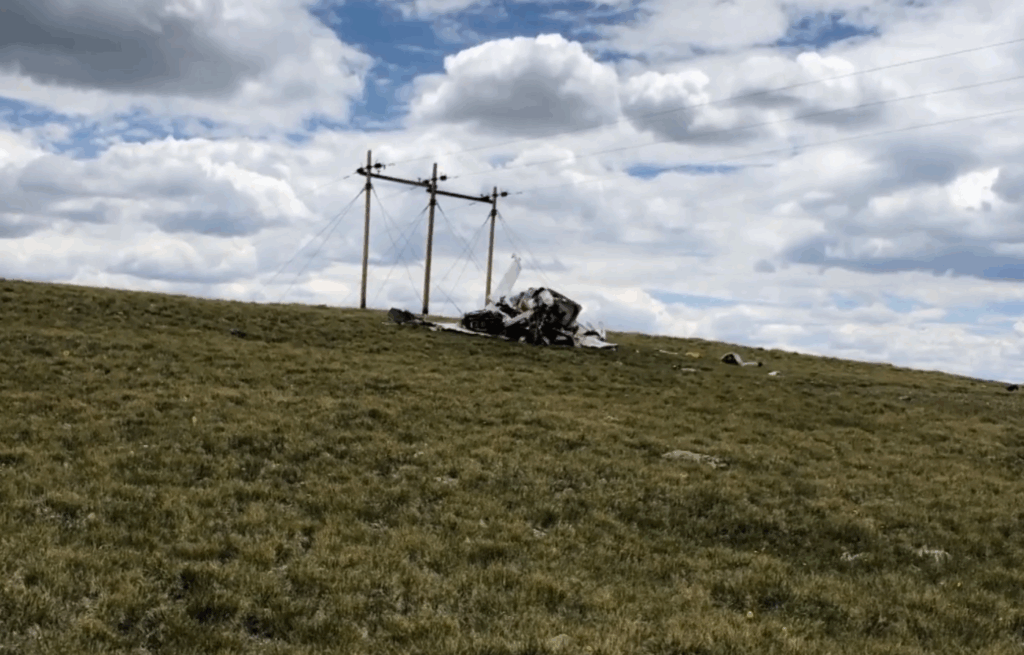
One warm afternoon in July 2018, two men were riding their four-wheel vehicles along Mosquito Pass, a high mountain track east of Leadville, Colorado, when something unusual caught their attention. Pat Wester looked toward a distant slope and noticed a shape that did not match the rocky landscape. After a few moments, he pointed it out to his son-in-law, Jon Cook. The two stopped and studied the shape with binoculars. What they saw did not fit the pattern of rocks or fallen trees. It had straight lines and metal parts, and that made them stop and take a closer look.
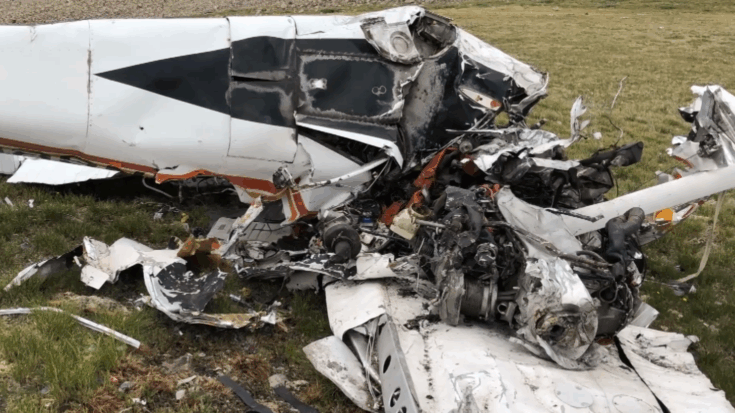
Cook began to walk down the steep trail to get a better view. As he climbed toward the object, the wreckage of an aircraft became clearer. The metal body and bent parts showed it had hit the ground hard. Pieces were scattered in the brush, and one section looked as if it had folded back on itself, as happens in high-impact crashes. At that moment, Cook feared what he might find. What he soon discovered confirmed his worry. He saw human remains where the plane lay.
A Plane Missing for Months
The small aircraft was a Cessna 210 Centurion. The pilot, 67-year-old Quentin Aschoff of Bend, Oregon, had taken off early in April from Erie Municipal Airport with plans to fly to Richfield, Utah. The single-engine plane disappeared from radar soon after departure, and he never arrived at his destination. Because he had not filed a flight plan and the aircraft lacked an operating transponder, officials had little information about where to search.
In the weeks that followed, rescue crews used about ten aircraft to scan some 120 square miles of remote mountain land. They flew over rough terrain and snowy areas in hopes of spotting any sign of the missing pilot or his plane. Heavy forest and snow cover made this work very difficult, and after two weeks of searching no wreckage was found.
Finding What Was Lost
When Pat and Cook reached the crash site, they realized the plane lay well west of where earlier searches had focused. Mosquito Pass led through rugged ridges and deep valleys that made the site hard to detect from the air. The wreck was at a high elevation, in a spot where weather and shadows could hide it for months.
Their discovery ended a long period of uncertainty for local search teams and for the family of the missing pilot. The crash scene provided a final answer to where the aircraft had come down, and brought a measure of closure to those who had worked to find him since spring.