When 85 Japanese Planes Crushed Two British Warships and Shattered Britain’s Power in the Pacific
Rod Macdonald / YouTube
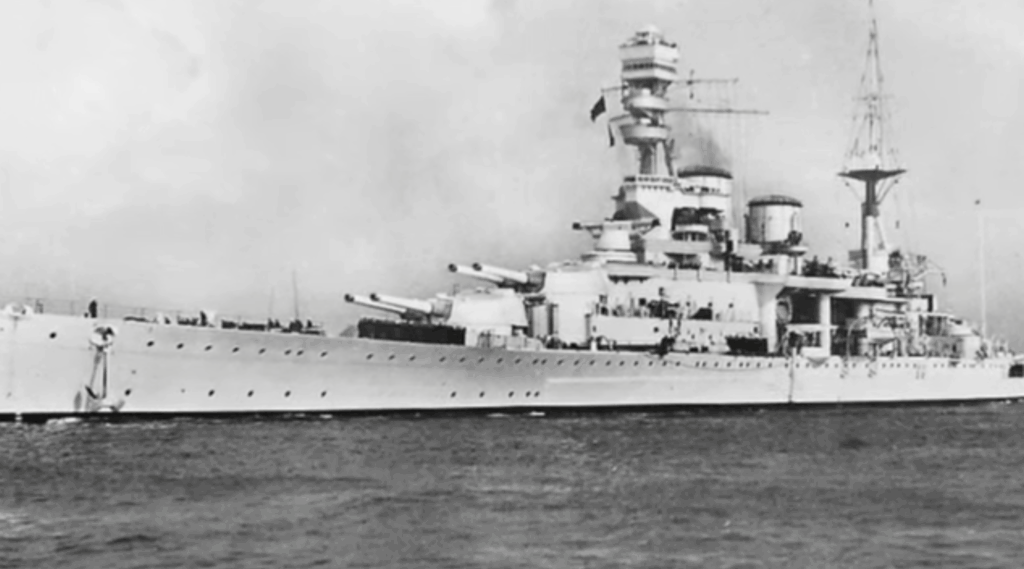
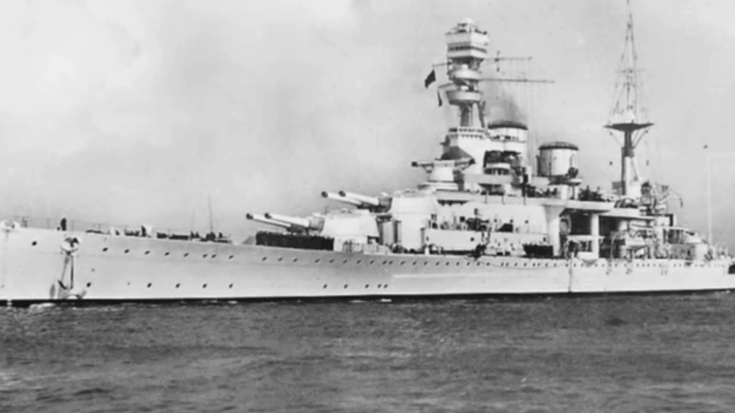
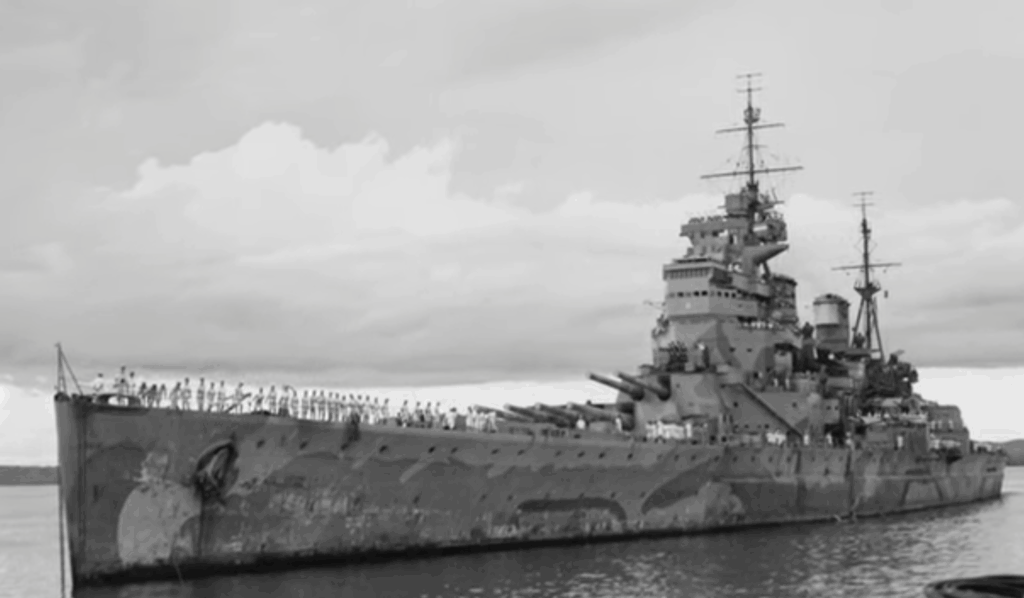
At dawn on December 10, 1941, a British naval force moved quietly off the coast of Malaya. Known as Task Force Z, it was sent to strike what commanders believed were Japanese landings near Kuantan. Radio silence was strict, and hopes rested on surprise. At its center sailed the battleship HMS Prince of Wales and the battlecruiser HMS Repulse, symbols of British sea power in Asia.
The plan unraveled quickly. A distress signal from the destroyer Tenedos confirmed the worst fear. Japanese aircraft had found the force. With no friendly air cover nearby, the ships now faced danger from above, a threat still not fully accepted by many naval leaders at the time.
The First Bombs Fall
Japanese bombers soon emerged from the clouds. Their first target was HMS Repulse, commanded by Captain William Tennant. High-level bombs splashed around the ship before one struck near the seaplane hangar. The blast killed and wounded sailors but did not slow her speed. Repulse continued maneuvering, her crew calm and disciplined despite the shock.
Aboard Prince of Wales, Captain John “Jack” Leach ordered action stations. More aircraft appeared, far more than expected. Dozens of bombers split into formations, approaching from different angles to weaken anti-aircraft fire. Admiral Sir Tom Phillips allowed captains freedom to maneuver, knowing rigid formations would invite disaster.
Torpedoes Change the Battle
British lookouts soon realized the attackers carried torpedoes. Japanese aircraft skimmed low over the sea, faster than expected. Anti-aircraft shells burst behind them, failing to stop the approach. Despite intense fire, the attackers pressed on, releasing torpedoes at close range.
Prince of Wales tried to turn through the torpedo tracks, but the effort failed. One torpedo struck her port side, causing limited flooding. A second hit near the stern tore open the hull and flooded vital machinery spaces. Water rushed in, power failed, and steering was lost. The battleship slowed and began to list.
A Struggle to Stay Afloat
Damage control teams fought waist-deep in rising water, but the situation worsened. With electrical systems damaged, gun mounts lost effectiveness. Captain Leach ordered controlled flooding on the starboard side to reduce the list, allowing some guns to keep firing. It was a desperate balance between stability and survival.
Another wave followed. Torpedoes struck again, tearing open unarmored sections of the hull. Prince of Wales became nearly helpless, her movement limited and her decks exposed. Sailors fired small arms alongside heavy guns, knowing it would change little against aircraft moving so fast and low.
Repulse Fights Back
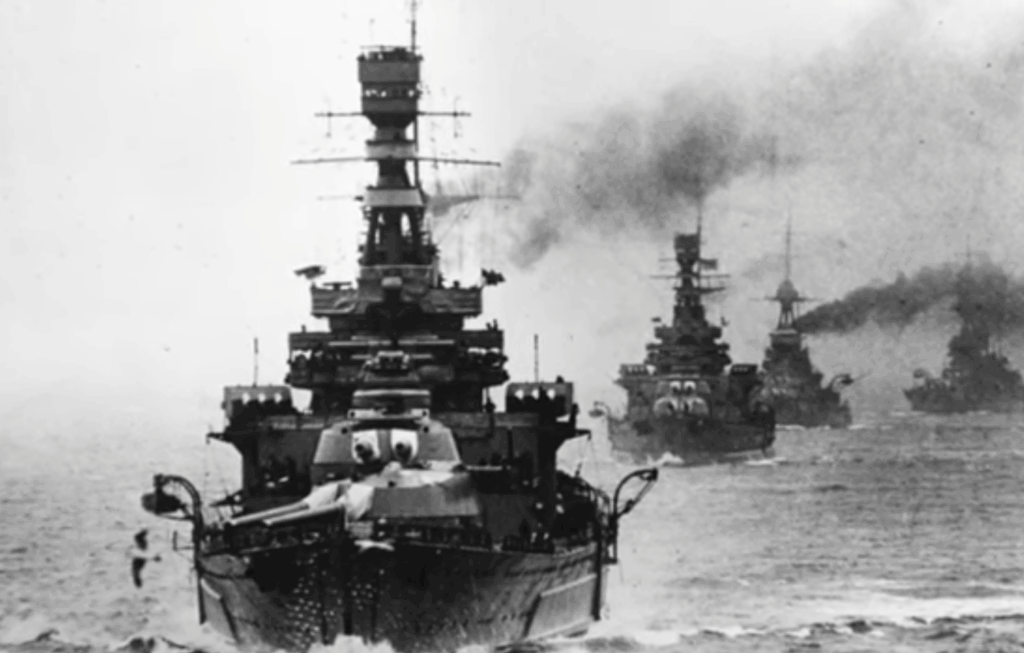
While Prince of Wales struggled, Repulse displayed remarkable agility. Captain Tennant turned sharply toward incoming torpedoes, steering his ship through white trails in the water. Crew members later counted nineteen torpedoes avoided through skillful handling. Even bombs dropped from high altitude failed to hit.
This success could not last. Around midday, a new coordinated attack began. Torpedo bombers approached Repulse from both sides. Tennant turned to avoid one group, only to expose the ship to another. Torpedoes struck, damaging engines and jamming the rudder. Repulse began steaming in circles.
The End of Repulse
Further hits followed in quick order. Flooding spread through lower decks, and power failed. Despite heavy fire, only a few attacking aircraft were shot down. With the ship listing badly, Tennant ordered the crew to abandon ship. Discipline held. Men remained at their posts until the order was given.
Within minutes, Repulse rolled to port. Sailors slid down the rising hull and jumped into oil-covered water. Some below decks never heard the order and were lost. Eleven minutes after the first torpedo strike, the ship vanished beneath the sea, her captain surviving to be rescued nearby.
Prince of Wales Faces Fate
Even after Repulse sank, attacks continued. High-level bombers dropped heavy bombs, one striking Prince of Wales and sealing her fate. By early afternoon, she had taken on thousands of tons of water. Captain Leach ordered wounded men evacuated, but refused to leave himself.
Leach addressed remaining crew members, asking for volunteers to help save the ship, though he knew hope was gone. A few stepped forward. Most crossed to the destroyer Express using ropes and makeshift lines. As the list worsened, the gap widened and cables snapped.
Loss and Aftermath
With no options left, Leach ordered abandon ship. Admiral Phillips remained aboard until near the end. At 1:24 p.m., Prince of Wales rolled over and sank. Both senior officers were lost. Britain had lost its most powerful warships in the region within hours.
The sinking shocked the world. It proved battleships could not survive without air cover. More than eight hundred British sailors died. Decades later, the wrecks remain war graves. In 2023, authorities detained a vessel suspected of looting artifacts from the sites, a reminder that the story of Task Force Z still carries weight today.