

When Engineering Went Wrong: The WWII Plane Betrayed by Its Own Engine
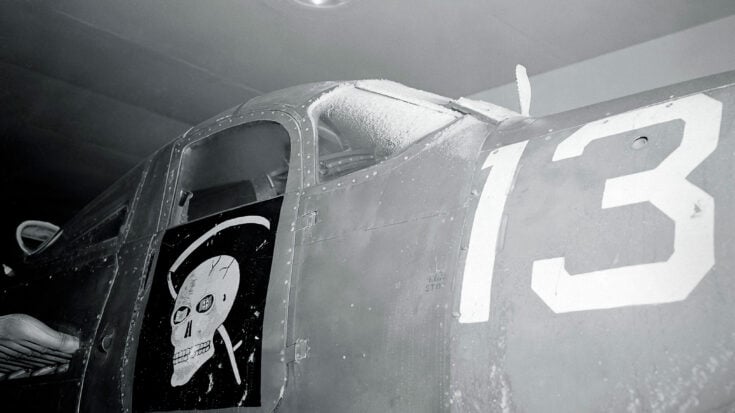
NASA Glenn Research Center, Public domain, via Wikimedia Commons
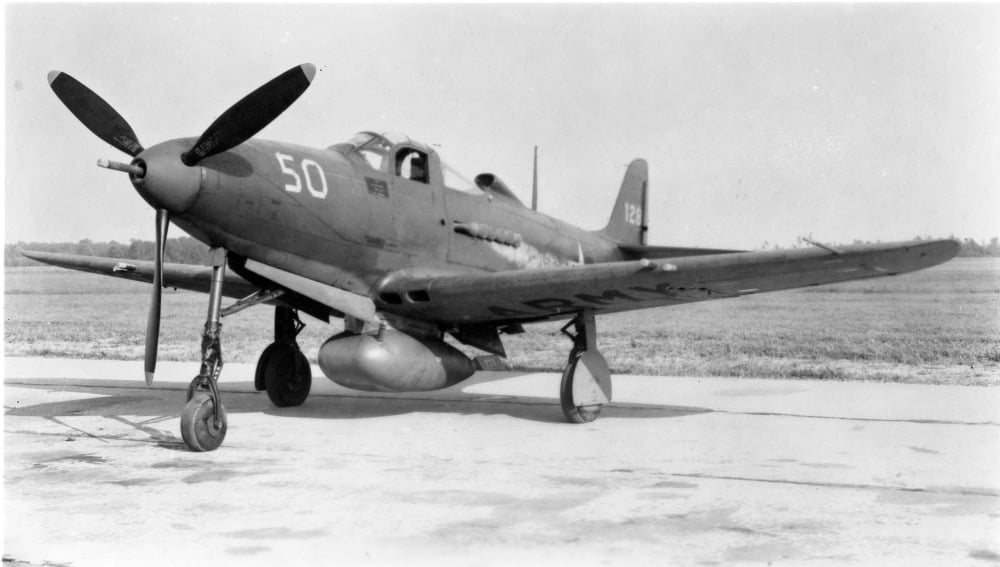
The Bell P-39 Airacobra entered American service in 1941 with numbers that looked impressive on paper. It carried a 37 mm cannon firing through the propeller hub, the heaviest weapon mounted on a U.S. fighter at the time. Designers promised high speed and strong firepower, and the Army Air Corps expected it to control the air. Training units prepared pilots, and combat squadrons took the aircraft overseas believing it would meet those expectations.
Once deployed, the aircraft revealed problems that were not obvious during trials. Pilots did not describe it as slow or outdated. Instead, they found it unpredictable. Loss of control during climbing turns and sudden engine trouble at altitude became common reports. These issues were not caused by poor skill or tactics. They traced back to a core design choice that could not be corrected in combat zones.
A Bold Design Choice
The P-39 placed its Allison V-1710 engine behind the pilot instead of in the nose. This allowed the large cannon to fire directly through the propeller shaft and freed space for machine guns. Engineers also believed the layout would balance the aircraft better in flight. Power reached the propeller through a long extension shaft running under the cockpit floor.
On the drawing board, the idea made sense. The aircraft met weight targets and passed early evaluations. Another decision followed from doctrine rather than engineering limits. The Army removed the turbocharger because leaders believed the fighter would operate mainly below 15,000 feet. Test flights at moderate heights showed acceptable performance, so production moved forward without major concern.
Testing Versus Combat Reality
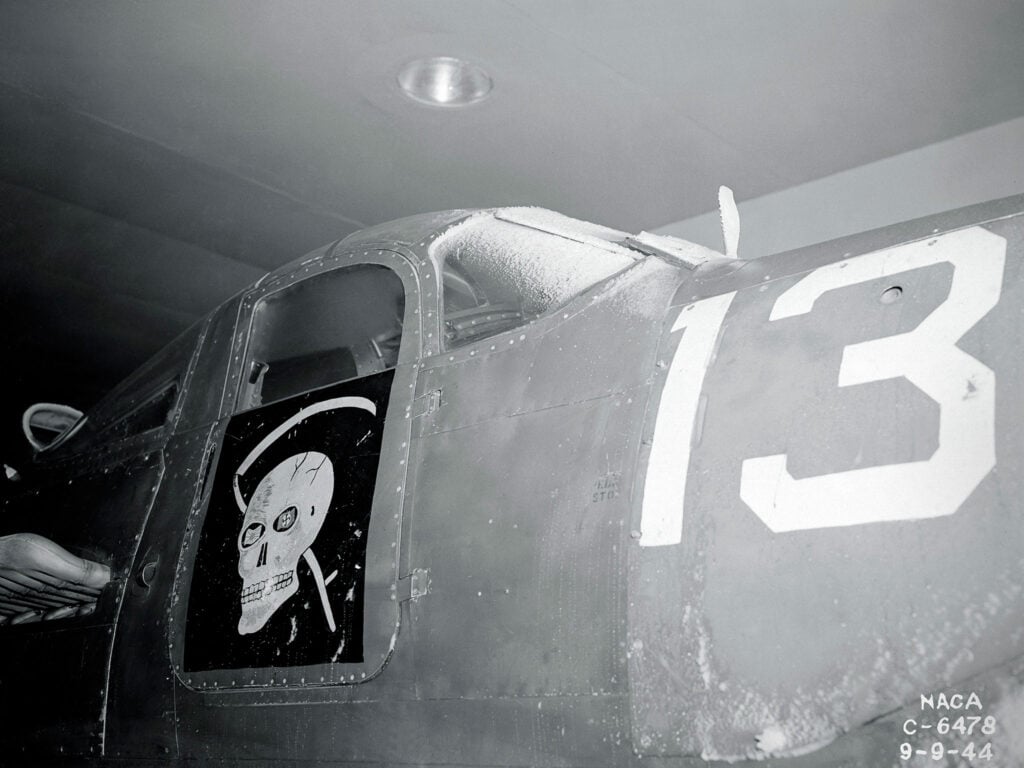
What testing did not show was how the engine layout behaved under long combat strain. The extension shaft carried torque through several feet of fuselage. Any vibration or imbalance traveled along that shaft. Cooling added more risk. Radiators sat in the wing roots, with long coolant lines running from the rear engine forward.
In calm test conditions, these systems worked well enough. In the Pacific, they faced heat, dust, and long climbs. Missions required pilots to chase enemy aircraft flying well above 20,000 feet. Without a turbocharger, power dropped quickly as altitude increased. Pilots pushed engines harder than designers expected.
Failure in the Air
Early warning signs appeared as vibration, oil leaks, and rising coolant temperatures. These problems were logged but not acted on fast enough. In late 1942, a pilot climbing to engage an enemy aircraft experienced sudden power loss. The propeller still turned, but thrust vanished. The fighter stalled and fell into a flat spin. The pilot escaped, but the cause was not enemy fire.
Engineers later confirmed the pattern. High power climbs caused harmonic vibrations in the extension shaft. These vibrations stressed the reduction gearbox and disrupted power flow. Long coolant lines trapped heat, forcing automatic power reduction. At altitude, pilots often did not realize power had dropped until the aircraft stalled.
Adapting to a Flawed Fighter
There was no quick fix. Strengthening the shaft or adding a turbocharger required major redesign and time the war did not allow. Instead, pilots adapted. They avoided long climbs, kept fights below 12,000 feet, and learned limits through experience rather than manuals.
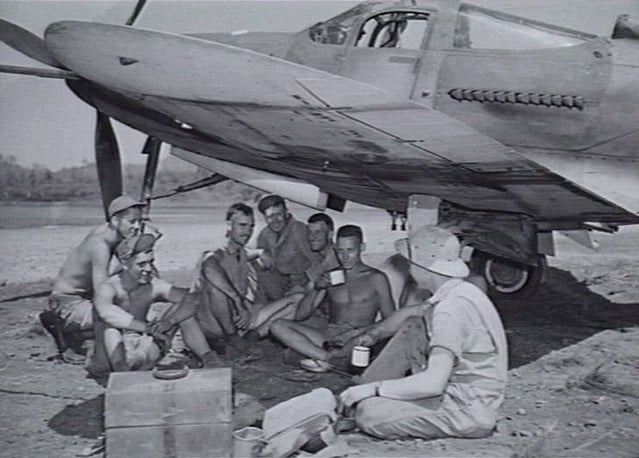
Commanders reassigned the P-39 to ground attack, where low altitude suited the engine and the cannon proved useful. In Europe, Soviet pilots used the aircraft the same way, accepting its limits. The Airacobra was not poorly built. It was built for assumptions that combat quickly proved wrong.
.jpg)
.jpg)
