1,200 Bombers. 700 Fighters. One Massive Strike That Showed Germany the War Was Ending
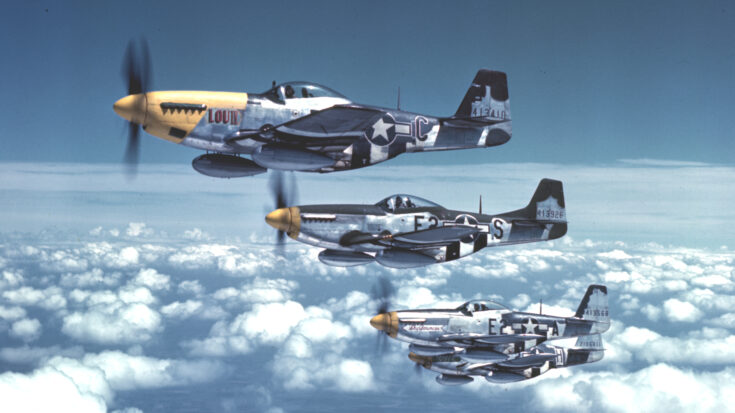
USAAF, photographed for a series of U.S. 8th Air Force publicity pictures for widespread distribution (photos were taken from B-17G bombers of the 91st Bomb Group), Public domain, via Wikimedia Commons
The Air War Reaches Its Height
By March 1945, the air war over Europe had reached a scale never seen before. Allied forces controlled much of the sky, and long formations of bombers crossed the continent almost daily. German industry was under constant pressure as fuel shortages, damaged rail lines, and repeated attacks weakened the country’s ability to continue fighting. Air power had become one of the main tools used to hasten the end of the conflict.
On March 2, 1945, the United States Army Air Forces launched one of its largest coordinated operations of the late war period. Known as Mission 861, the strike involved more than 1,200 heavy bombers supported by nearly 700 fighter aircraft. The mission targeted key industrial and transportation centers, especially the city of Magdeburg, along with rail and industrial areas connected to Dresden. The goal was not only destruction but also disruption of movement and supply across central Germany.
Preparing a Massive Formation
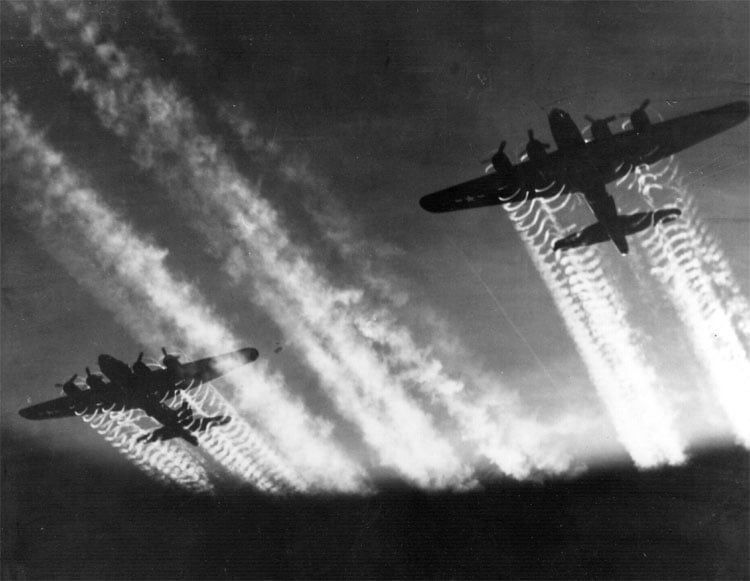
The attacking force included large numbers of B-17 Flying Fortresses and B-24 Liberators from the Eighth Air Force based in England. Crews gathered before dawn, receiving briefings that explained routes, targets, and expected resistance. By this stage of the war, German air defenses still posed danger, though fuel shortages limited the number of intercepting fighters that could take off.
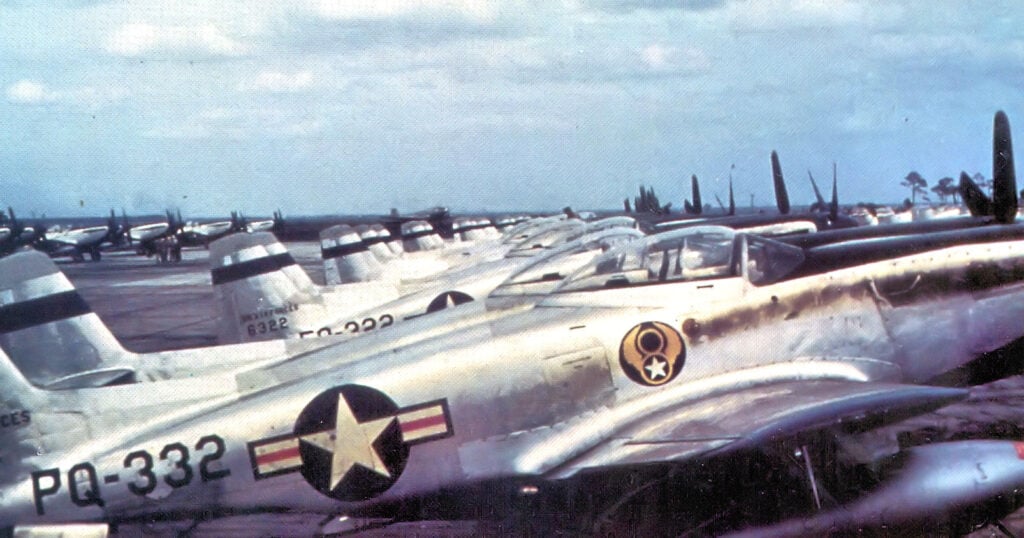
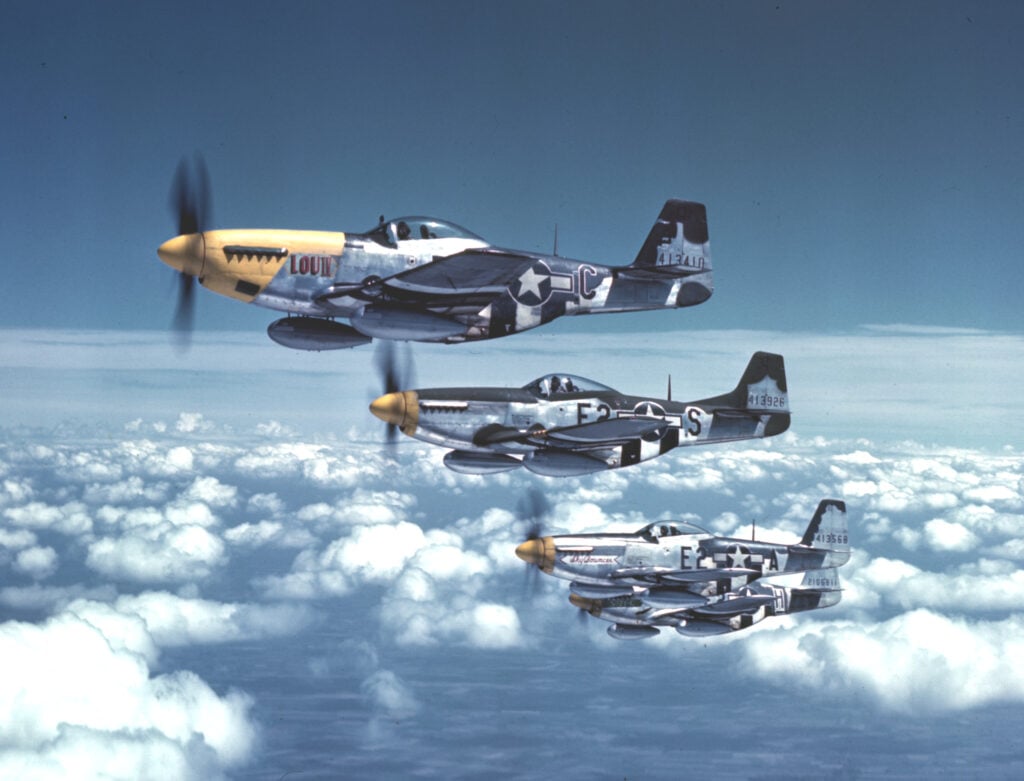
Escort protection played a major role in the mission’s planning. Nearly 700 fighters, including P-51 Mustangs and P-47 Thunderbolts, accompanied the bombers deep into enemy territory. Earlier in the war, bomber crews often faced heavy losses without continuous fighter cover. By 1945, long-range escorts allowed formations to travel farther while reducing vulnerability to interception.
Targets: Oil and Transportation
Magdeburg was chosen because of its oil refineries and industrial plants, which supported remaining German military operations. Fuel had become one of the most critical shortages facing German forces. Without steady oil production, tanks, aircraft, and transport vehicles struggled to operate. Destroying refining capacity therefore had effects far beyond a single city.
Marshaling yards and railway centers were also primary targets. These facilities organized trains carrying troops, equipment, and supplies between fronts. Bombing rail hubs created confusion that spread across large regions. Even when tracks were repaired quickly, repeated attacks slowed movement and forced German planners to reroute trains through already strained networks.
The Strike Over Central Germany
As the bomber streams crossed into German airspace, they formed long lines stretching across the sky. Witnesses on the ground later described the steady sound of engines arriving in waves. Bombers released thousands of bombs using radar and visual aiming methods, depending on weather conditions and cloud cover over the targets.
German anti-aircraft guns responded with heavy fire, creating bursts of smoke around the formations. Despite resistance, Allied losses were lower than earlier years due to improved tactics and fighter protection. Escort fighters engaged interceptors when they appeared and strafed airfields and transport routes during the return flight. The scale of the attack demonstrated how strongly Allied air forces now dominated the air.
Meaning in the Final Months
By early March, Allied armies were advancing from both east and west, and air operations supported this ground pressure. Large strikes like Mission 861 aimed to prevent any organized defense by cutting supplies before they reached frontline units. The bombing campaign had shifted from weakening industry alone to directly shaping the battlefield.
For many aircrew members, missions during this period carried a different feeling from earlier years. There was still danger, but signs of German exhaustion were increasingly visible. Fewer intercepting aircraft appeared, and damaged cities revealed how sustained bombing had changed daily life. The massive formation sent toward Magdeburg symbolized the overwhelming industrial and military strength now aligned against Germany as the war moved toward its final phase.