

241 Liberators, 100 Flying Fortresses — The Air Strike That Saved Anzio
WWII US Bombers / YouTube
A Beachhead Under Pressure
By early 1944, Allied forces in Italy faced a hard reality at Anzio. The landing in January had aimed to break the deadlock south of Rome and force German troops to pull back from the Gustav Line. Instead, the beachhead became a narrow pocket under constant threat. German artillery and armored units surrounded the area on higher ground, turning the coastal plain into a battlefield of mud, shellfire, and daily tension.
Through February, repeated German counterattacks tried to crush the Allied foothold before it could expand. Infantry units dug deep defensive positions while supply ships unloaded at night to avoid attack. Soldiers on the ground described long days of bombardment followed by sudden assaults. Commanders knew that without strong air support, the line might not hold.
Planning the Largest Air Assault
On March 2, 1944, Allied air forces launched the largest air strike of the Anzio campaign. The goal was clear: weaken German forces preparing for another push and relieve pressure on the trapped troops below. The operation brought together heavy bombers, fighter escorts, and tactical aircraft in a coordinated effort that covered a wide stretch of land between the Alban Hills and the front lines.
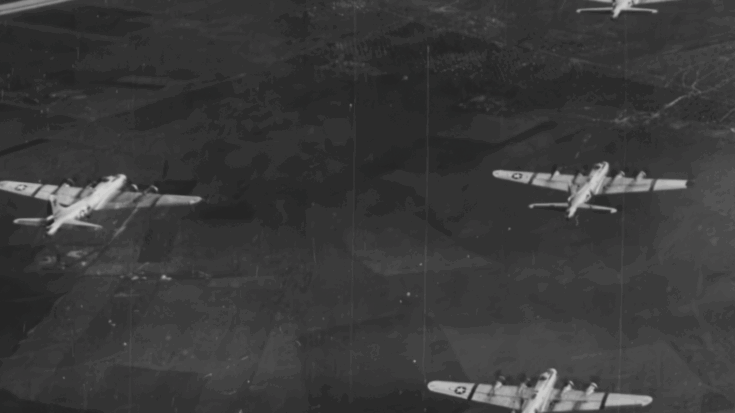
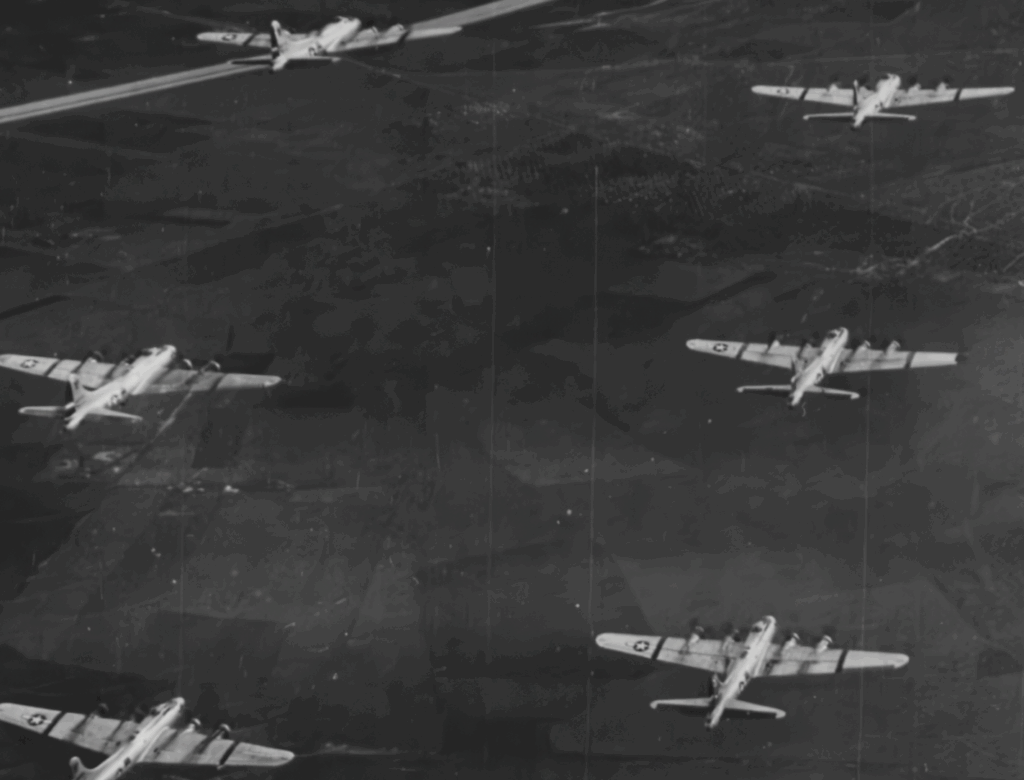
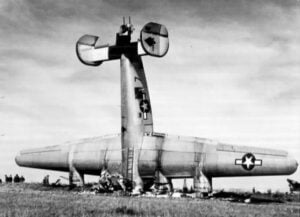
The heavy bomber force included 241 B-24 Liberators and 100 B-17 Flying Fortresses. These aircraft flew from bases in southern Italy and North Africa, carrying loads of fragmentation bombs designed to scatter metal shards across open areas. Escorting them were 113 P-38 Lightnings and 63 P-47 Thunderbolts. The fighters protected the bombers from interception and also attacked targets of opportunity on the ground.
Striking Roads and Gun Positions
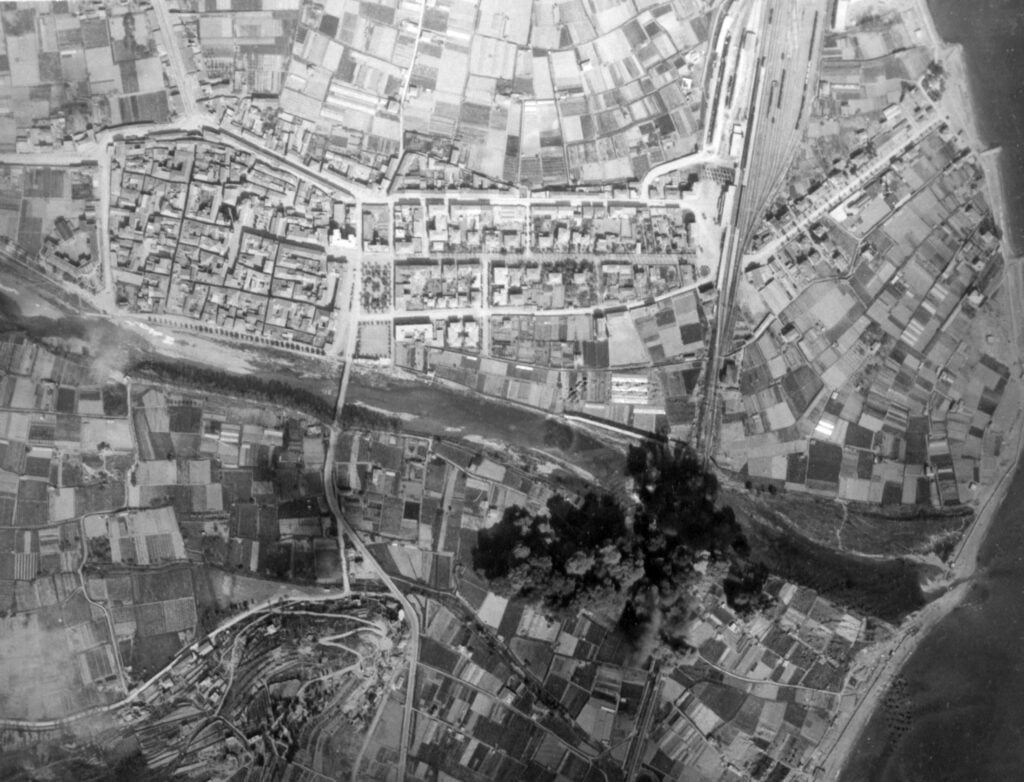
The bombers focused on transport routes, artillery sites, and areas where armored units had gathered. One major objective was the highway network leading toward the beachhead, particularly roads that allowed tanks and supply trucks to move into attack positions. By damaging bridges and road junctions, planners hoped to slow any advance and break up formations before they could reach Allied lines.
Medium and light bombers joined the assault at lower altitudes. These crews targeted gun emplacements, troop concentrations, and staging areas hidden among farms and small towns. Pilots reported columns of smoke rising from impact zones as explosions shook the countryside. Soldiers on the ground later recalled that the sky seemed filled with aircraft, wave after wave crossing overhead.
Effects on the Ground Battle
The impact of the strike was felt quickly. German units preparing for renewed assaults found their supply lines disrupted and their positions exposed. Tanks that might have supported infantry attacks were forced to relocate or wait for repairs to damaged routes. Artillery crews struggled to maintain fire under the strain of bombardment and constant air presence.
For Allied troops inside the beachhead, the air attack provided relief. While shelling did not stop entirely, the scale of German counterattacks diminished in the days following the strike. The massive show of force demonstrated that the Allies could bring concentrated power to bear when needed. It also sent a message that the beachhead would not be abandoned.
A Shift in the Anzio Campaign
The March 2 assault did not end the fighting at Anzio, but it marked a shift. German efforts to drive the Allies into the sea gradually lost strength as reinforcements and supplies flowed into the beachhead. By May, a larger offensive broke through enemy lines and allowed the Allied army to advance toward Rome.
Historians often note that the Anzio operation faced criticism for its early caution and heavy losses. Yet the coordinated air strike in March showed how air power could support ground forces under extreme pressure. The combined use of heavy bombers, escorts, and tactical aircraft played a direct role in stabilizing the front at a moment when failure remained a real possibility.



.jpg)