

5 Reasons the Spitfire Became the Most Iconic Fighter of WWII
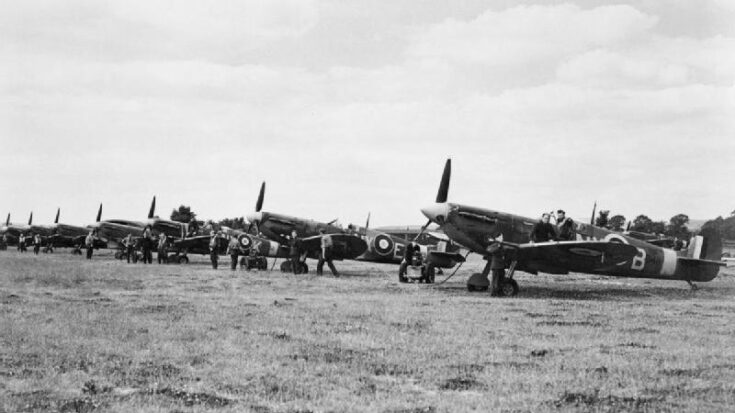
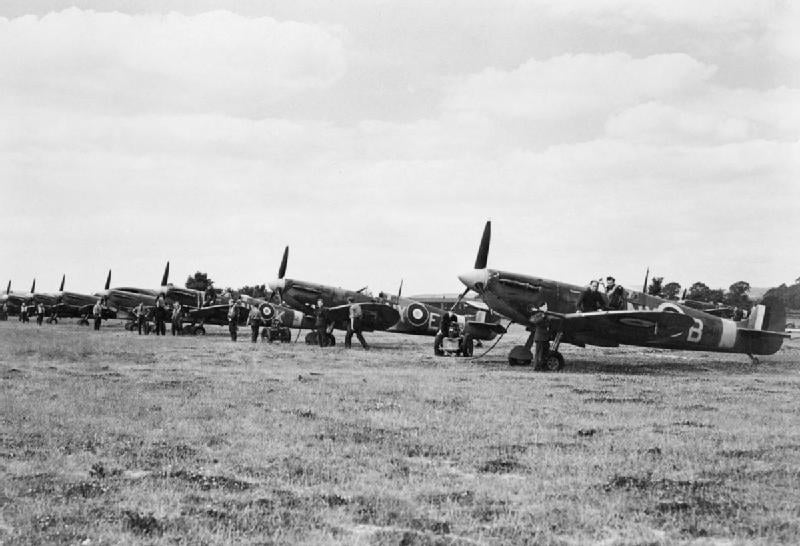
RAF official photographer, Crouch F W (Mr), Public domain, via Wikimedia Commons
Few aircraft are as closely tied to the memory of the Second World War as the Supermarine Spitfire. Designed before the conflict and tested in its earliest air battles, the fighter became a familiar sight above Britain and later across Europe and the Mediterranean. Its reputation was shaped not only by combat results, but also by design choices, production efforts, and the people who flew and maintained it under pressure.
1. A Symbol During Britain’s Darkest Hours
The Spitfire became widely known during the Battle of Britain in 1940. At a time when invasion seemed possible, the aircraft appeared in newspapers, posters, and newsreels. This constant presence turned it into a symbol of resistance and confidence for civilians following the fighting from the ground.
Its role was also practical. Alongside the Hawker Hurricane, the Spitfire helped stop German air attacks aimed at weakening Britain’s defenses. Hurricanes focused on bombers, while Spitfires often took on enemy fighters. This clear division of labor helped Fighter Command make the best use of limited resources.
2. Advanced Wing Design and Handling
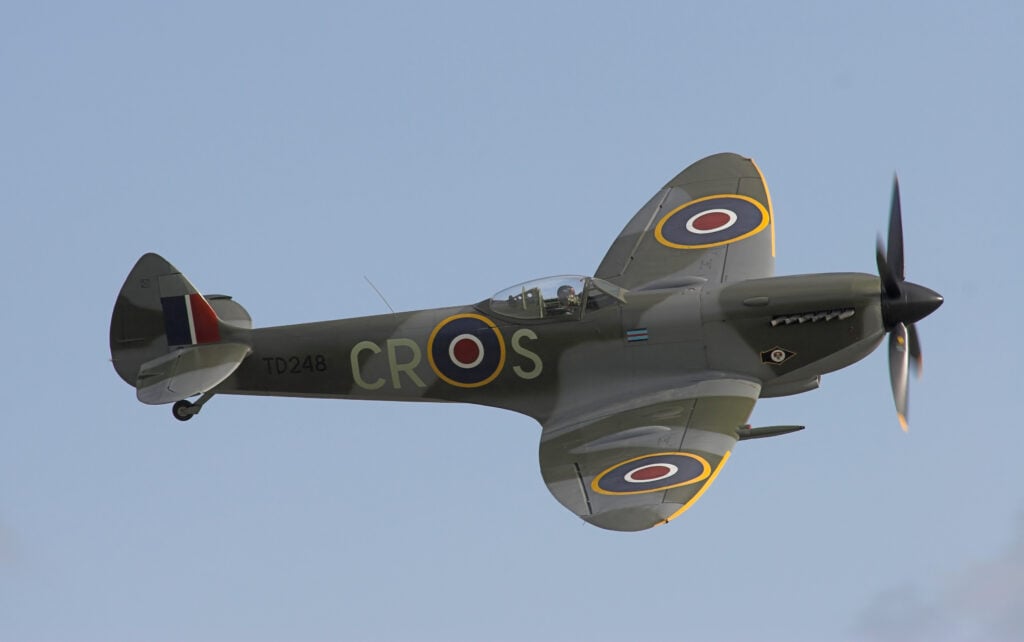
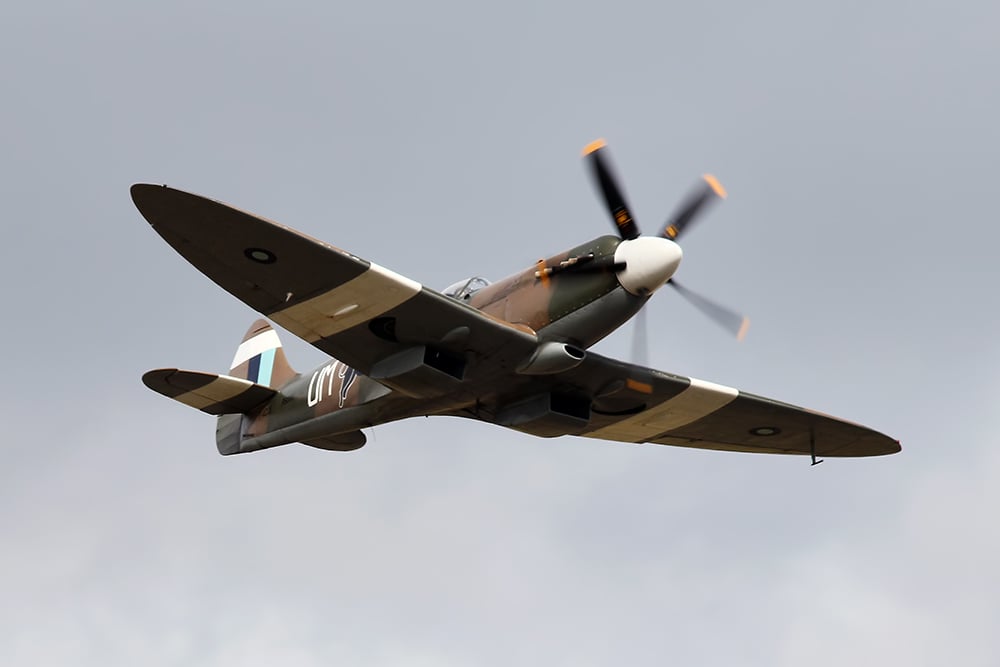
One of the Spitfire’s most important features was its elliptical wing. Designed under R.J. Mitchell at Supermarine, the wing reduced drag while providing strong lift. This allowed the aircraft to turn tightly and climb quickly, giving pilots greater control during combat.
The wing structure was thin and internally supported, avoiding the external bracing used on older aircraft. This improved speed and reduced air resistance. Pilots also valued the way the plane warned them before stalling, as the inner wing lost lift first, causing a noticeable shake rather than sudden loss of control.
3. Power From the Rolls-Royce Merlin
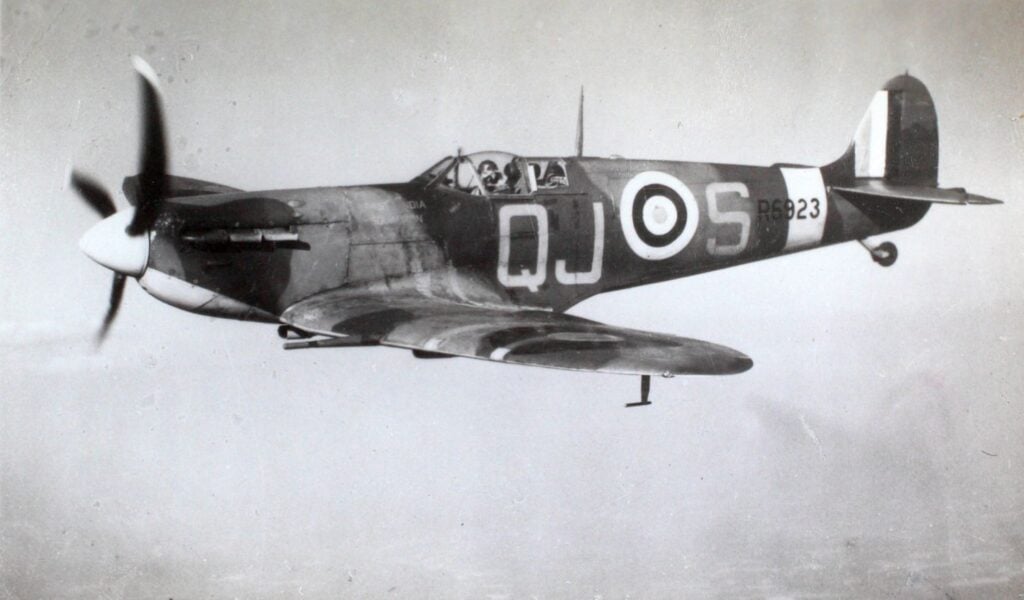
The Spitfire was powered by the Rolls-Royce Merlin engine, a liquid-cooled V-12 that evolved throughout the war. Early versions produced around 1,000 horsepower, with later models delivering much more as engineering improved. This steady development kept the aircraft competitive against newer opponents.
With the Merlin, the Spitfire could reach speeds near 360 miles per hour and operate at high altitudes. This made it well suited to intercepting enemy aircraft and adapting to changing conditions. Engineers designed the airframe so stronger engines and improved weapons could be added without starting from scratch.
4. Flexibility Across Many Roles
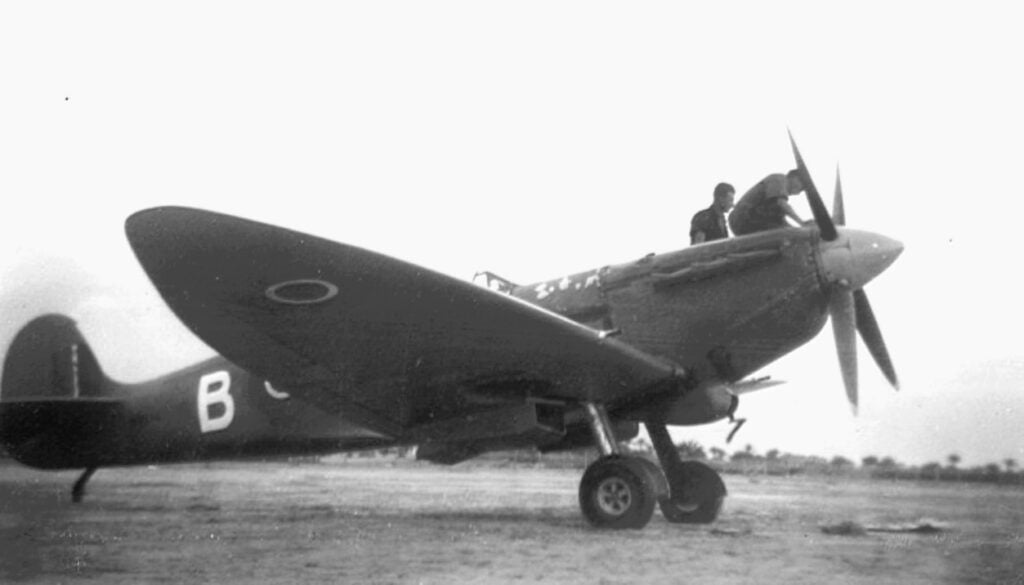
Although best known as a defensive fighter, the Spitfire proved adaptable. Variants were built with clipped wings for low-level combat and extended wingtips for high-altitude missions. Others were modified for reconnaissance, naval use, or ground attack later in the war.
This flexibility meant the aircraft remained useful from 1940 through the final campaigns in Europe. It took part in operations over Malta, supported landings in Normandy, and continued flying even as newer designs appeared. Few fighters stayed in front-line service for so long.
5. Human Skill and Strategic Use
The Spitfire’s success also depended on how it was used. Pilots trained to exploit its strengths in turning and climbing, while commanders placed it where it could have the most effect. Radar guidance and ground control helped pilots meet enemy aircraft at the right time and height.
Production mattered as well. More than 20,000 Spitfires were built, an enormous effort that reflected confidence in the design. Though complex to manufacture, the aircraft justified the investment by remaining effective as the air war changed, earning lasting recognition in military history.









.jpg)

.jpg)