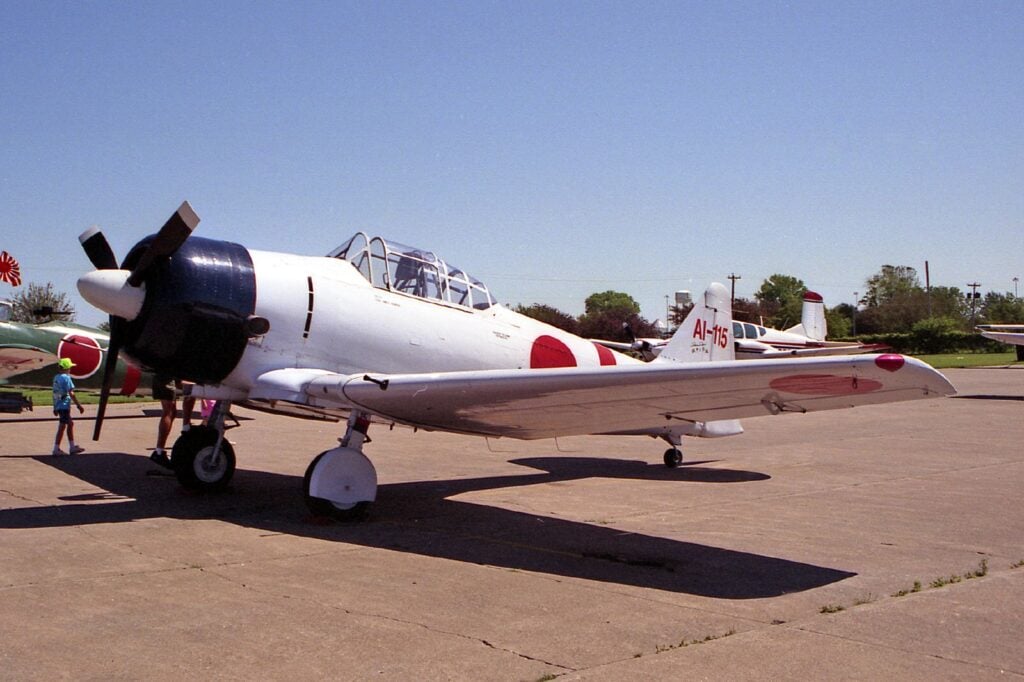
Why the Japanese Zero Plane Was the Most Feared Aircraft in the Pacific
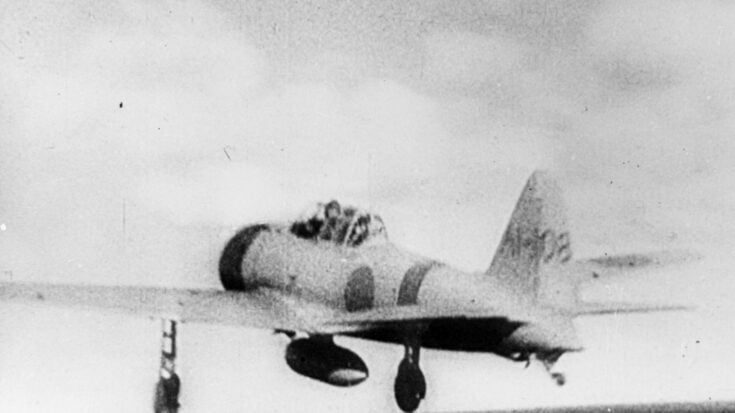
Japanese military personnel, Public domain, via Wikimedia Commons
During the early months of the Pacific war, one aircraft shaped fear and expectation more than any other. The Mitsubishi A6M Zero appeared suddenly in 1941 and overturned assumptions held by Allied air forces. Pilots who faced it described speed, tight turns, and long reach that seemed impossible at the time. These early encounters formed a reputation that spread faster than official reports and altered air combat thinking.
Origins of a New Fighter
The Zero did not appear without warning. Its roots lay in the earlier Mitsubishi A5M, a carrier fighter that performed well in China before 1940. Success there shaped naval pilot demands for the next design. They asked for range, climb, and turning ability, even if protection was reduced, reflecting a belief that skill and duty mattered more than survival.
Designer Jiro Horikoshi responded by using light alloys and a large wing joined closely to the fuselage. Armor and self sealing tanks were excluded to save weight. The result was an aircraft with extreme agility and long distance reach. In testing, pilots found it responsive to light control input, especially in slow speed combat.
Shock Across the Pacific
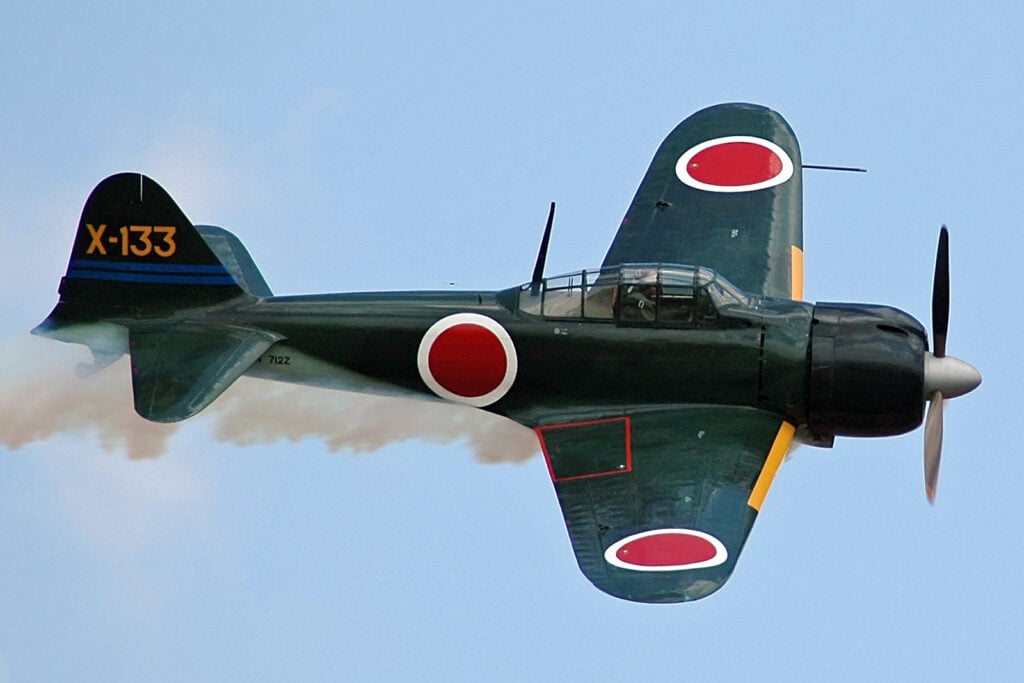
When war spread across the Pacific, the Zero met British, American, Dutch, and Chinese aircraft that were slower and less flexible. In places like the Philippines and Malaya, early clashes ended badly for the defenders. The new fighter climbed quickly, stayed airborne longer, and turned inside opponents, creating a sense that resistance was useless.
This effect was not only physical but mental. Allied pilots judged every design by how it might face the Zero. Losses were explained through the aircraft’s reputation, which grew with each encounter. Numbers also mattered, as the Zero formed the core of Japanese naval air units and appeared wherever carriers or island bases operated.
Strengths and Hidden Limits
The Zero’s design favored low wing loading and excellent balance. At modest speeds it could out turn almost any enemy until 1943. Pilots learned to exploit faster left rolls and tight circles. Yet the same light structure limited diving speed, and controls stiffened beyond certain limits, reducing effectiveness when fights became vertical.
Protection was another weakness. Without armor or sealed fuel tanks, damage often proved fatal. Heavy machine guns and ground fire were especially dangerous. American pilots later found that steep dives could cause fuel loss due to the carburetor design. These flaws were survivable only while opponents failed to exploit them.
The Turning Point of Knowledge
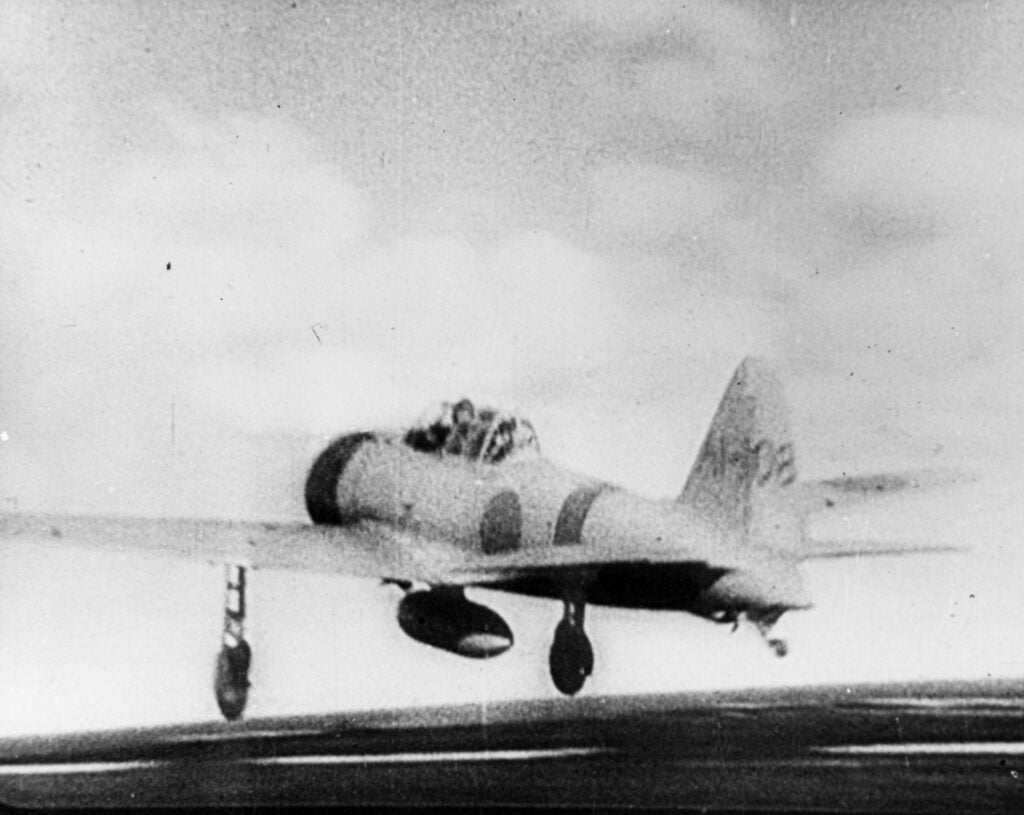
In mid 1942, chance delivered a largely intact Zero to American hands after a crash landing in the Aleutians. Careful testing revealed handling limits and structural risks. These findings reshaped training rather than aircraft design, as newer fighters were already in development using greater power and protection.
Once tactics changed, the Zero lost its hold over the sky. Allied pilots avoided turning fights and used speed, altitude, and firepower instead. By 1943, stronger aircraft filled Pacific airfields and carriers. The Zero remained dangerous in skilled hands, but its early dominance belonged to a brief and specific moment.
Legacy of Fear and Respect
For many pilots, fear of the Zero was real and personal. Veterans recalled first meetings as lessons learned under fire. Over time, respect replaced shock as weaknesses became known. Experience showed that machines alone did not decide outcomes, but training, numbers, and clear thinking shaped survival.
Even after losing its edge, the Zero influenced later designs and memories of the Pacific war. Nearly eleven thousand were built, yet few survive today. Those preserved remind historians how early advantage can fade quickly once opponents adapt, through study and reflection today.