77 Years Later: USS Nevada, Pearl Harbor Survivor and Atomic Target, Finally Found
Deep Sea Reports / YouTube
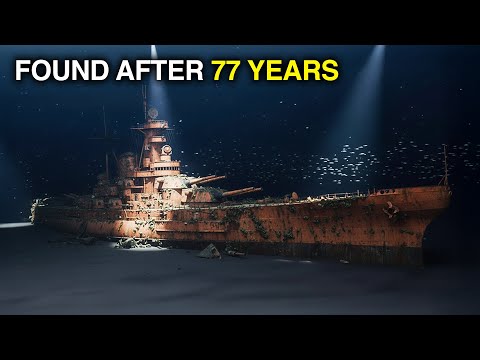
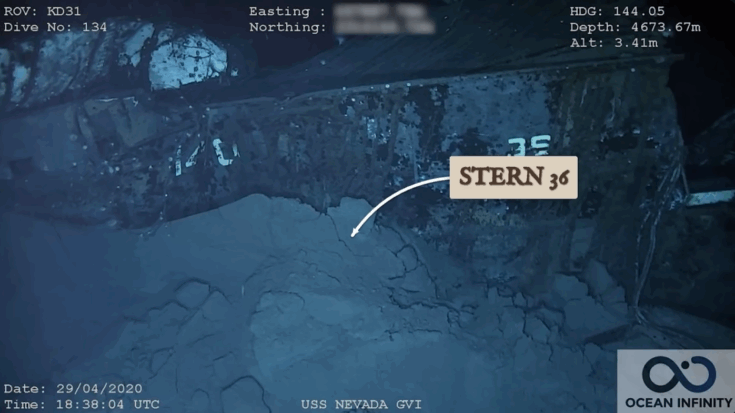
In 2020, marine archaeologists sent cameras nearly three miles down into the Pacific Ocean, expecting little more than scattered remains. Instead, they found the USS Nevada resting upside down on the seabed, largely intact. After more than seven decades underwater, the battleship appeared frozen in time, offering historians a rare and direct view into a long and complex naval past.
A Battleship That Refused to Stay Still
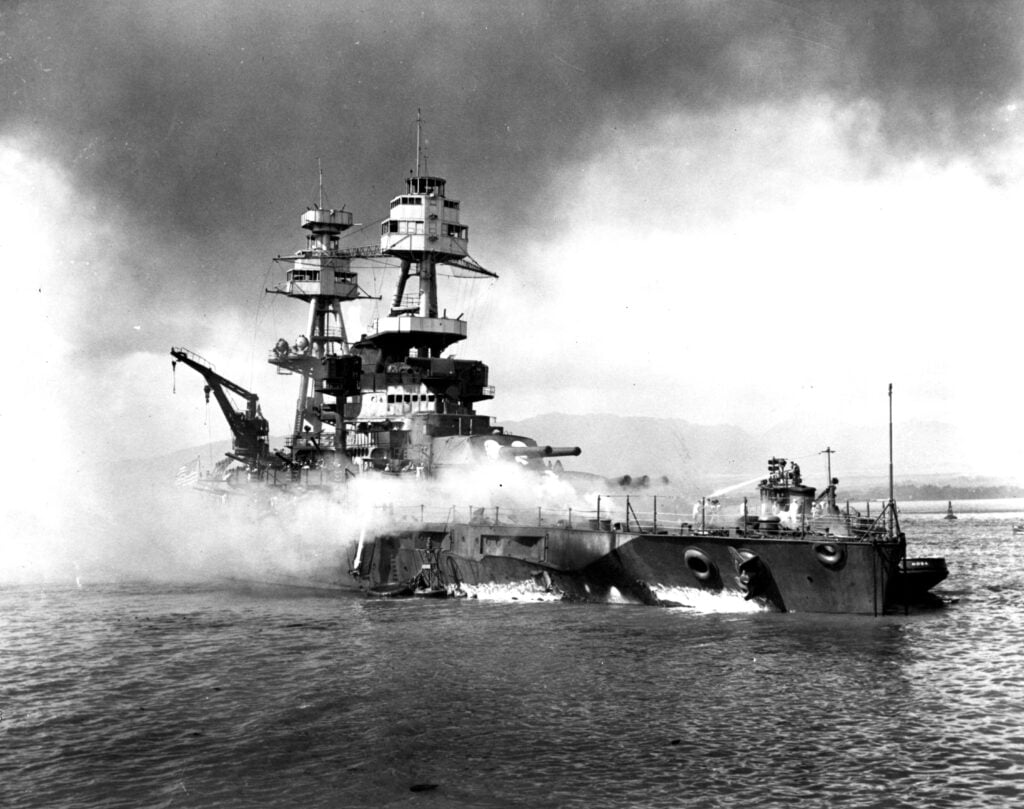
When the attack on Pearl Harbor began on December 7, 1941, most American battleships were quickly disabled. Nevada was different. Despite being struck by a torpedo and multiple bombs, her crew managed to raise steam and get the ship moving. As she headed toward the harbor entrance, enemy aircraft focused their attacks on her.
The crew made a deliberate decision to run the ship aground to avoid blocking the channel. That choice kept the harbor usable and prevented further damage to the fleet. Sixty sailors were killed and more than a hundred wounded, but the ship survived. The Navy took careful note of both the damage and the determination shown that morning.
From Harbor Mud to European Shores
After repairs, Nevada returned to service carrying guns salvaged from the sunken Arizona. In 1944, she crossed the Atlantic to support the landings in Normandy. Off Utah Beach, she fired heavy shells inland for days while under constant threat from German coastal batteries, which came close but never forced her withdrawal.
Later operations took her back to the Pacific, where she supported island landings and endured further air attacks. By the end of the war, Nevada had fought in both major oceans, a rare record for any battleship of her era.
Chosen for the Atomic Age
In 1946, the Navy selected Nevada for Operation Crossroads, a series of atomic tests in the Marshall Islands. Painted bright orange to serve as a clear target, she was placed near the center of the test area. Two powerful blasts followed, one in the air and one underwater.
The ship remained afloat but was heavily contaminated. Too dangerous to reuse and too strong to sink easily, Nevada spent two years in isolation. In 1948, she was finally sunk during live-fire exercises southwest of Pearl Harbor.
Rediscovery in the Deep
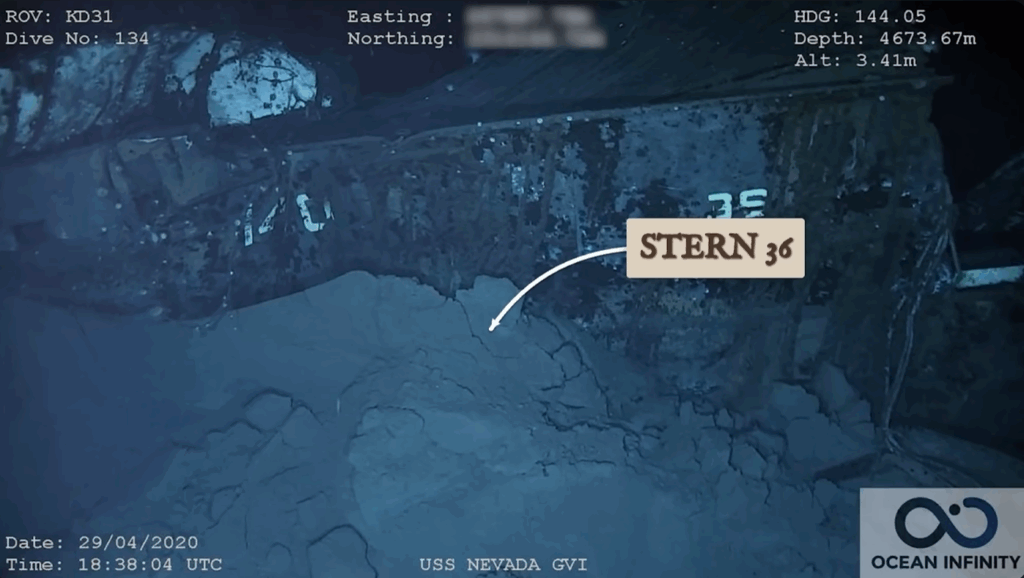
The 2020 survey revealed that Nevada lies at a depth of about 15,400 feet. Her hull is inverted, but the structure remains clear. The number “36” is still visible on her stern. Nearby, her main gun turrets rest on the seafloor, some still holding shells loaded before her final sinking.
One of the most striking sights is an M26 Pershing tank sitting upright beside the wreck. It had been placed on deck during the atomic tests and now stands as a silent marker of that experiment.
A Record Written in Steel
Damage from torpedoes, bombs, and atomic blasts is still visible across the wreck site. Steel plates are bent outward, and sections of the superstructure lie scattered nearby. Radiation kept salvagers away for decades, which helped preserve the ship’s condition.
Researchers have also noted that the wreck has become an artificial reef, supporting marine life adapted to the site’s unusual environment. The USS Nevada now serves as a lasting record of naval warfare, technology, and endurance, resting exactly where she was left in 1948.