

82nd Airborne Division May Deploy to Middle East in Response to Security Concerns
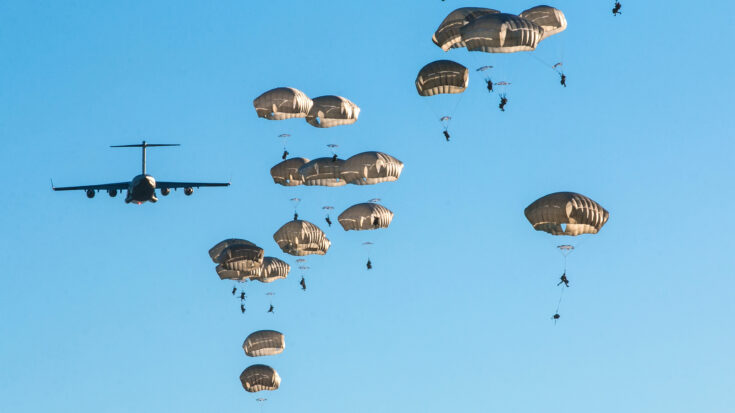
U.S. Army photo by Spc. Dustin Biven, Public domain, via Wikimedia Commons
Rising Tensions and Military Planning
Senior officials in the United States are reportedly considering deploying forces from the 82nd Airborne Division to the Middle East as part of a broader military effort that has been unfolding this spring. This plan centers on the Immediate Response Force (IRF), a rapid‑deployment unit that can move quickly into areas of concern when ordered. The IRF is built around a Brigade Combat Team from the 82nd Airborne Division at Fort Bragg, North Carolina, together with support from U.S. Air Force transport aircraft and other assets. Orders for this deployment were described by some officials as likely “in the coming hours” as of March 24, 2026.
The reported move comes as part of Operation Epic Fury, a military campaign that began with airstrikes earlier in the year. The United States has already committed additional Marines and naval forces to the region, and the possible inclusion of airborne troops would expand the role of ground‑based forces available to commanders. Interviews with military analysts note that these troops enhance U.S. options should ground operations be ordered, even though no official public statement has confirmed final plans.
What the 82nd Airborne Division Represents
The 82nd Airborne Division is one of the U.S. Army’s best‑known infantry units, with a history dating back to World War I and extensive experience in rapid mobilization. Based at Fort Bragg, it specializes in airborne operations, meaning its soldiers can be moved quickly to hostilities around the world. The IRF includes soldiers who train to be ready at short notice, with an initial battalion able to deploy within roughly 18 hours of notification by air.
This rapid reaction capability was used before in responses to crises such as the evacuation of civilians from Afghanistan in 2021 and other emergency deployments. The unit’s structure includes several combat brigades supported by artillery, aviation, and sustainment elements that help sustain operations after arrival. When deployed, the division would likely move onto airfields and staging areas in the Middle East, where it could support logistics operations or stand ready for further orders.
Signals and Speculation
Reports over the past days indicate that many of these IRF elements are preparing to travel outward from home bases, with flights tracked recently from Pope Army Airfield near Fort Bragg toward the region. The division’s commander and headquarters staff have been mentioned in some media accounts as part of the move, although direct confirmation from the Pentagon or United States Central Command has been limited.
Public reporting suggests a range of possible deployment sizes, from roughly 1,000 soldiers to about 3,000 troops drawn from the division’s first Brigade Combat Team and supporting units. If order is given, these forces would add to roughly 4,500 Marines and sailors already sent toward the region in recent weeks, bringing total additional ground forces close to 7,000 personnel beyond normal levels.
Regional Context and Military Options
This potential deployment is taking place amid a backdrop of broader military responses in and around the Middle East. Operation Epic Fury has involved air assets such as F‑16 jets, electronic warfare aircraft, and surveillance planes moving into theatre since late February, targeting locations linked to opposing forces. These actions have attracted international attention and diplomatic discussions about the scope and purpose of U.S. involvement in regional disputes.
Ground forces like those from the 82nd Airborne Division would not necessarily engage in combat immediately upon arrival. Military planners note that rapid‑reaction troops are often used first to secure positions, assist allied forces, or protect key areas if higher authorities direct those missions. As this planning continues, officials in Washington and capitals across allied nations are weighing strategic, operational, and political considerations before any further steps are taken.




.jpg)