Downed WWII Pilot Survives 8 Months in Papua New Guinea Jungle, Saved by Brave Villagers — Later Builds School to Thank Them
waffen123 / Reddit
Lost Above New Britain
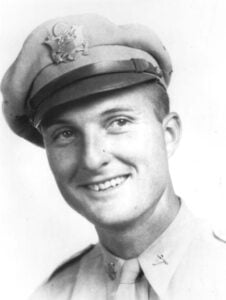
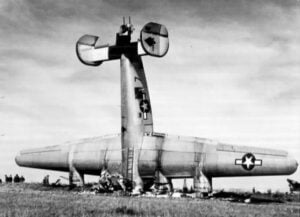
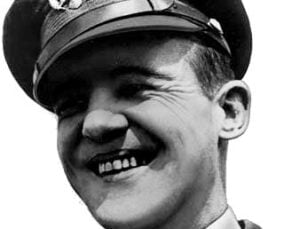
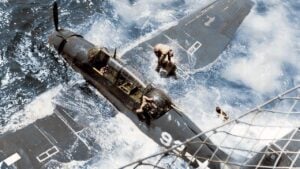
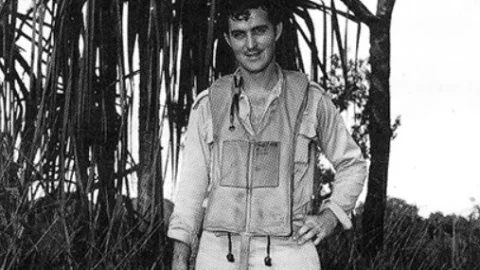
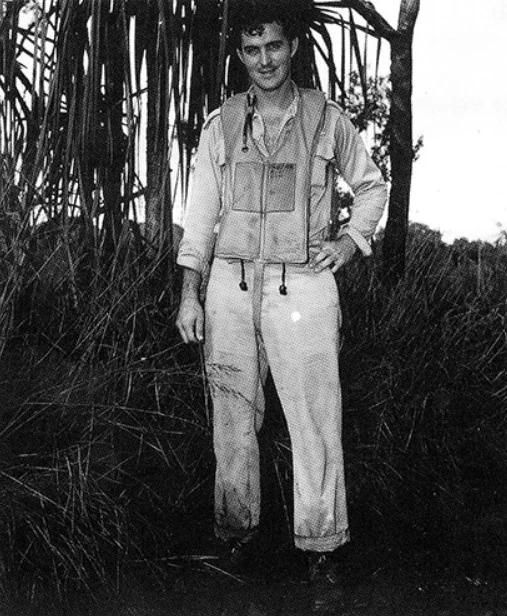
In the early months of World War II, American pilot Fred Hargesheimer was flying over New Britain, Papua New Guinea on June 5, 1943, when his aircraft was hit by enemy fire. He was serving with the 8th Photographic Reconnaissance Squadron, gathering images of the area when his F‑5A Lightning was struck. One of his engines caught fire and the plane became hard to control. Hargesheimer struggled to exit the cockpit when the canopy jammed, and, in being pulled free by the rush of air, he fell out of the aircraft with his parachute. He landed deep in the dense jungle of the island, alone and injured.
At first, he tried to survive by himself. He had an emergency kit but soon learned that jungle life was harsh. He faced heavy rain, difficult terrain, and dangerous wildlife, and his inflatable raft could not be used because of crocodile‑filled rivers. After about a month, villagers from Ea Ea, on the north coast, spotted signs of his presence. They had seen his plane go down and had begun searching for him. A local leader showed a note to Hargesheimer that identified locals as trustworthy allies of Allied forces, and from that moment the villagers took him in and helped him.
Hidden in the Village
The villagers hid Hargesheimer from enemy patrols who were known to move through the area. They gave him shelter in their homes and taught him parts of their language. The pilot learned how to fish and help with gardening, and the people called him “Mastah Preddi,” a local form of “Master Freddie.” Their protection was often at great risk, as nearby patrols might have harmed villagers if they found him. Hargesheimer later said that if his footprints were discovered, soldiers might have forced local people to reveal his location.
There were times when the pilot had to hide on his own, including one night he spent high in a tree to avoid sudden enemy approaches. He later became ill with malaria, but the villagers cared for him until he recovered. After about eight months, Australian coastwatchers learned that a downed airman was being sheltered at the village and arranged to extract him. On February 5, 1944, he was picked up by the submarine USS Gato and returned to Allied lines.
Life After the War
Once back in the United States, Hargesheimer resumed civilian life. He married and began a career in sales, working for a company that later became part of a major computer firm. Even though he built a life with his family, he could not forget the people of Ea Ea who had saved him. Years later, he began corresponding with a missionary to learn how they were faring. He felt that simply saying “thank you” would not be enough for the years of care and protection they had given him.
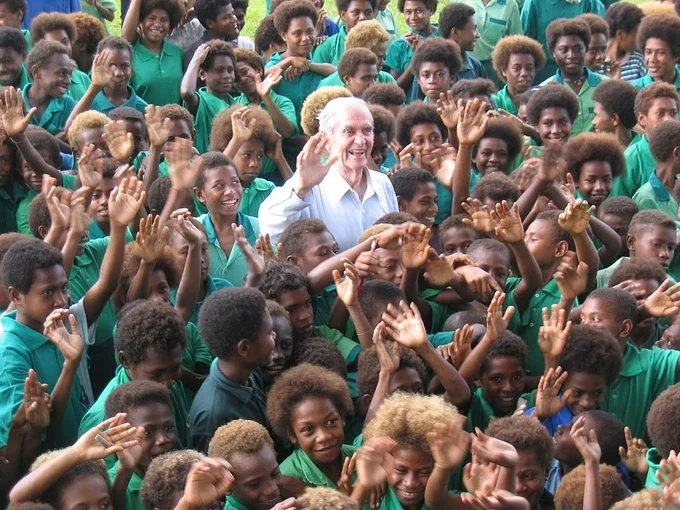
In 1960, he returned alone to the island to visit those who had helped him and discovered that what they needed most was education. He began fundraising at home, collecting small donations from church groups, friends, and service organizations. After three years he had enough money to build a school. In 1963 he returned with his 17‑year‑old son to lay plans and contract for construction. The Airmen’s Memorial School opened in 1964 with 40 students and four classrooms.
Giving Back
Over the years, Hargesheimer continued working to improve life in the region. He helped establish a library and a health clinic, and the school complex expanded. Projects connected to the school, such as an experimental oil palm plot, supported local economic development and provided jobs. The school produced graduates who went on to university studies and professional careers. One former student later earned a master’s degree and became involved in running Hargesheimer’s foundation in Papua New Guinea.
Hargesheimer and his wife even lived in the area for a time in the 1970s to teach and support the local children. The people honored him by giving him the title “Suara Aura,” or Chief Warrior, in recognition of his long‑term support and deep connection with the community. He continued to visit the island many times into his later years, including attending a ceremony to see the wreckage of the plane he had escaped from more than six decades earlier.
His efforts left a lasting impact on the people of New Britain and created educational opportunities that might otherwise have been unavailable. Hargesheimer died in 2010 at age 94, remembered as both a veteran and a builder of bridges between distant cultures.