

A-10 Warthogs and Apache Helicopters Lead New U.S. Reinforcement Push in Strait of Hormuz
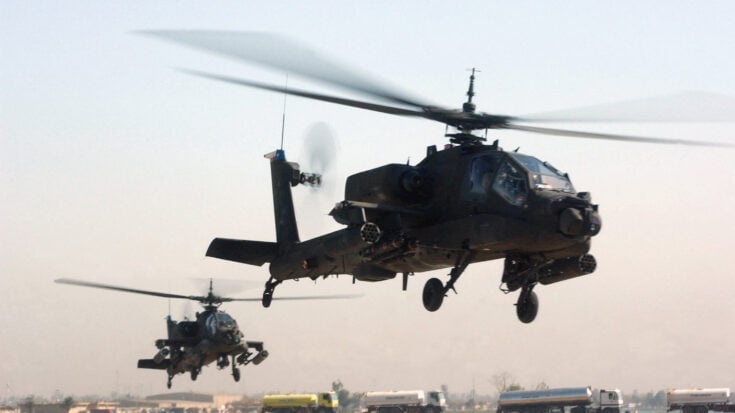
SGT TIERNEY P. NOWLAND, USA, Public domain, via Wikimedia Commons
The United States has deployed additional military aircraft to the Strait of Hormuz in response to growing threats to commercial shipping in the area. The narrow waterway, through which about 20% of the world’s oil passes, has become a flashpoint for clashes involving Iranian forces and regional navies. On March 19, 2026, General Dan Caine, Chairman of the Joint Chiefs of Staff, announced U.S. forces would send A‑10 Thunderbolt II jets and AH‑64 Apache attack helicopters to help counter threats from drones, small boats, and other hostile forces.
Officials said the reinforcements are meant to protect vessels and keep trade routes open after several incidents involving suspected Iranian drones and fast attack craft. The addition of these aircraft follows a period of increased shipping disruptions and a noticeable rise in oil prices earlier this month, reflecting global concern over stability in the region.
A‑10 Warthogs: “Flying Tanks” in Maritime Roles
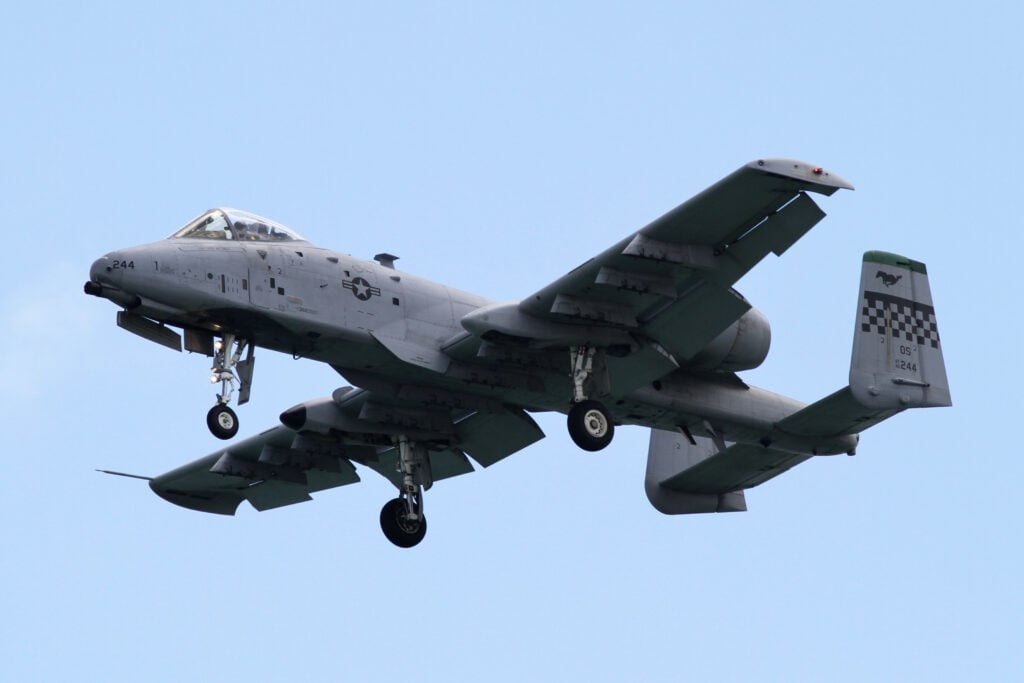
The A‑10 Thunderbolt II, often called the Warthog, was originally designed for close air support of ground troops. It is known for its heavy 30 mm cannon and ability to carry a mix of missiles and rockets. In the current deployment, A‑10s are being used in an expanded maritime role to monitor and, if necessary, engage fast attack boats that could threaten shipping. Reports from defense sites and aviation analysts say the aircraft are armed not only with defensive weapons but also with precision munitions for surface targets.
Warthogs have been spotted flying patrols along the southern side of the Strait of Hormuz, a shift from their more typical land‑based missions. The aircraft’s ability to fly at low speed and altitude allows pilots to track small craft and respond quickly. Their presence aims to deter hostile actions and reassure commercial operators that the U.S. is committed to keeping the waterway secure.
Apache Helicopters: Drone Interception and Support
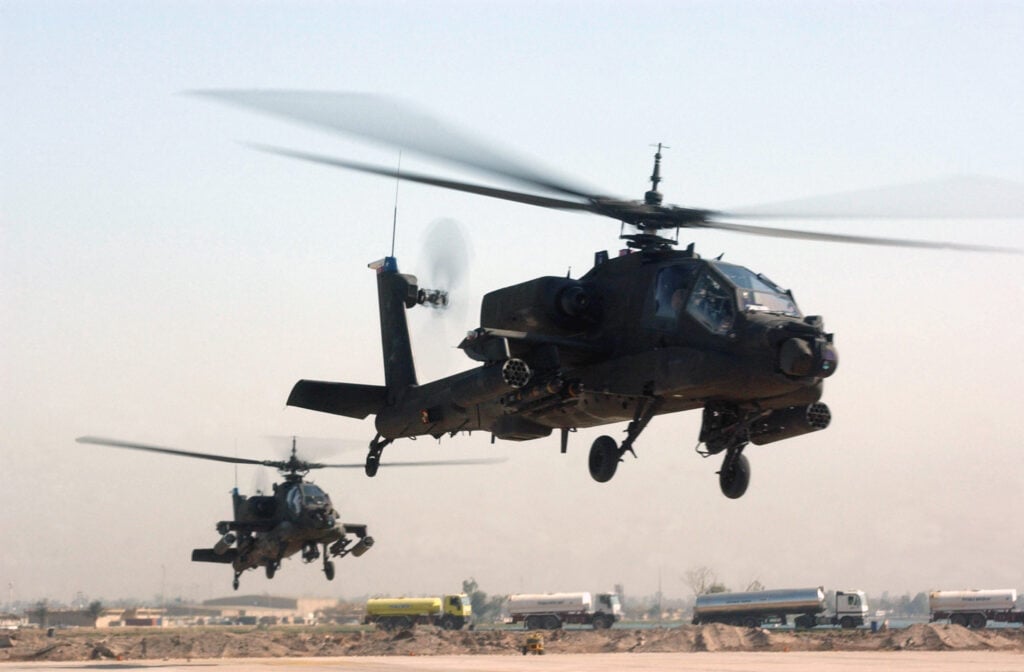
Alongside the A‑10s, AH‑64E Apache attack helicopters have been deployed to the region. These helicopters are highly capable in roles that require fast response and precision targeting. According to military observers and published reports, they are being used to intercept one‑way attack drones and provide support where fixed‑wing aircraft may not reach as quickly. Apache crews can use sophisticated sensors to identify and track aerial targets, a useful capability as drone threats have become more frequent.
Apaches also work closely with allied forces, including regional partners who have aviation units in the area. Their presence increases the coverage and flexibility of U.S. military operations, allowing commanders to respond to threats more effectively. As tensions continue in and around the Strait of Hormuz, the combination of Warthogs and Apaches shows a layered approach to air and sea security that stretches beyond traditional roles.







.jpg)
_(4340828926).jpg)