

A-10 Warthogs Now Hunting Iranian Fast Attack Craft in the Strait of Hormuz
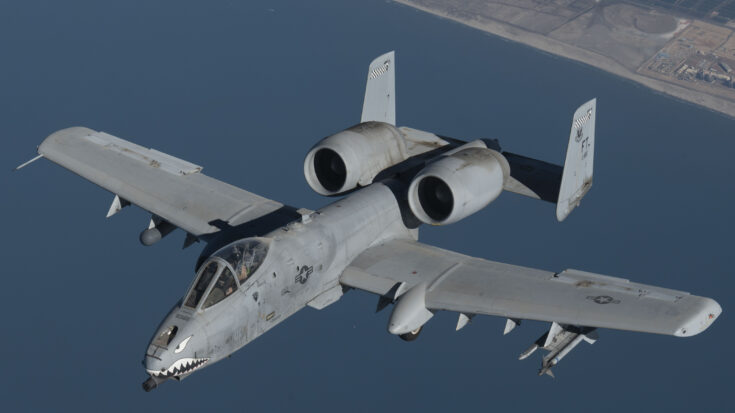
Staff Sgt. Emily Farnsworth, CC0, via Wikimedia Commons
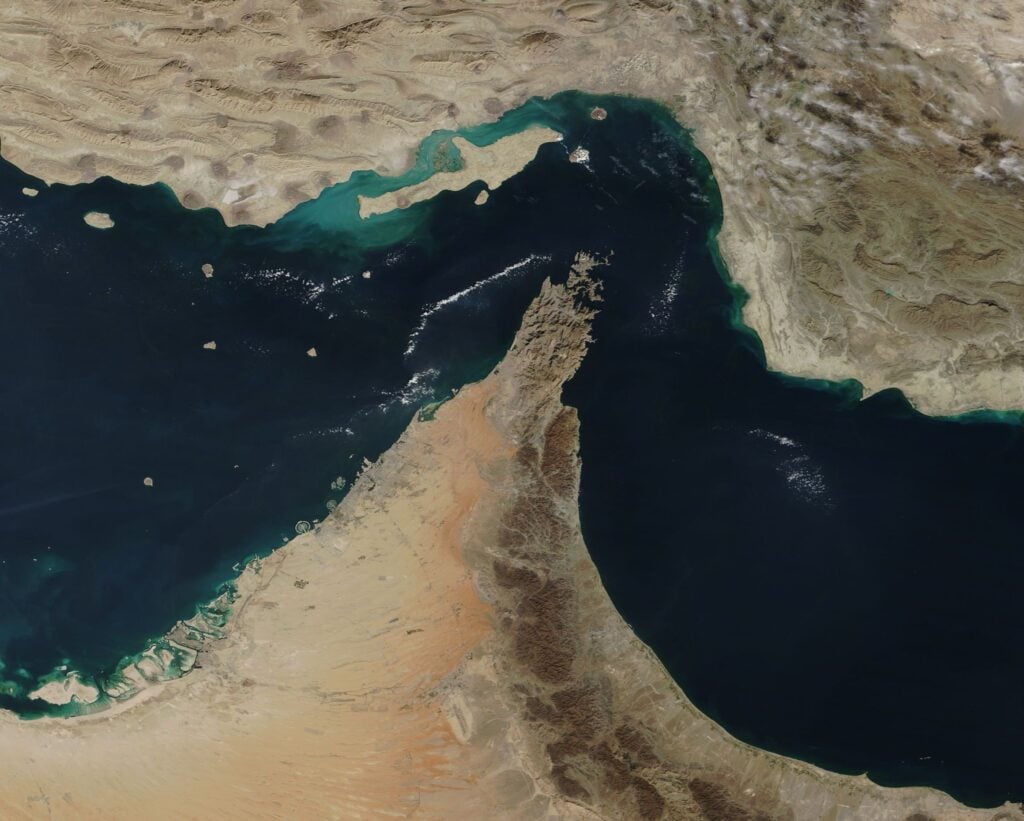
The U.S. Air Force A-10 Thunderbolt II, long known for supporting troops on the ground, has taken on a new mission in the Middle East. During ongoing military operations linked to Operation Epic Fury, American officials confirmed that the aircraft is now flying maritime patrol and strike missions aimed at countering small Iranian fast attack boats operating near the Strait of Hormuz. The development reflects how older aircraft are adapting to modern threats in one of the world’s most sensitive waterways.
General Dan Caine, Chairman of the Joint Chiefs of Staff, revealed the shift during a Pentagon briefing on March 19, 2026. He explained that A-10 units are operating along the southern flank of the theater, focusing on watercraft that could threaten commercial shipping lanes or naval forces. The Strait of Hormuz remains a narrow but vital passage through which a large portion of global oil shipments travels each day, making security operations there closely watched by both military planners and international markets.
Expanding Role in Operation Epic Fury
The presence of A-10 aircraft in the broader conflict had already been acknowledged by U.S. Central Command within the first two days of fighting. However, their move into maritime strike operations marks a notable expansion of duties. Images released by CENTCOM showed A-10C aircraft carrying a mixed weapons configuration suited for both air and surface targets.
The loadout included a LITENING targeting pod used for precision tracking, two AGM-65 Maverick guided missiles designed to destroy moving or armored targets, and a 600-gallon centerline fuel tank that allows longer flight time over patrol areas. The aircraft also carried AIM-9M Sidewinder missiles, traditionally used for defense against enemy aircraft, along with a seven-round rocket pod loaded with Advanced Precision Kill Weapon System II rockets. These guided rockets provide accuracy against small and fast targets while limiting collateral damage.
Countering Drones and Fast Boats
Although Sidewinder missiles were once carried mainly as a protective measure, recent conflicts have changed their purpose. The increased use of uncrewed aerial vehicles, including one-way attack drones, has allowed A-10 pilots to use these missiles more actively against airborne threats. Operating from regional bases and flying patrol routes over Iraq and Jordan, crews can intercept drones heading toward allied positions when guided by external radar or command networks.
The A-10 lacks its own radar system, meaning pilots rely on visual identification, infrared sensors, or information shared through other aircraft and ground stations. Even with this limitation, its ability to fly slowly and remain airborne for extended periods makes it suitable for monitoring wide areas where small drones or boats may appear with little warning.
Shift Toward Maritime Operations
Until recently, the aircraft had not been confirmed conducting missions directly tied to Iranian waters. Previously deployed to Muwaffaq Salti Air Base in Jordan, A-10 units supported operations in Iraq against militia forces, performing traditional close air support missions. The transition toward naval targets reflects growing concern over asymmetric threats at sea.
The A-10 has quietly built maritime experience over the past decade. U.S. Air Force releases showed the aircraft escorting warships within the U.S. Fifth Fleet’s operating region shortly before the current escalation. These escort roles demonstrated how the aircraft could help protect high-value vessels during vulnerable movements through confined waters.
Lessons From Training and Past Operations
Training exercises in recent years prepared the aircraft for this mission. In 2024, A-10 crews practiced overwatch missions protecting a U.S. nuclear submarine during a transit along the Pacific Northwest. Months later, six A-10Cs from Moody Air Force Base escorted the Ohio-class ballistic missile submarine USS Wyoming during drills that included live firing of the aircraft’s GAU-8 30 mm cannon and guided rockets.
Earlier operational experience also shaped doctrine. During Operation Unified Protector in Libya in 2011, an A-10 worked alongside a P-3C Orion patrol aircraft to engage patrol boats and small attack craft near Misrata. That event demonstrated how close air support aircraft could assist naval forces against lightly armored maritime targets.
Adapting to Modern Naval Threats
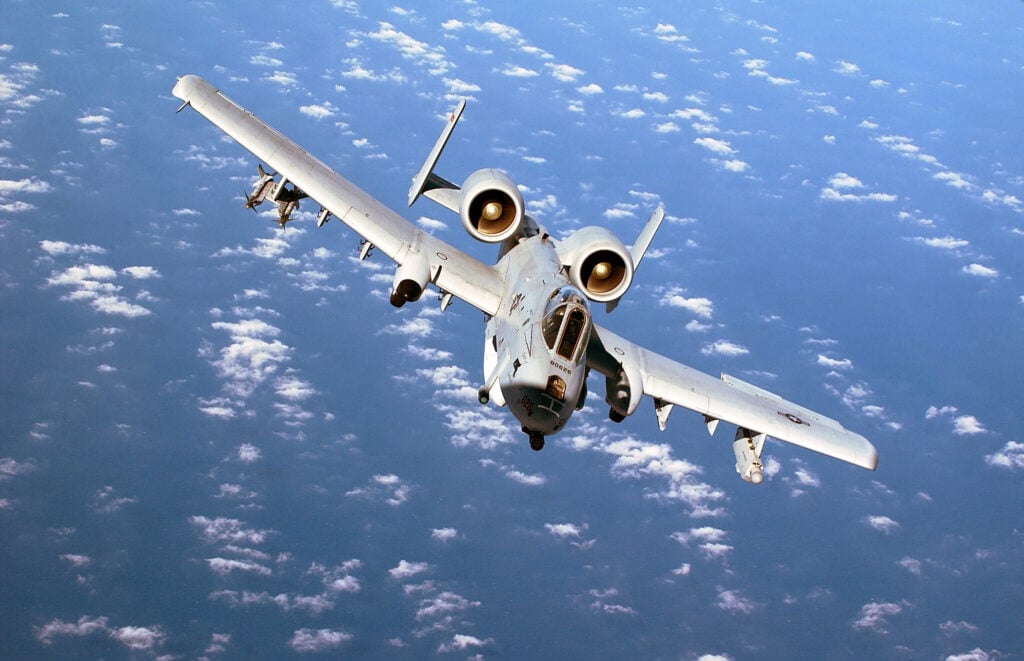
Recent conflicts have highlighted how small boats and uncrewed surface vessels can threaten larger ships through coordinated swarm attacks. Events in the Red Sea and naval clashes in the Black Sea showed how inexpensive platforms can challenge traditional defenses. The A-10’s design, which allows tight turns at low altitude and accurate weapons delivery, makes it effective against these targets.
Exercises throughout the 2020s reinforced this role. During a September 2023 drill in the Gulf of Oman, two A-10s practiced engaging simulated surface threats alongside the guided-missile destroyer USS Stethem. Such exercises tested coordination between air and naval forces responding to fast-moving threats.
Aircraft Future and Continued Service
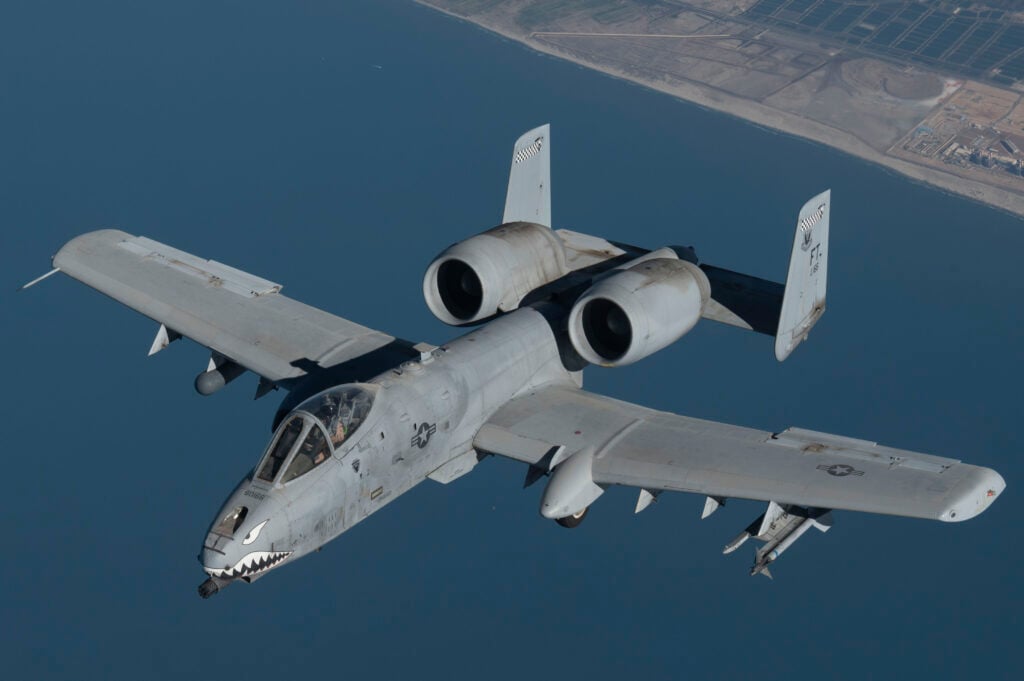
Despite repeated plans to retire the A-10 fleet, lawmakers have slowed its withdrawal from service. While the Air Force proposed removing all remaining aircraft by fiscal year 2026, Congress authorized retirement of only part of the fleet, keeping many aircraft operational longer than expected. The decision reflected continued demand for the aircraft’s specialized capabilities.
The compromise came with financial limits, as the Air Force did not request full sustainment funding for the platform in its 2026 budget, estimating maintenance costs at roughly $423 million. Even so, upgrades such as the Link 16 data network allow the aircraft to share targeting information with other platforms, ensuring it remains effective within modern combat systems while continuing missions over strategic waterways like the Strait of Hormuz.







.jpg)
.jpg)
