

A-10 Warthog Gets a Reprieve as Service Extended to 2030
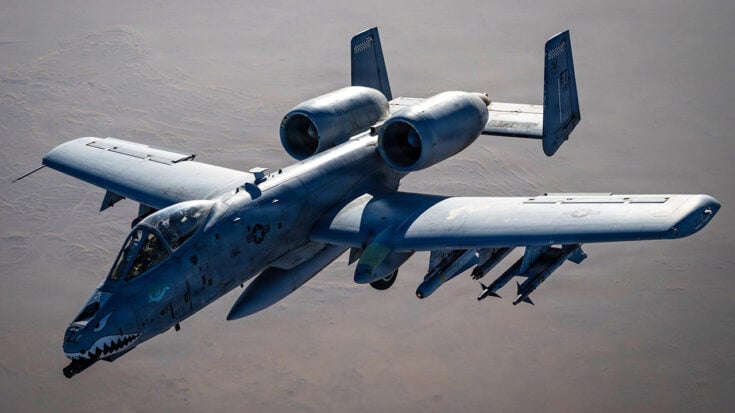
The U.S. Air Force has confirmed that the A-10 Thunderbolt II will remain in service until at least 2030. The decision reverses years of planned retirements that would have removed the aircraft by 2029.
Under the updated plan, two squadrons will continue operating through 2030, with another scheduled to stand down a year earlier. For the first time in over a decade, the Air Force is no longer pushing for the immediate retirement of the Warthog.
In consultation with @SecWar, we will EXTEND the A-10 “Warthog” platform to 2030. This preserves combat power as the Defense Industrial Base works to increase combat aircraft production.
Thank you to @POTUS for your unwavering support of our warfighters and quick, decisive… pic.twitter.com/zn1l3OshdY
— Office of the Secretary of the Air Force (@SecAFOfficial) April 20, 2026
Congress and Combat Demand
Efforts to retire the A-10 have repeatedly faced resistance from Congress. Lawmakers have required the Air Force to retain a significant portion of the fleet, even as budget proposals called for full withdrawal.
That resistance reflects continued demand. The aircraft remains actively deployed, including recent operations tied to Operation Epic Fury in the Middle East. In these missions, the A-10 has supported strikes against militia targets and contributed to combat search and rescue operations.
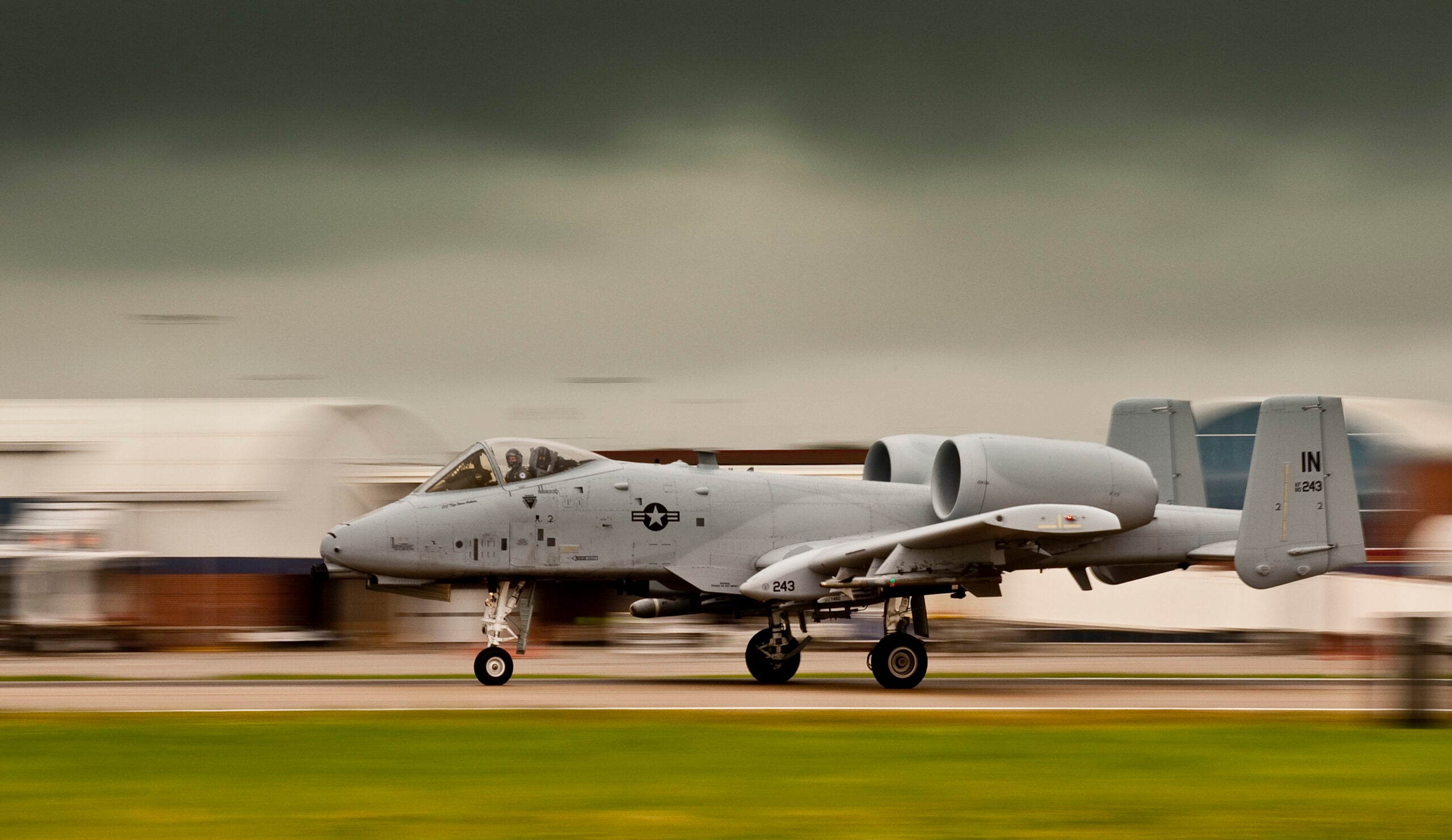
One aircraft was lost during a rescue mission linked to a downed F-15E Strike Eagle. The pilot survived, reinforcing the aircraft’s long-standing reputation for survivability.
A Platform Adapting to New Roles
Originally built as a Cold War tank killer, the A-10 has expanded its mission set. It now operates in counter-drone roles, precision strike missions, and limited maritime operations.
Recent loadouts include guided rockets and missiles that allow engagement of smaller, low-cost threats. These changes reflect a broader shift. The aircraft is being used where its endurance, low-speed handling, and accuracy provide advantages.
Modifications have also been introduced to improve flexibility, including updates that allow compatibility with different aerial refueling systems.
The Air Force will extend three A-10 squadrons, the service announces today.
One Moody active duty squadron and one Whiteman reserve squadron to 2030, plus another Moody squadron to 2029, according to the service. pic.twitter.com/pNrdLnWk15
— Brian Everstine (@beverstine) April 20, 2026
The Limits of Extension
Despite the extension, signs of transition remain. The final class of A-10 pilots has already graduated, and specialized maintenance infrastructure has been reduced. These changes suggest that long-term continuation beyond 2030 would require rebuilding parts of the support system.
The aircraft itself is aging. Many airframes are now more than four decades old, increasing maintenance demands and operational costs.
Why the A-10 Remains in Service
The debate surrounding the A-10 has remained consistent. Critics point to its vulnerability in high-threat environments and the need to prioritize newer platforms like the F-35A Lightning II and B-21 Raider.
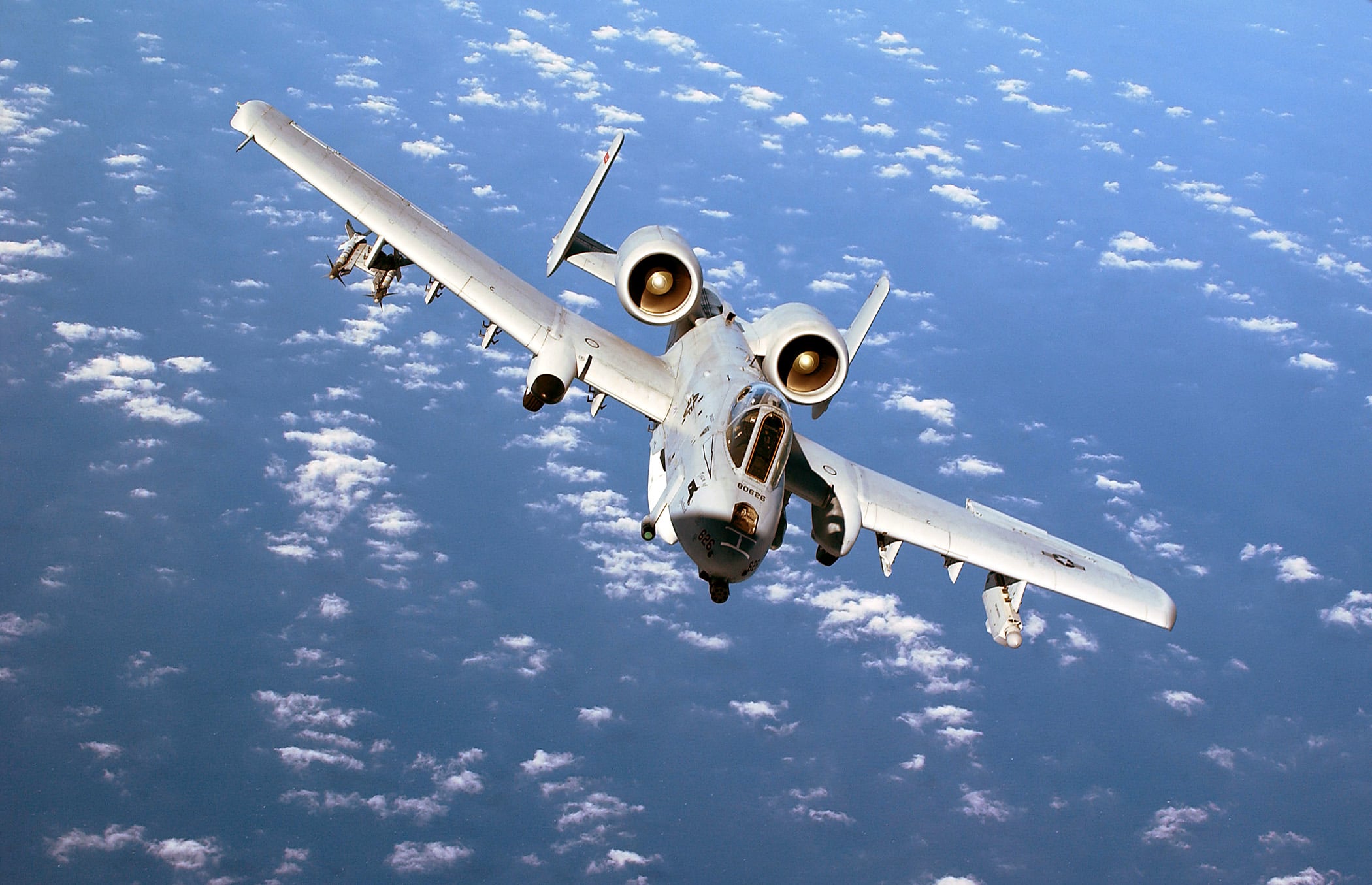
Supporters focus on its role. The aircraft provides sustained presence over the battlefield, delivers precise firepower, and operates effectively in lower-threat environments where more advanced aircraft are not required.
A Temporary Extension With Lasting Impact
The extension to 2030 does not resolve the long-term future of the A-10. It does, however, confirm its continued relevance in current operations.
For now, the Warthog remains in the fight, bridging the gap between legacy capability and the next generation of airpower.






