America Just Doubled Their A-10 Fleet In The Middle East
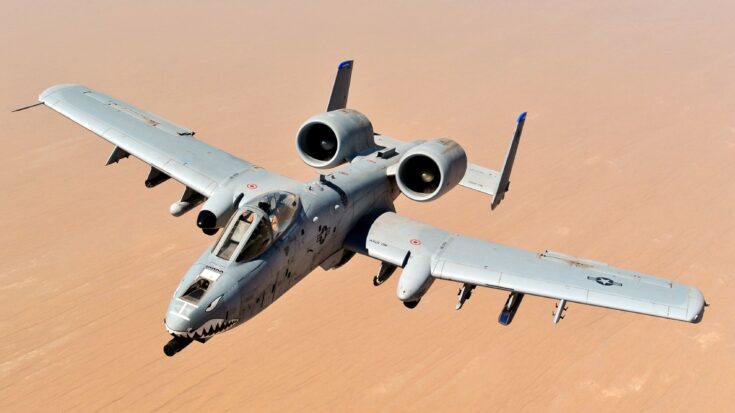
As Operation Epic Fury continues, the United States is increasing the number of A-10 Thunderbolt II aircraft in the Middle East. Roughly a dozen were already operating in the region. Another 18 are now being deployed, effectively doubling the fleet.
This move comes at a time when U.S. leadership has signaled confidence in control of the skies. The expansion of A-10 operations reflects a shift in mission focus, from high-risk air defense suppression to sustained support against surface targets.
Built for Close Combat
The A-10 was designed for one purpose, direct support of ground forces. It flies low and slow, allowing pilots to identify and engage targets with precision. That capability remains valuable in modern operations.
At the center of the aircraft is the GAU-8 Avenger, a weapon capable of firing thousands of rounds per minute. This makes the A-10 especially effective against small, fast-moving threats such as boats and lightly armored vehicles.
Footage of a USAF A-10 Warthog strafing a militia base in Al Anbar Province, Iraq today. pic.twitter.com/4bLBH1JDjq
— OSINTtechnical (@Osinttechnical) March 25, 2026
Recent operations have shown the aircraft patrolling the Strait of Hormuz, targeting fast attack craft and supporting missions against militia groups in Iraq. Its ability to remain over an area for extended periods gives commanders flexibility when responding to emerging threats.
What the Deployment Signals
The A-10 is not built to survive advanced air defense systems. Its expanded use suggests those threats have been reduced or suppressed to a manageable level. Earlier in the campaign, stealth aircraft and fighters handled the most dangerous missions. Now, conditions allow for aircraft like the A-10 to operate more freely.
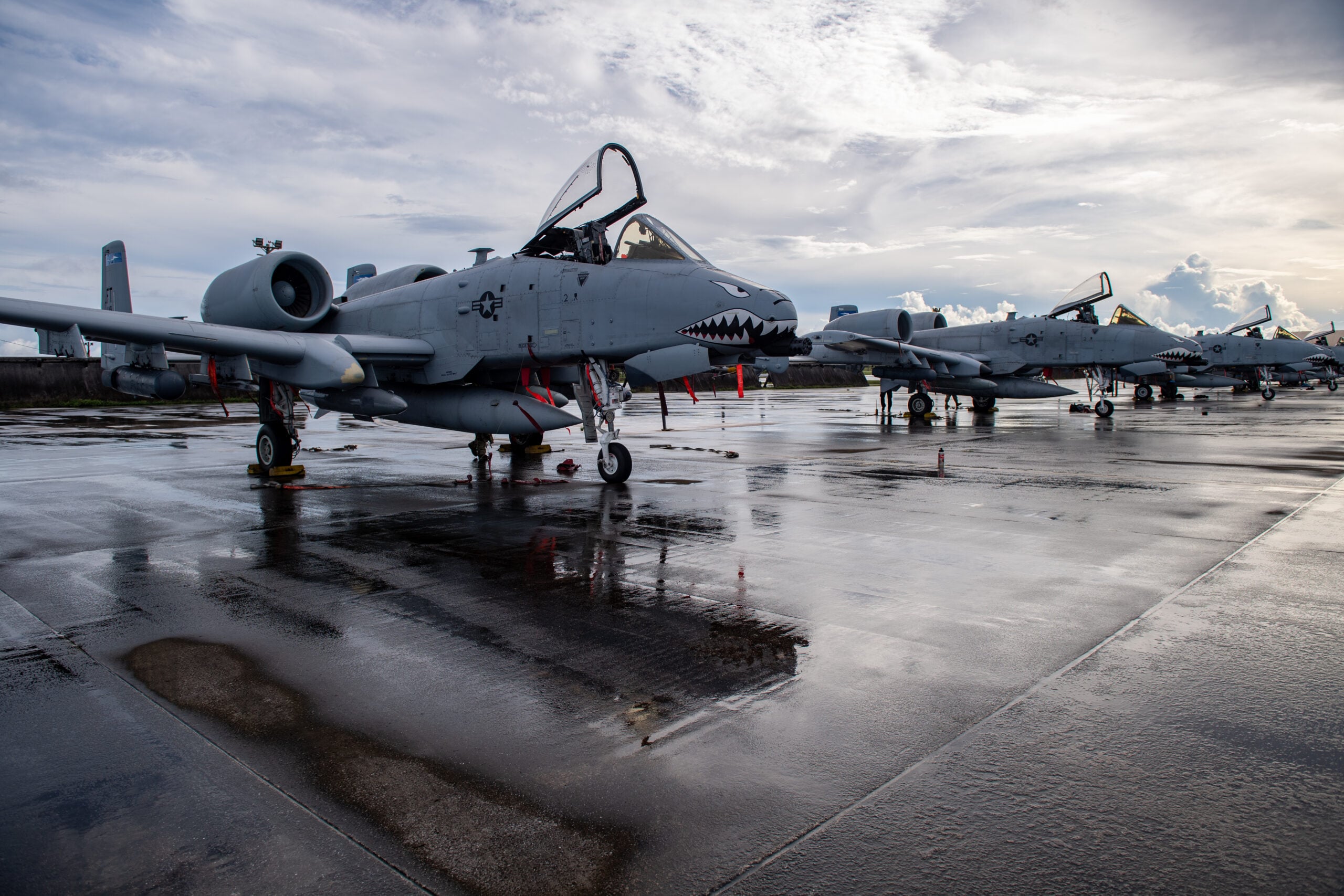
This shift mirrors the introduction of larger bombers into the fight. Together, these changes point to a gradual buildup of air superiority, followed by increased use of aircraft that deliver sustained firepower rather than stealth.
Moving Into Position
Many of these aircraft have passed through RAF Lakenheath on their way to the Middle East, supported by aerial refueling from tanker aircraft. The base has become a key transit point for U.S. forces entering the region.
#USAF United States Air Force – Coronet East
Boeing KC-135 Stratotanker 2x#AE038F 63-7996 – BORA 43#AE065D 60-0320 – BORA 44
Two KC-135s have departed RAF Mildenhall and Prestwick to collect what should be a further six A-10s – this time from the 190th Fighter Squadron… pic.twitter.com/3JRg9XoSO0
— Armchair Admiral 🇬🇧 (@ArmchairAdml) March 31, 2026
Once deployed, the A-10s join a broader force that includes bombers, fighters, and naval assets operating across the theater.