US Deploys B-52 Bombers Carrying JDAMs Over Iran
In the early weeks of Operation Epic Fury, stealth aircraft carried much of the burden. The B-2 Spirit led long-range strikes, while fighters suppressed air defenses. As those defenses weakened, a new phase began.
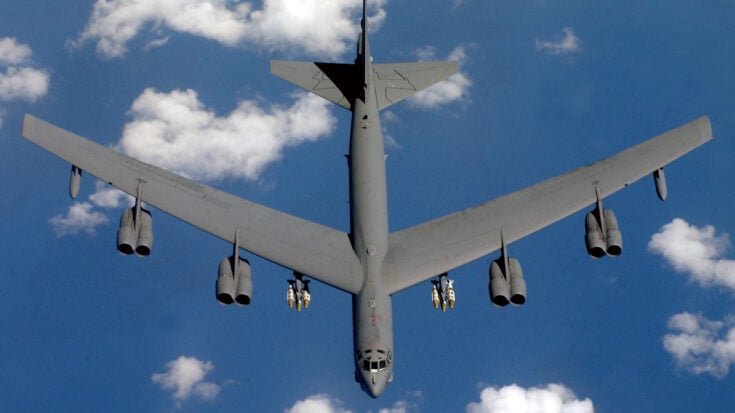
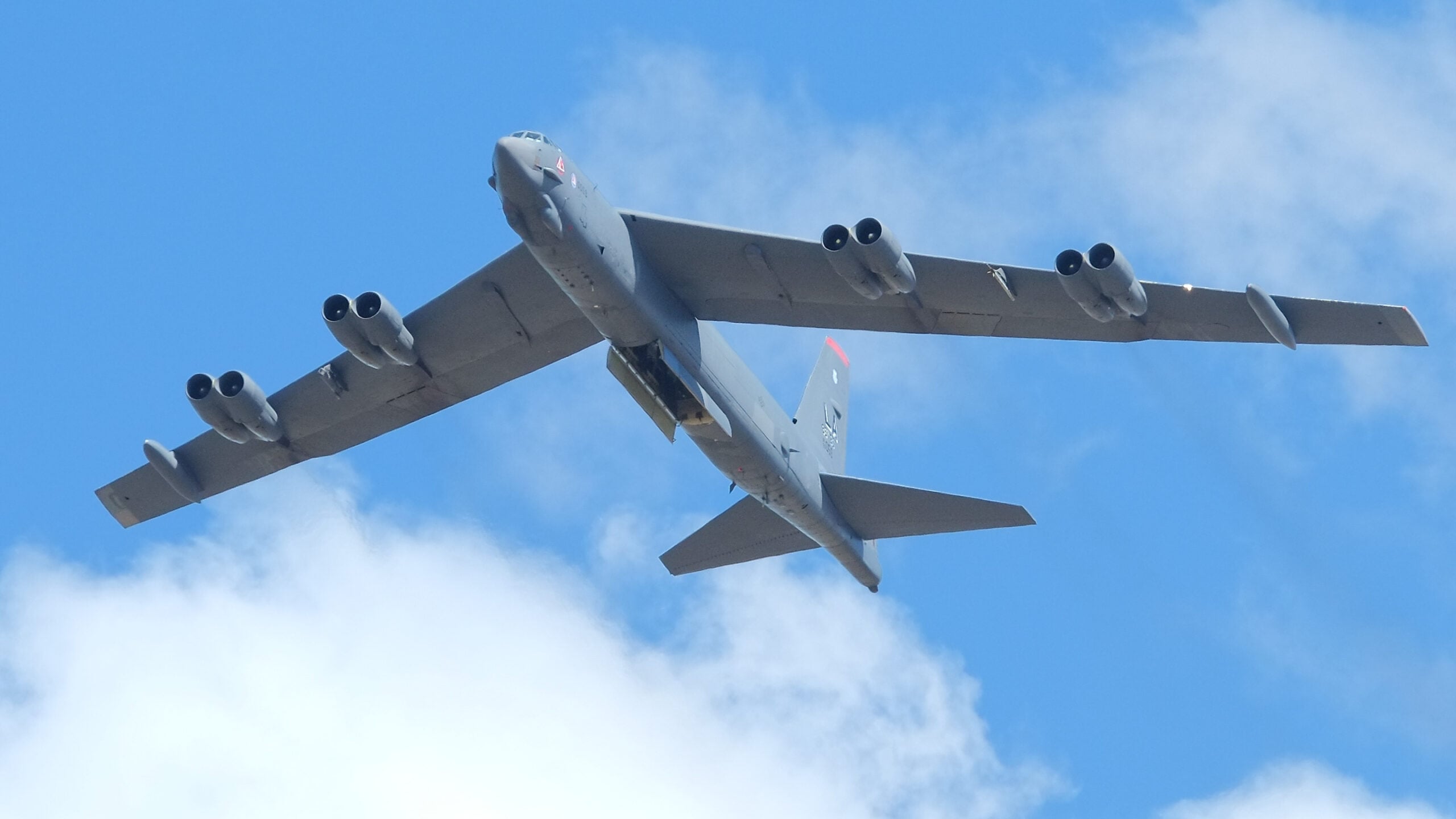
The B-52 Stratofortress started flying overland missions into Iran, carrying guided bombs instead of relying only on stand-off weapons. This marked a clear shift in confidence. Commanders assessed that enough control of the air had been achieved to send in large, non-stealth bombers.
View this post on Instagram
Why the B-52 Matters
The B-52’s value comes down to capacity and endurance. It can carry a large number of precision weapons such as Joint Direct Attack Munition kits and cruise missiles like the Joint Air-to-Surface Standoff Missile. This allows a single aircraft to strike multiple targets in one mission.
Bombers can also remain in the combat zone longer than most fighters. That makes them useful against mobile targets such as missile launchers that appear briefly before relocating. With improved targeting pods, even an aircraft designed in the 1950s continues to operate effectively in modern combat.
From Stealth to Volume
As air defenses declined, the mission focus expanded. Instead of only hitting fixed, high-value sites, U.S. forces began targeting more dynamic threats across the battlespace. The B-52 plays a key role here by delivering large volumes of guided munitions in a single sortie.
Other bombers contribute as well. The B-1B Lancer carries one of the largest payloads in the U.S. inventory, while the B-2 continues precision strikes against hardened targets. Together, they support a force of more than 200 fighter aircraft operating in the region.
Operating from Europe
Much of this bomber force is based at RAF Fairford, a long-established forward operating location for U.S. heavy bombers. Its runway and nearby storage facilities make it well suited for sustained operations.
Aircraft spotters have observed B-52s departing with visible bomb loads and returning without them, confirming their active role. While official details remain limited, the pattern points to steady, ongoing strike missions.
What It Signals
The use of B-52s over hostile territory reflects a measured progression in the campaign. Early reliance on stealth platforms reduced threats. Once those threats declined, larger bombers entered the fight to deliver sustained firepower.
The aircraft itself is decades old, yet its role continues to evolve.