A-10s Move East as Mission Demands Shift
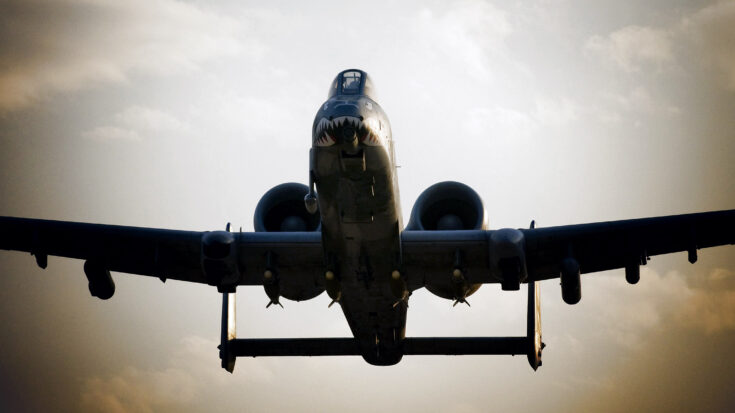
Twelve Fairchild Republic A-10 Thunderbolt II from the Michigan Air National Guard departed RAF Lakenheath on April 8, heading toward the United States Central Command area of responsibility. Their movement followed several days of delays tied to tanker coordination and diplomatic clearances, highlighting the logistical complexity behind even routine deployments.
#USAF United States Air Force – Coronet East
Boeing KC-135 Stratotanker 2x#AE0656 58-0102 – BORA 25#AE0486 62-3542 – BORA 35
+ TABOR 71-76 6x “MI” A-10s
+ TABOR 81-86 6x “MI” A-10sTwo KC-135s departed Glasgow Prestwick this morning on Coronet East 032, dragging 12x A-10… pic.twitter.com/AWqYgRlxei
— Armchair Admiral 🇬🇧 (@ArmchairAdml) April 8, 2026
The aircraft launched in two groups, supported by Boeing KC-135 Stratotanker tankers. For the A-10, aerial refueling remains a limiting factor. Its slower speed and lower operating altitude restrict compatibility with newer tankers, keeping the KC-135 essential for long range movement.
The Warthog’s Expanding Role
Initially used in a limited capacity, the A-10 has taken on a more active role as enemy air defenses have been reduced. In the early phase of Operation Epic Fury, the aircraft focused on precision strikes against militia targets using guided rockets and its 30 mm cannon.
As conditions shifted, the A-10 moved closer to contested areas. Its long loiter time made it effective for patrol missions, including overwatch in the Strait of Hormuz, where small fast attack craft remain a concern.