Ace of the Pacific: Richard Bong and the Deadliest Race in the Skies of 1944
YouTube/ Yarnhub
It is 1944, and the skies over New Guinea have become one of the most dangerous arenas of the Second World War. High above the jungles and airstrips of the Southwest Pacific, American fighter pilots clash daily with Japanese aircraft in brutal, fast-paced dogfights.
At the center of this aerial battlefield is Captain Richard “Dick” Bong, already the United States’ top ace and rapidly approaching aviation legend status. With 40 confirmed kills, Bong is locked in a fierce and unofficial rivalry- one that will turn deadly personal.
The Flying Circus
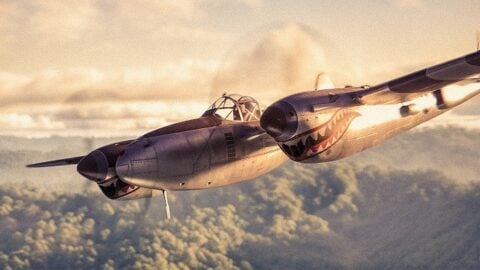
Bong flies with Major Thomas Lynch as part of an aggressive fighter group known informally as the “Flying Circus.” Their mission is simple but perilous: sweep enemy airspace, hunt Japanese aircraft, and dominate the skies. Bong’s P-38 Lightning, fast and heavily armed, suits his aggressive style perfectly. Alongside Lynch, he racks up victories with remarkable consistency, pushing the limits of endurance and skill with each mission.
Their success fuels an unspoken competition- the Ace Race. Both men are aware that Colonel Neel Kearby, another top American ace, is closing in on Eddie Rickenbacker’s World War I record of 26 aerial victories. The race is no longer just about survival or duty; it is about history.
The Ace Race Intensifies
As missions intensify, Bong and Lynch begin flying more aggressively, hunting Japanese aircraft over airfields and supply routes. Every engagement becomes a test of nerves. Bong’s confidence in the cockpit is unmatched, but the pressure mounts as each kill brings him closer to rewriting the record books. Kearby, equally skilled and determined, pushes his own limits. The rivalry is not fueled by jealousy, but by pride and the relentless pace of war. Each pilot knows that every sortie could be their last.
Tragedy in the Skies
The turning point comes during a fierce engagement over enemy territory. Kearby, pressing an attack, is shot down and killed. His death shocks the fighter community and abruptly ends the race. What had once been a competition now becomes a sobering reminder of the cost of aerial combat.
Soon after, Lynch’s aircraft is badly damaged in combat. He barely manages to escape, forcing Bong to confront the reality that even the most skilled pilots are not immune to fate. The war, once a proving ground, now feels deeply personal.
Bong’s Final Push
Despite exhaustion and emotional strain, Bong continues flying. In one of the war’s most intense dogfights, he engages multiple enemy aircraft, pushing his P-38 and himself to the limit. Against the odds, he prevails. With that victory, Bong surpasses all previous American aces, securing his place in history with 40 confirmed kills.
Legacy of a Legend
Bong’s triumph marks the end of the ace race but not the war. His achievement stands as a symbol of courage, skill, and sacrifice. Though celebrated as America’s greatest fighter ace, Bong carried the weight of every battle and every fallen comrade.
In the skies over New Guinea, amid fire and steel, Richard Bong did more than break records. He defined an era of aerial warfare where bravery and tragedy flew side by side.