On This Day in WWII (1944): U.S. Daylight Raid Hits Brunswick as Part of “Big Week” Air Campaign
See page for author, Public domain, via Wikimedia Commons
On January 30, 1944, the United States Army Air Forces Eighth Air Force sent heavy bombers over Brunswick, Germany, in a daylight raid aimed at weakening the German aircraft industry. This raid was part of a long campaign of Allied air attacks that targeted the factories and parts plants which helped keep German aviation in service. Though later famous as the period known as “Big Week,” which took place in February, this early raid in late January showed how Allied planners were pressing steadily on industrial targets. Heavy bombers and their escorts faced clouds, anti-aircraft fire, and a mix of resistance as they pressed deep into enemy territory.
The Target and the Forces Involved
Brunswick was chosen because it housed several factories making parts for aircraft like the twin-engine fighters and other warplanes. Plants in and around the city assembled components such as fuselages and engine parts, and earlier raids had already hit these sites in January when weather permitted visual attacks over the target. These facilities were seen by American planners as central to German efforts to sustain its air force.
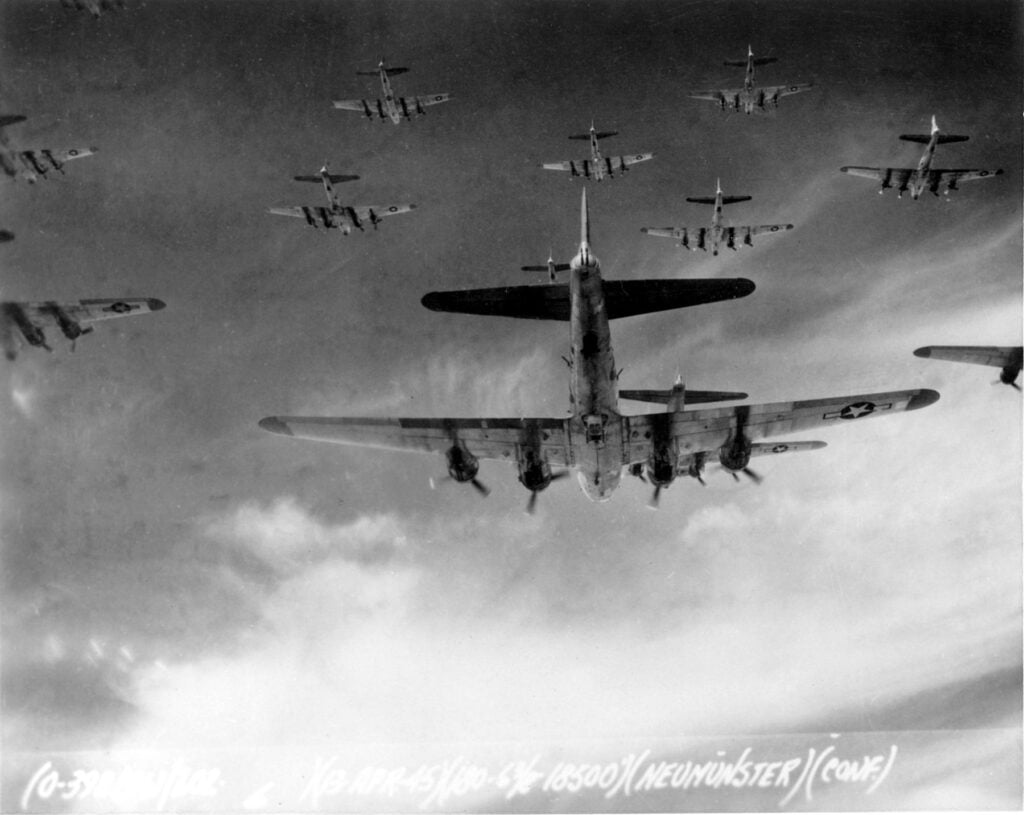
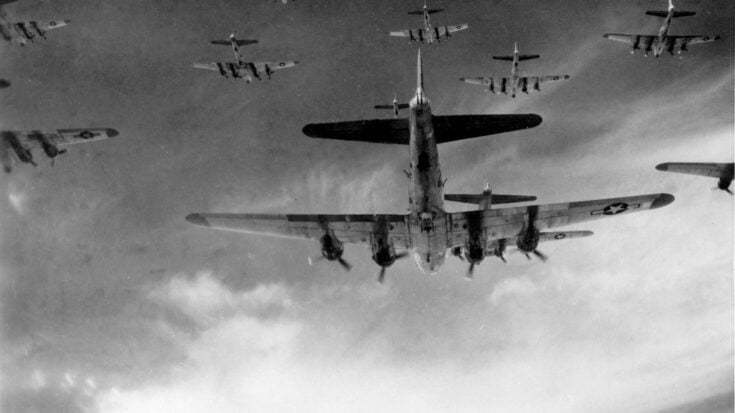
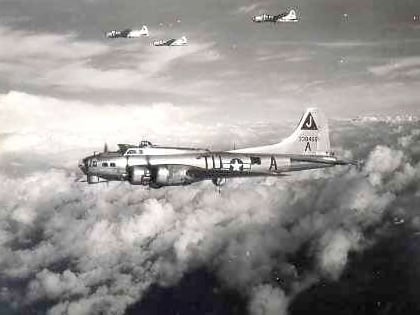
On January 30, the 351st Bomb Group and other units of the Eighth Air Force prepared for a mission over Brunswick from airfields in England. The group included Boeing B-17 Flying Fortress heavy bombers flying in large formations. To help protect them from enemy fighters, long-range escort fighters such as the Republic P-47 Thunderbolt, North American P-51 Mustang and Lockheed P-38 Lightning joined the force and stayed with the bombers as far as range and fuel allowed.
Weather and Conditions in the Air
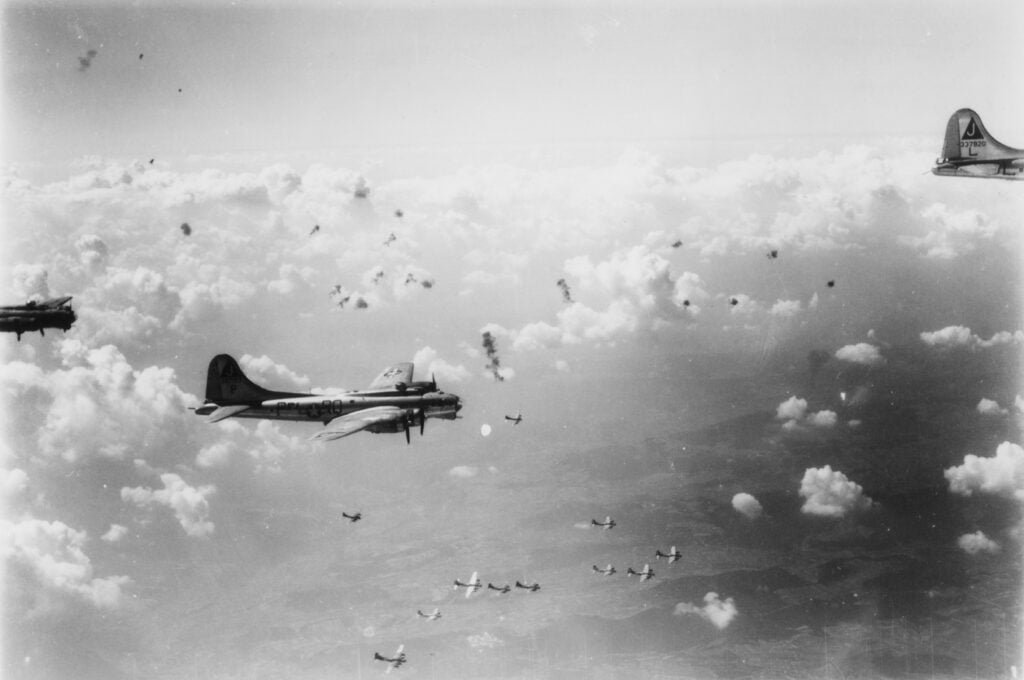
The crews took off early in the morning and climbed toward the planned altitude, hoping to reach the German border before encountering too much resistance. Weather conditions were mixed, with heavy cloud cover over the target area. Because of this, many crews were instructed to rely on radar bombing techniques rather than visual sighting of landmarks on the ground. Such radar bombing meant the bombardiers had to trust instruments instead of seeing the factories below.
This cloud cover made it hard for many of the bomber formations to see the ground directly. Fighters flying above and alongside the heavy bombers did their best to shield them, but the swirling clouds and occasional breaks in weather meant crews needed steady nerves and careful flying. Some formations later reported that the target was completely hiding under thick cloud cover, making it difficult to judge how effective the bomb drops would be.
Enemy Defenses and Opposition
As the bomber formations closed on Brunswick, anti-aircraft guns on the ground opened fire. Flak bursts rose into the sky in scattered bursts. Many bomber crews later described this fire as light or inaccurate, but even bursting shells could shake aircraft and keep men tense. On the return route home, some anti-aircraft defenses further back toward the European continent put up more accurate bursts, testing the skills of return crews.
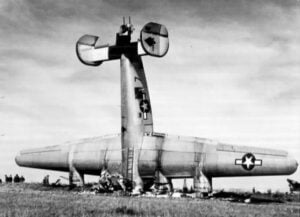
Enemy fighter aircraft did make a few passes at the bomber streams, though their numbers were limited on this mission. Escort fighters worked to keep any opposing aircraft away from the heavy bombers. One B-17 was reported to have been damaged and had to fall out of the formation because of engine trouble, showing how dangerous even small amounts of opposition could be far from friendly airfields.
Bombing and Immediate Results
When the bombs were dropped over Brunswick, many crews reported that thick clouds obscured their view of the factories below. Radar bombing was carried out by a number of the groups, letting instruments and pathfinder aircraft guide the bomb loads. Because visual confirmation was limited, the exact effects of the January 30 raid were hard to assess immediately after crews returned to England that afternoon.
Despite limited visual confirmation, the fact that such a mission was carried out at all showed how American air forces were extending their reach deeper into Germany. The combination of heavy bombers and long-range fighters made daylight attacks more practical than in earlier years. This escorted force helped shape future raids in the weeks to come, during the larger campaign that American and British air planners were building toward.
Brunswick in the Larger Air Campaign
The January 30 attack was one of a series of raids against Brunswick that began earlier in the month and would continue through February and later into the autumn of 1944. Allied planners saw the city’s manufacturing plants as recurring targets because of their role in producing aircraft parts and assemblies. Allied forces had already sent bombers over Brunswick on January 11, and other large raids would follow during the official “Big Week” in February and again in October, when air forces struck industrial and transportation targets in Germany with even larger formations.
“Big Week” itself, officially known as Operation Argument, was a planned series of concentrated attacks by the Eighth Air Force and Fifteenth Air Force flying by day and by British air forces at night. Over several days in February, Allied aircraft flew thousands of sorties against aircraft manufacturing, engines, and other war materials across multiple German cities. This effort was designed to reduce the ability of German air forces to defend against Allied air attacks over Europe.