The Ugly Truth: Cannons Better Than .50 Cal?
YouTube / Military Aviation History
The question surfaces constantly in WWII aviation discussions: which was better, the American .50 caliber machine gun or the German 20mm cannon? The honest answer is that the question itself is the problem. Both choices made sense for the forces that used them, and understanding why requires looking at context rather than raw data.
Why the US Stayed With the .50 Cal
America standardized around the .50 caliber M2 Browning before the war and kept it through 1945 for reasons that had nothing to do with it being the theoretically optimal weapon. It was reliable, logistically simple, and used the same ammunition across nearly every US aircraft. When the US entered the war its pilots were facing German and Japanese fighters, not heavy bombers. Against those targets, six or eight .50 caliber guns firing simultaneously delivered enough destructive mass to be effective. The weapon worked for the mission.
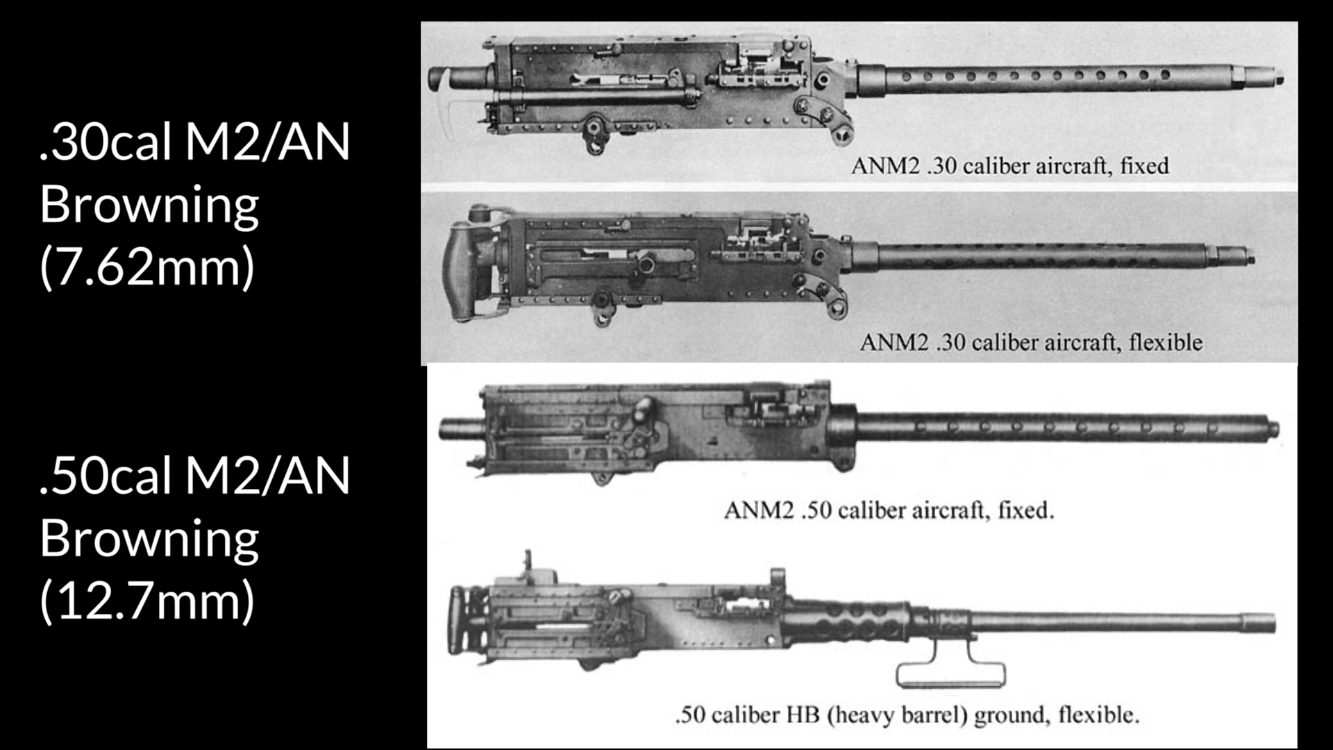
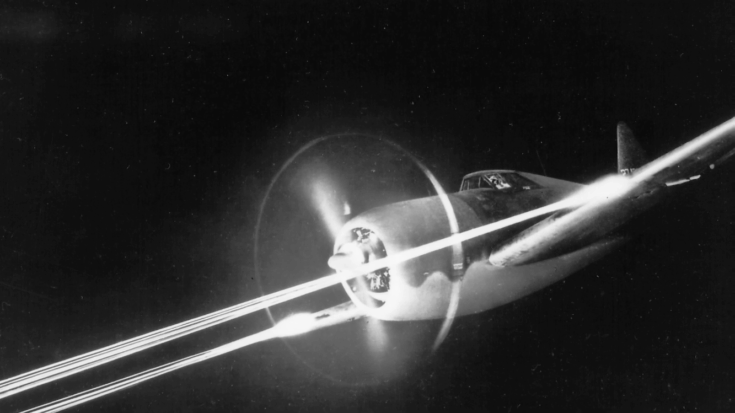
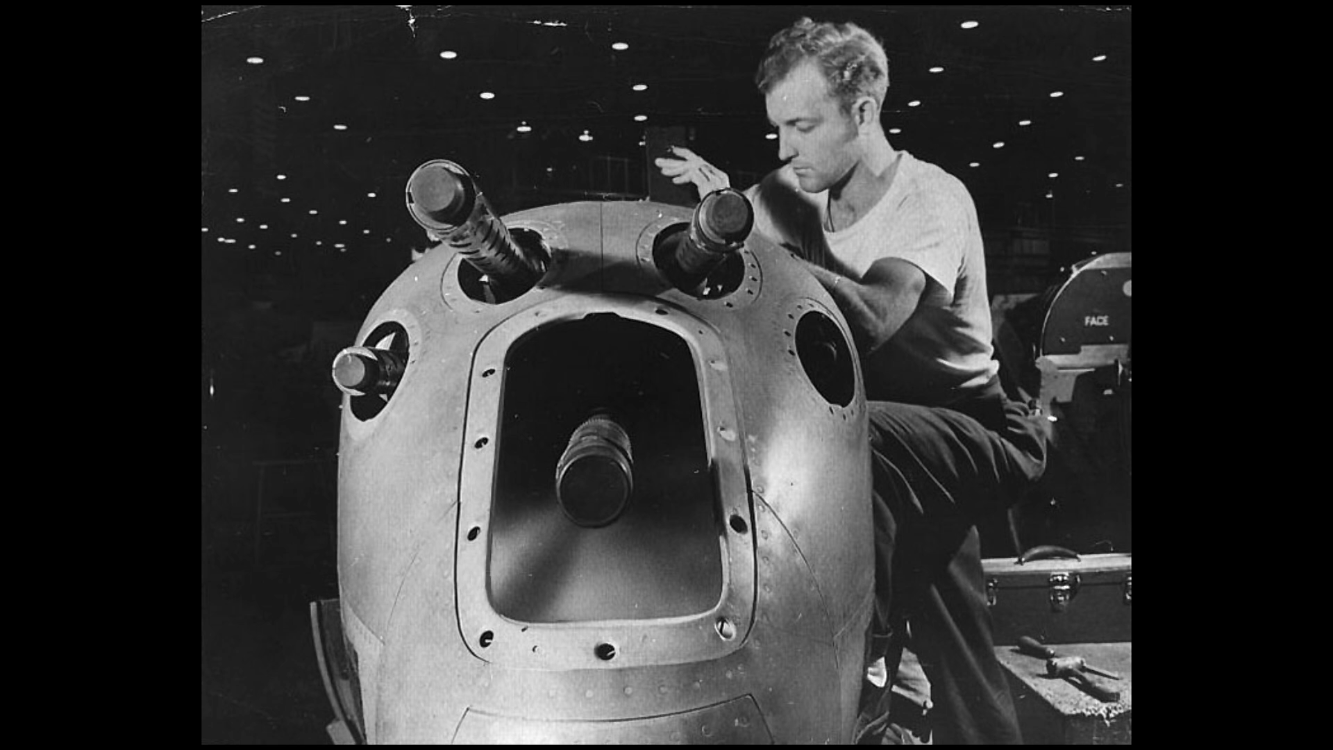
The key factor is weight of fire. No US fighter fired a single .50 cal. The P-51 carried six and the P-47 carried eight. Two or three .50 cals per German 20mm cannon changes the comparison entirely. Combined with good ammunition including armor-piercing and incendiary variants and an excellent muzzle velocity that aided accuracy, the .50 cal became what one analyst described as a sweet spot for the operational context the US operated in.
Why Germany Went to Cannons
German fighter designers faced a different problem. Weight was a constant constraint and the philosophy was to maximize destructive output per pound of weapon carried. A single MG FF weighed roughly the same as one .50 cal while firing a 20mm explosive round. The later MG 151/20 weighed less than two .50 cals while delivering considerably more destructive force per hit.
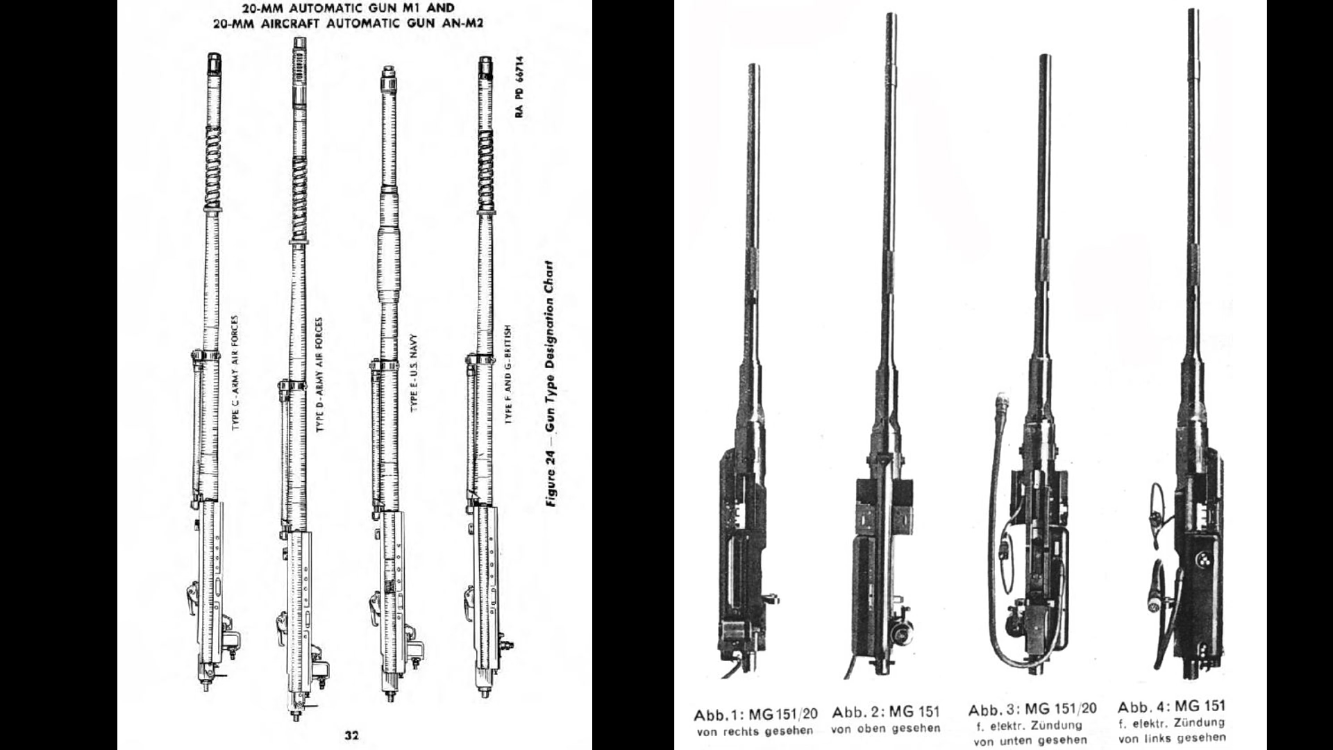
The mine shell round, the Minengeschoss, was central to this thinking. Packed with approximately 18 grams of high explosive filler and designed to partially penetrate an aircraft’s skin before detonating, a single hit from this round could shred control cables, destroy fuel systems, and structurally compromise an airframe. A few hits usually ended the engagement. That mattered because German pilots in the average dogfight got limited firing opportunities and needed each burst to count.
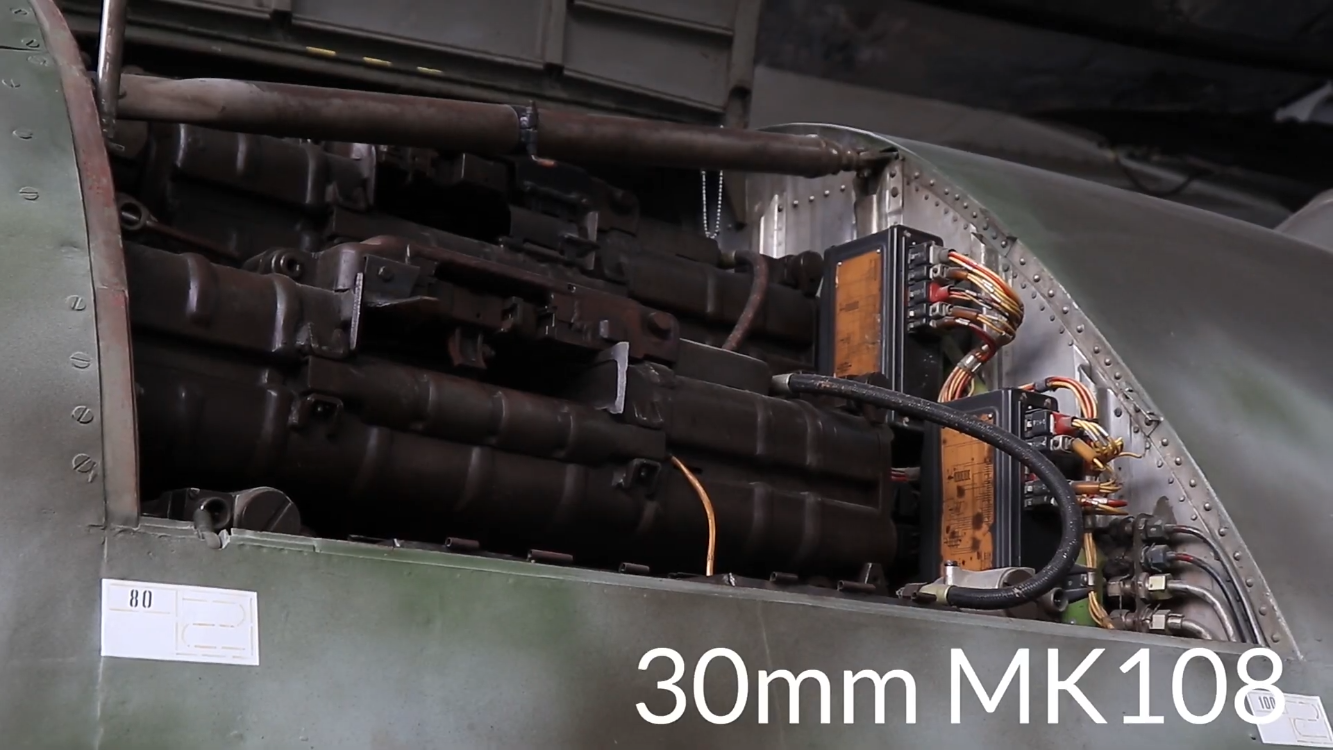
As the war progressed and the Luftwaffe increasingly faced American heavy bombers, the cannon philosophy became even more necessary. The .50 cal could bring down a B-17, but it required sustained accurate fire against specific vulnerable areas. A 30mm MK 108 with its mine shell could do the job in far fewer hits. The MK 108 weighed roughly twice a .50 cal while delivering firepower in an entirely different category against large aircraft.
Where the Comparison Breaks Down
Hard data comparisons between the two weapons almost always mislead because they strip out operational context. The .50 cal looks unimpressive on a power-to-weight chart. That chart does not show that US pilots fired six or eight of them simultaneously against targets that rarely exceeded a twin-engine bomber. The 20mm looks dominant until you account for the lower accuracy inherent in fewer guns and the ammo limitations of early drum-fed designs.
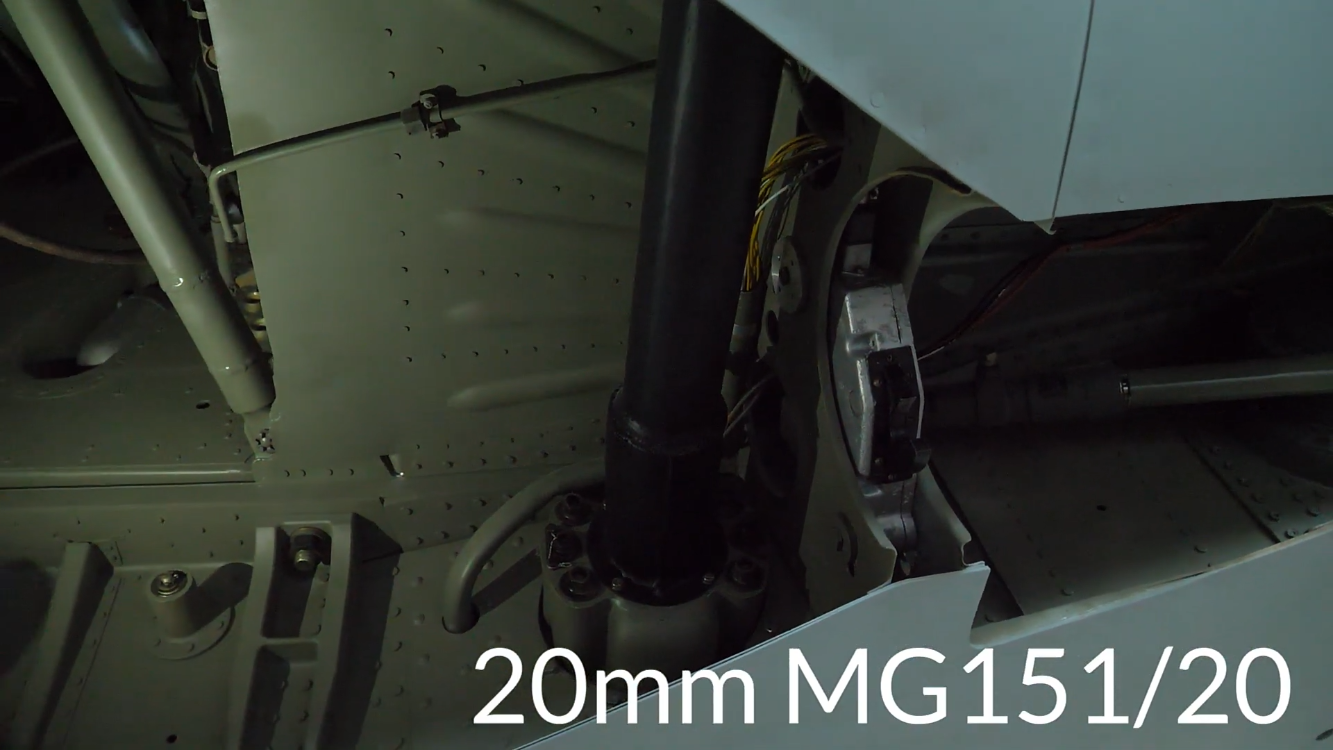
Average aerial gunnery accuracy in WWII was low across all air forces. The comparison between rounds fired and confirmed kills versus claimed kills makes this painfully clear. More guns with lower individual destructive power versus fewer guns with higher destructive power per hit are genuinely different solutions to the same problem of a pilot getting one brief firing opportunity against a small fast target.
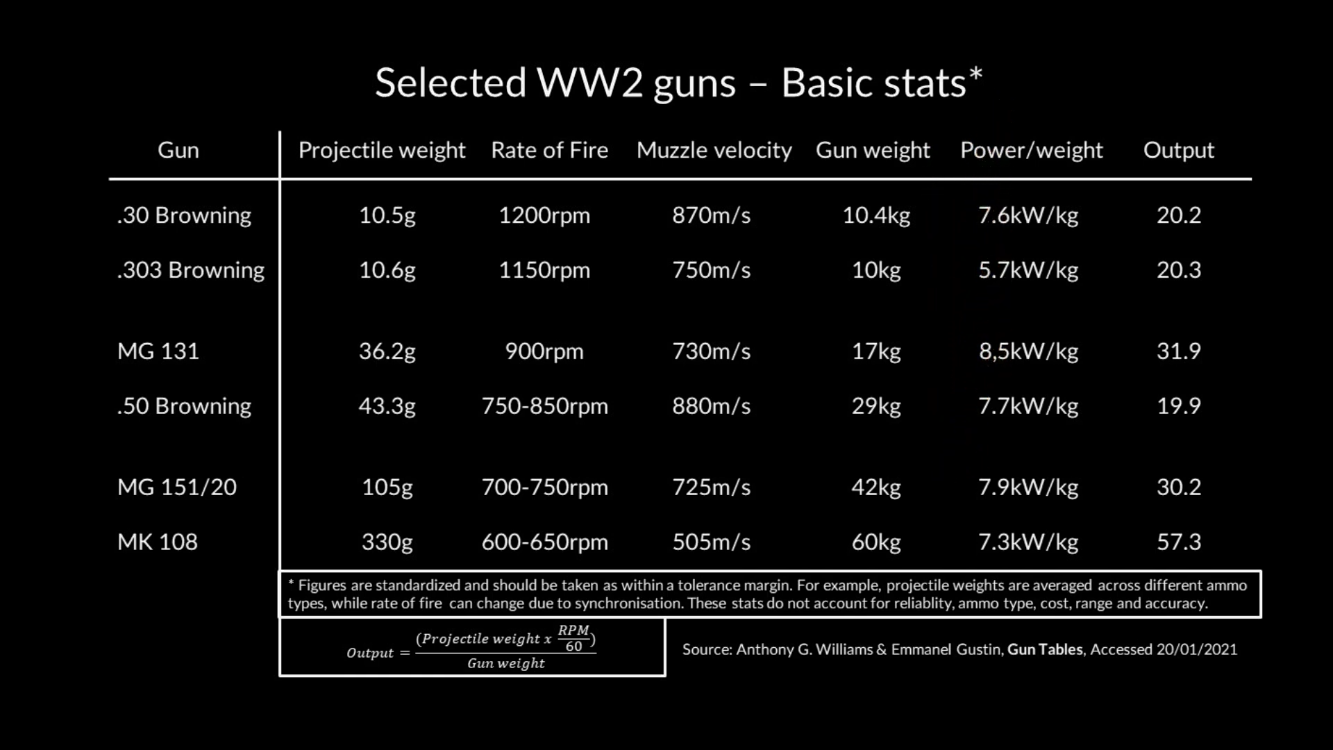
Both sides made reasonable choices. By the end of the war the US was already investigating a switch to cannon armament, recognizing that the same logic the Germans applied in 1940 had become increasingly valid as aircraft speeds increased and firing windows shortened. The Korean War accelerated that transition but did not begin it. The .50 cal was excellent for what the US needed it to do in 1942 through 1945. It simply was not designed for the targets the Luftwaffe was assigned to destroy.