The Mission That Accidentally Gave America a Mitsubishi Zero
YouTube / Dark Skies
By mid-1942, the Mitsubishi A6M Zero had become one of Japan’s most feared weapons. It dominated early Pacific air battles with its long range, sharp turning ability, and experienced pilots behind the controls. American forces desperately wanted an intact Zero to study, but Japan had strict orders for pilots to destroy their aircraft before capture.
That opportunity finally arrived during Japan’s attack on Dutch Harbor in Alaska’s Aleutian Islands in June 1942.
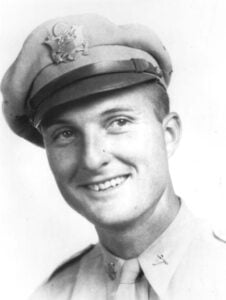
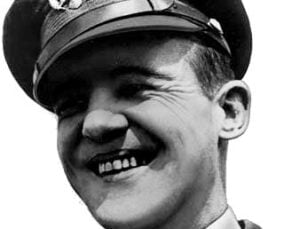
Petty Officer Tadayoshi Koga launched from the carrier Japanese aircraft carrier Ryūjō as part of the strike force targeting American positions. During the mission, his Zero was hit by ground fire that severed its oil line. With his engine failing, Koga had no choice but to attempt an emergency landing.
Japanese pilots had been briefed to land on nearby Akutan Island if they were damaged. From the air, Koga spotted what looked like a flat grassy field and lowered his landing gear.
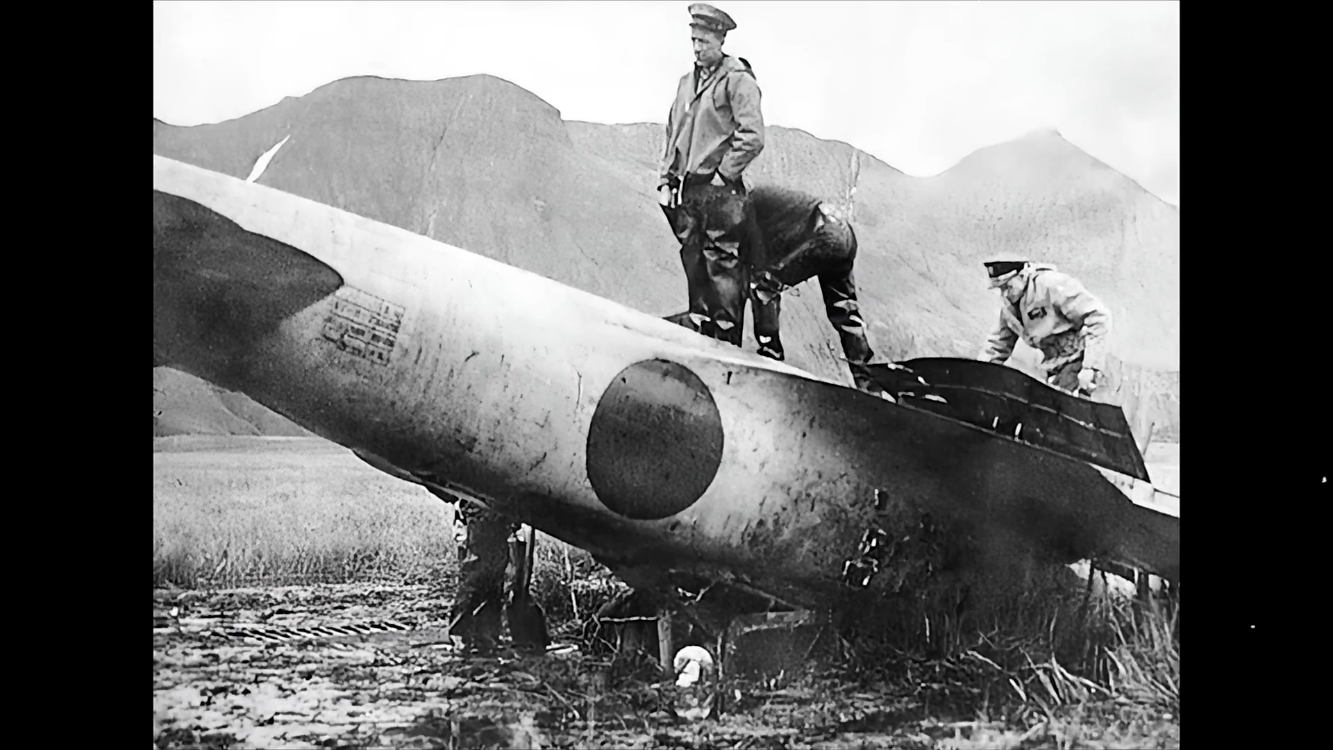
It was actually soft marshland.
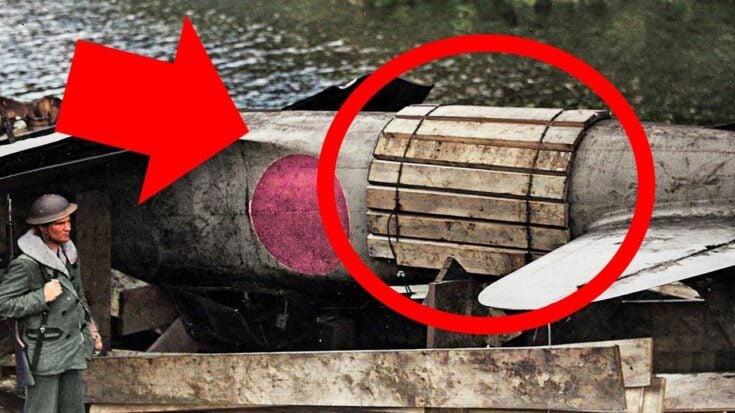
The moment the wheels touched down, the landing gear dug into the mud and the aircraft flipped violently onto its back. Koga was killed instantly, but his Mitsubishi A6M Zero remained remarkably intact.
Weeks later, a U.S. Navy Consolidated PBY Catalina crew from Patrol Squadron 41 spotted the overturned fighter while flying over Akutan. On July 12, American personnel landed nearby and inspected the wreck.
What they found stunned them.
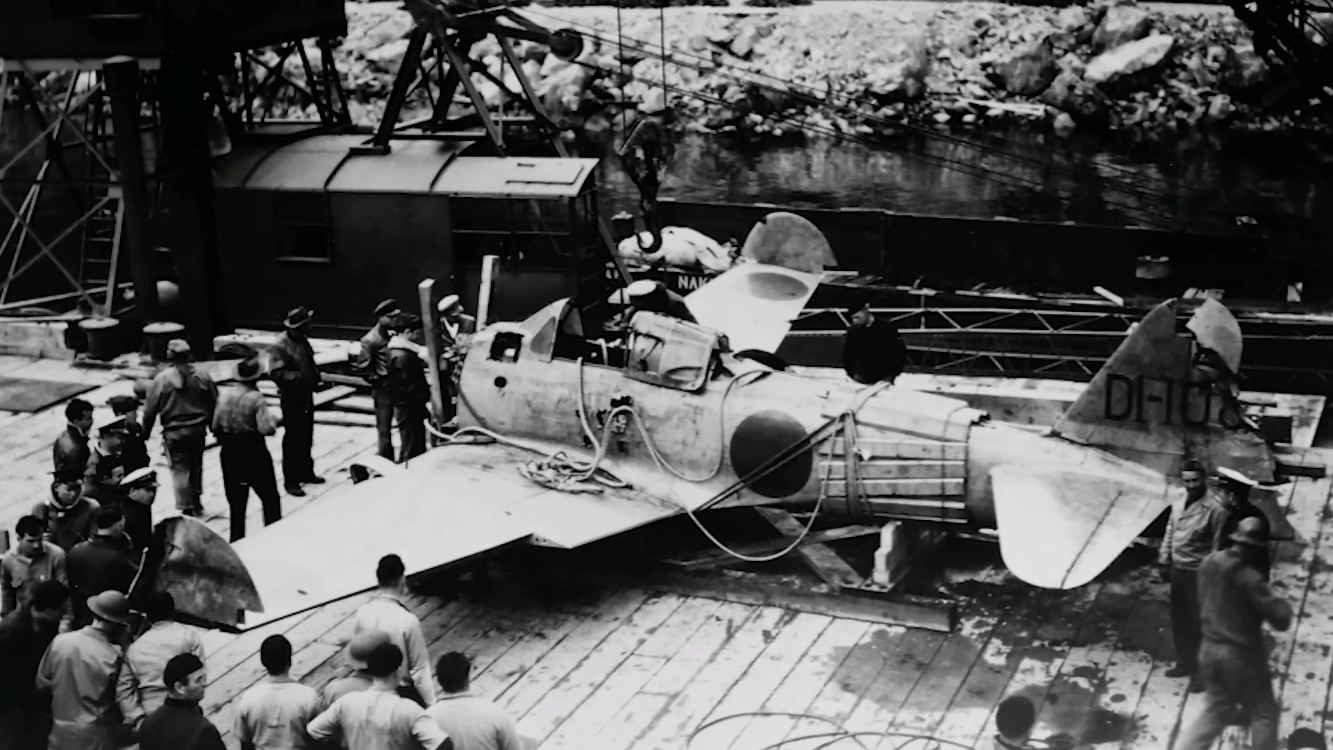
The aircraft was largely undamaged and recoverable. U.S. crews carefully salvaged the fighter and shipped it to Naval Air Station North Island for repairs and testing.
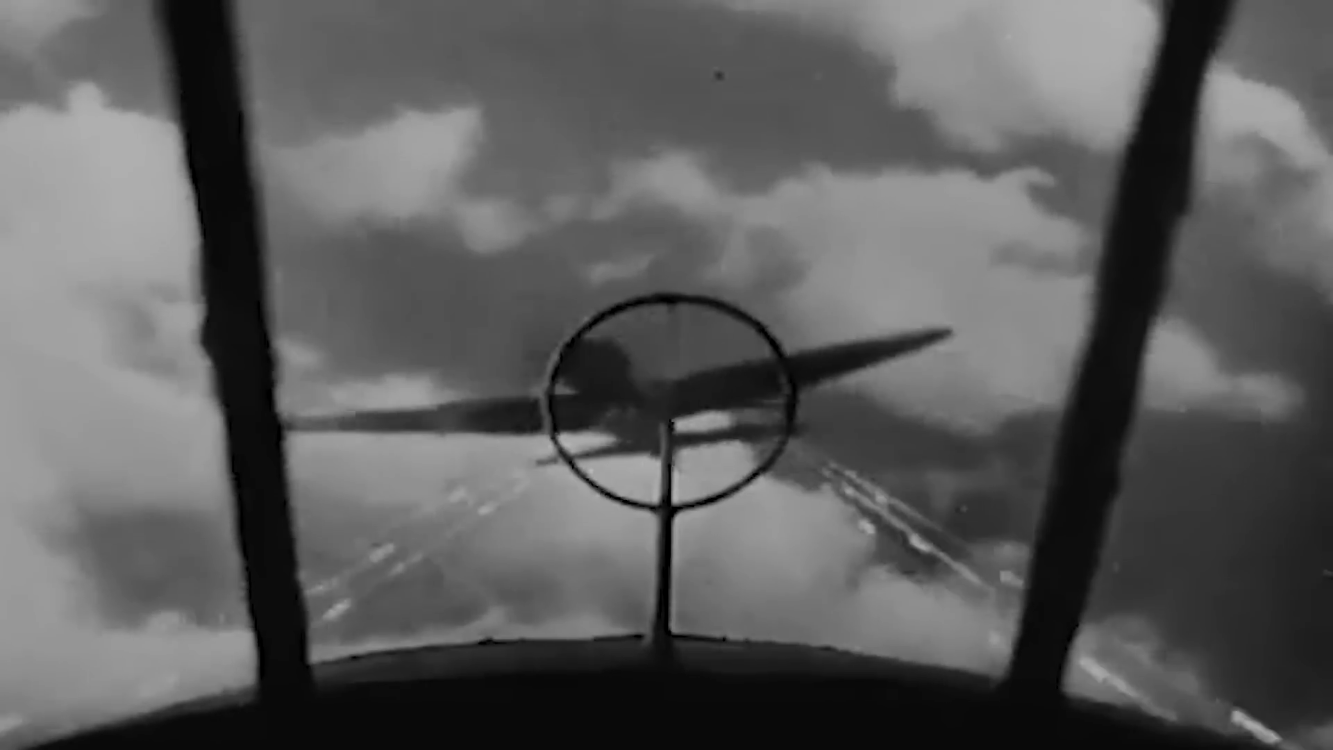
Once restored to flying condition, American test pilots pushed the Zero through extensive evaluations. They discovered that while the aircraft was incredibly agile at low speeds, its controls stiffened badly in high-speed dives. It was also lightly armored and highly vulnerable to gunfire.
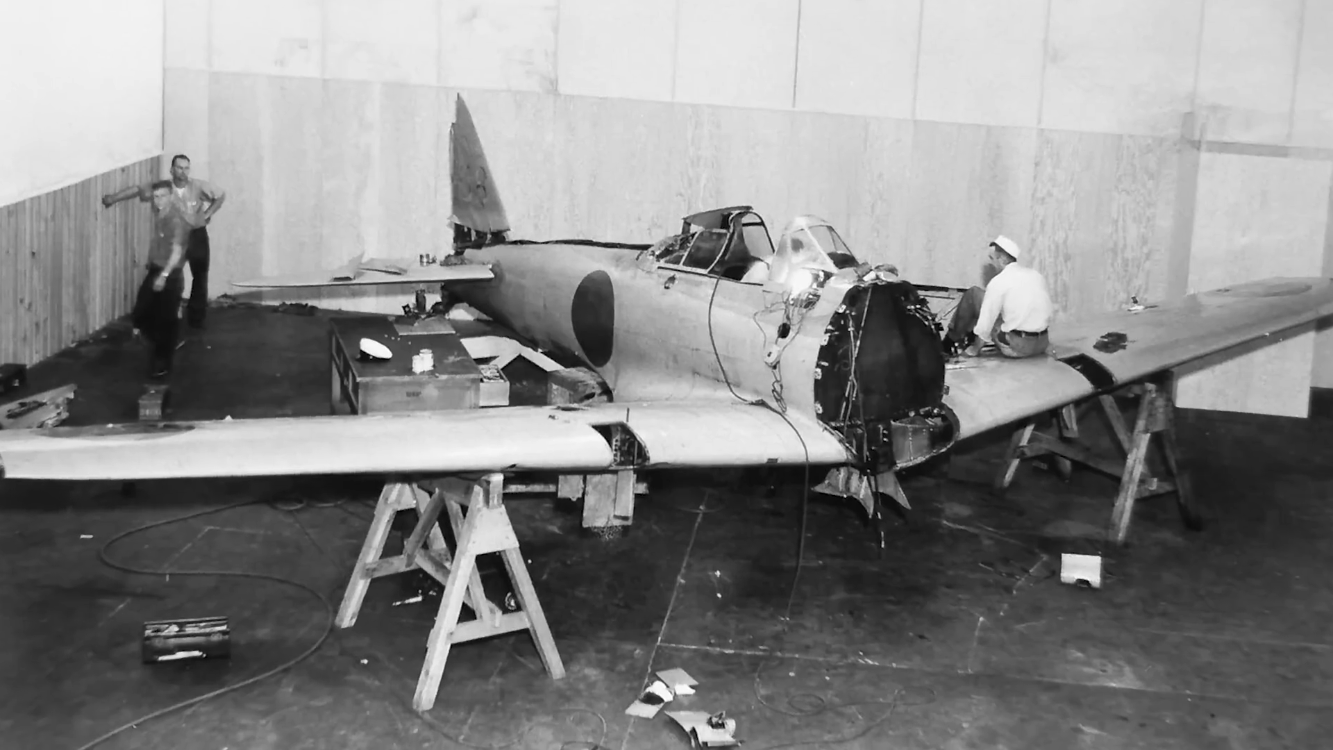
Those findings changed Allied tactics across the Pacific.
Pilots were ordered to avoid turning fights and instead use fast diving attacks against the Zero. Combined with newer fighters like the Grumman F6F Hellcat, the recovered Akutan Zero helped expose the weaknesses of Japan’s most feared fighter.