Chinook Lands Itself as U.S. Army Pushes Toward Autonomous Flight
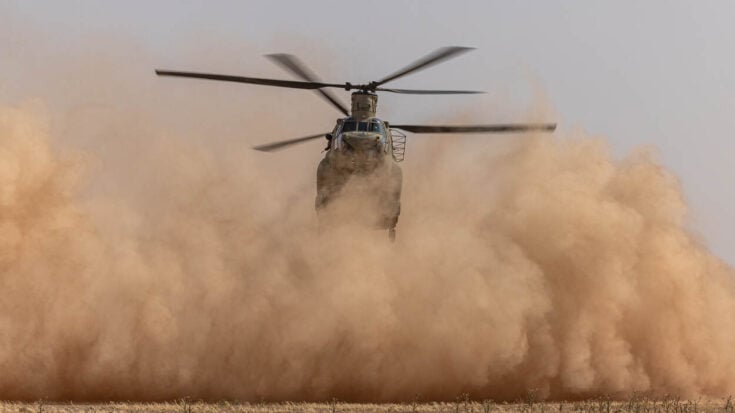
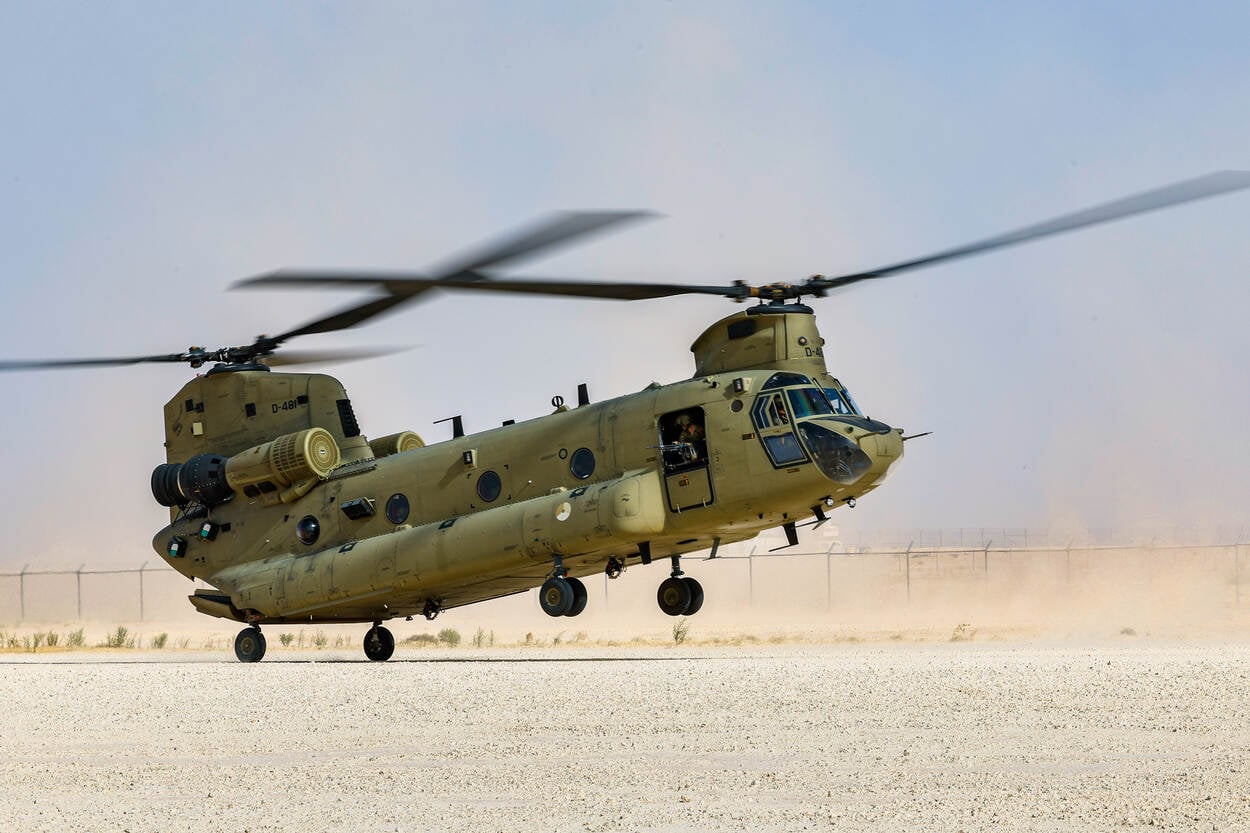
The CH-47F Chinook has completed a fully automated approach and landing, marking a significant step in the U.S. Army’s move toward greater aircraft autonomy. During recent flight tests, the helicopter touched down without pilot input, using Boeing’s Approach-to-X software.
This development focuses on one of the most demanding phases of flight. Approach and landing require constant adjustment, especially in tactical environments where visibility, terrain, and threats can change quickly.
How the System Works
The system allows pilots to define key parameters before the approach begins. These include landing zone, altitude, approach angle, and speed. Once set, the software guides the aircraft to the selected point, managing flight controls throughout the descent.
Pilots remain in the loop. They can adjust the flight path at any time if conditions change. The design reflects standard pilot techniques, allowing the automation to behave in a way that aligns with how crews already fly.
Test Results and Accuracy
Since early 2026, the system has completed more than 150 approaches. These ranged from low hover positions to full landings. Boeing reports an average final position error of less than five feet, indicating a high level of precision.
The test aircraft used updated flight control software integrated into the Chinook’s existing systems. The goal is not to remove pilots, but to reduce workload during critical moments.
Reducing Workload in Combat Conditions
In operational settings, reducing pilot workload has direct effects. Crews can focus on navigation, threat detection, and coordination rather than constant control inputs.
This becomes especially important during night operations, degraded visibility, or confined landing zones. Automation provides consistency while still allowing human oversight.
Part of a Larger Shift
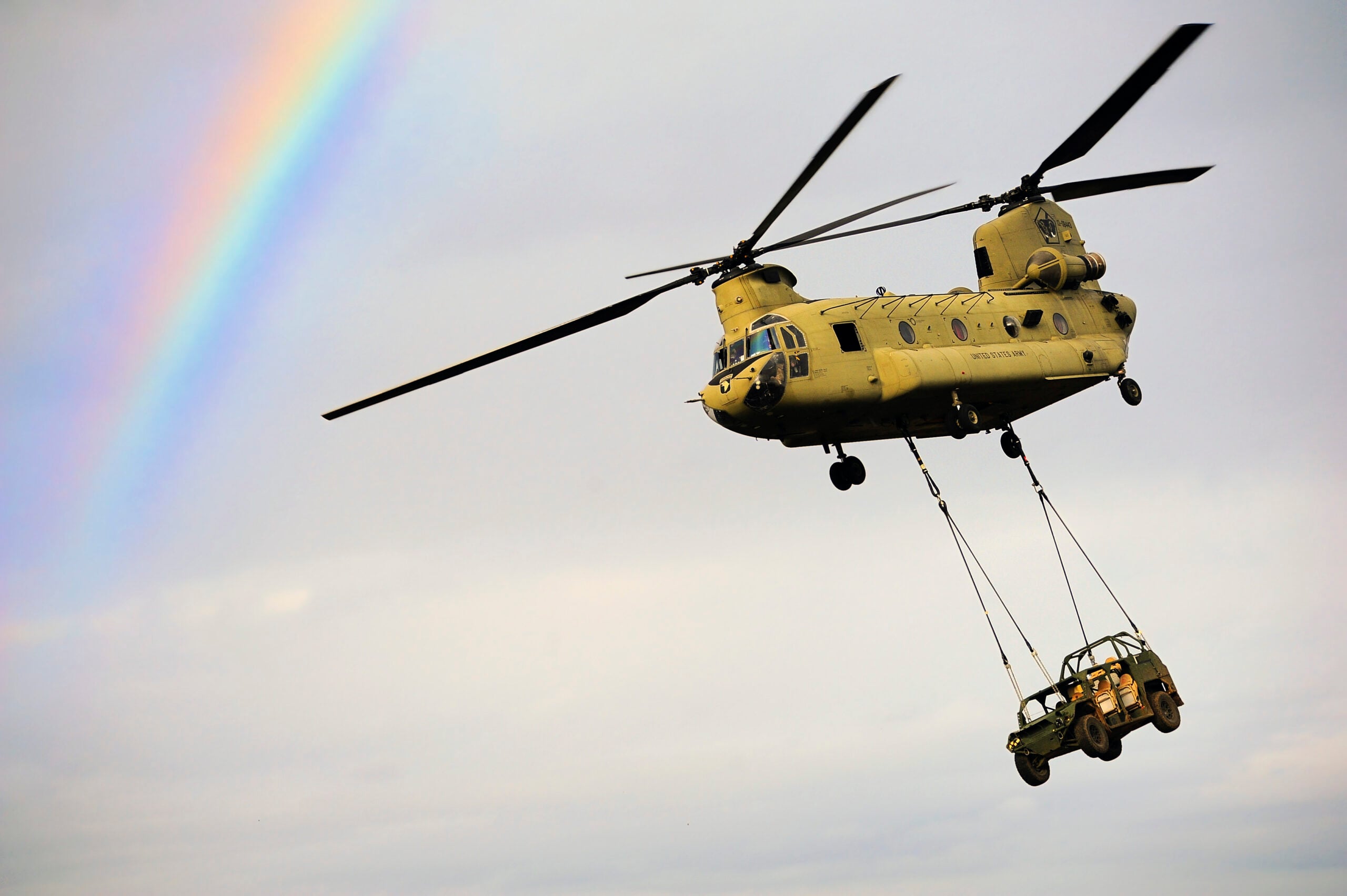
The Chinook test is one part of a broader effort across the Army. Similar work is underway on the UH-60 Black Hawk, including pilot-optional configurations. These programs aim to introduce “optionally crewed” aircraft that can operate with fewer personnel when required.
Future platforms, such as the MV-75 Cheyenne II, are expected to build on these concepts with integrated autonomy from the start.
What Comes Next
Further testing will refine the system before wider integration. The Army has not announced a timeline for operational deployment, but the direction is clear.
Automation is being added in stages, starting with high-workload tasks. The Chinook’s autonomous landing demonstrates how existing aircraft can evolve without a complete redesign.